Key Takeaways
-
Research shows 92% of massage therapy participants reported reduced pain, and the American College of Physicians now includes massage in clinical guidelines for low back pain alongside exercise and non-drug treatments.
-
Massage therapy addresses the root cause of musculoskeletal pain by releasing muscle tension and improving blood flow, while medications typically mask pain signals without treating underlying issues.
-
Different massage types target specific pain conditions: deep tissue for chronic muscle tension, sports massage for athletic recovery, prenatal massage for pregnancy discomfort, and trigger point therapy for muscle knots.
-
Massage provides lasting relief for days to weeks with minimal side effects, while medication works faster but has limited long-term benefits and potential risks like dependency, making an integrative approach combining both most effective.
-
Regular, consistent massage sessions (weekly during intense pain, or monthly for maintenance) produce better results than single sessions, similar to exercise benefits that build over time.
-
Maximize massage effectiveness by communicating pain details to your therapist, staying hydrated afterward, adding complementary techniques like cupping or Gua Sha, and pairing sessions with stretching and good posture habits.
If you’re dealing with nagging back pain, tight shoulders, or chronic muscle aches, you’ve probably wondered: should I take a pill or book a massage? It’s a question more people are asking in 2026. The good news is that research is giving us clearer answers — and they might surprise you. Massage for pain relief has moved from a luxury treat to a clinically recognized option that’s changing how people manage their discomfort every day.
In this article, we compare massage therapy and medication side by side. We’ll look at how each works, what the research says, and which approach might be right for your specific situation. Whether you’re a busy professional, an active athlete, a pregnant mom, or a senior dealing with arthritis, this guide will help you make a smarter choice for your body.
How Medication Works for Pain
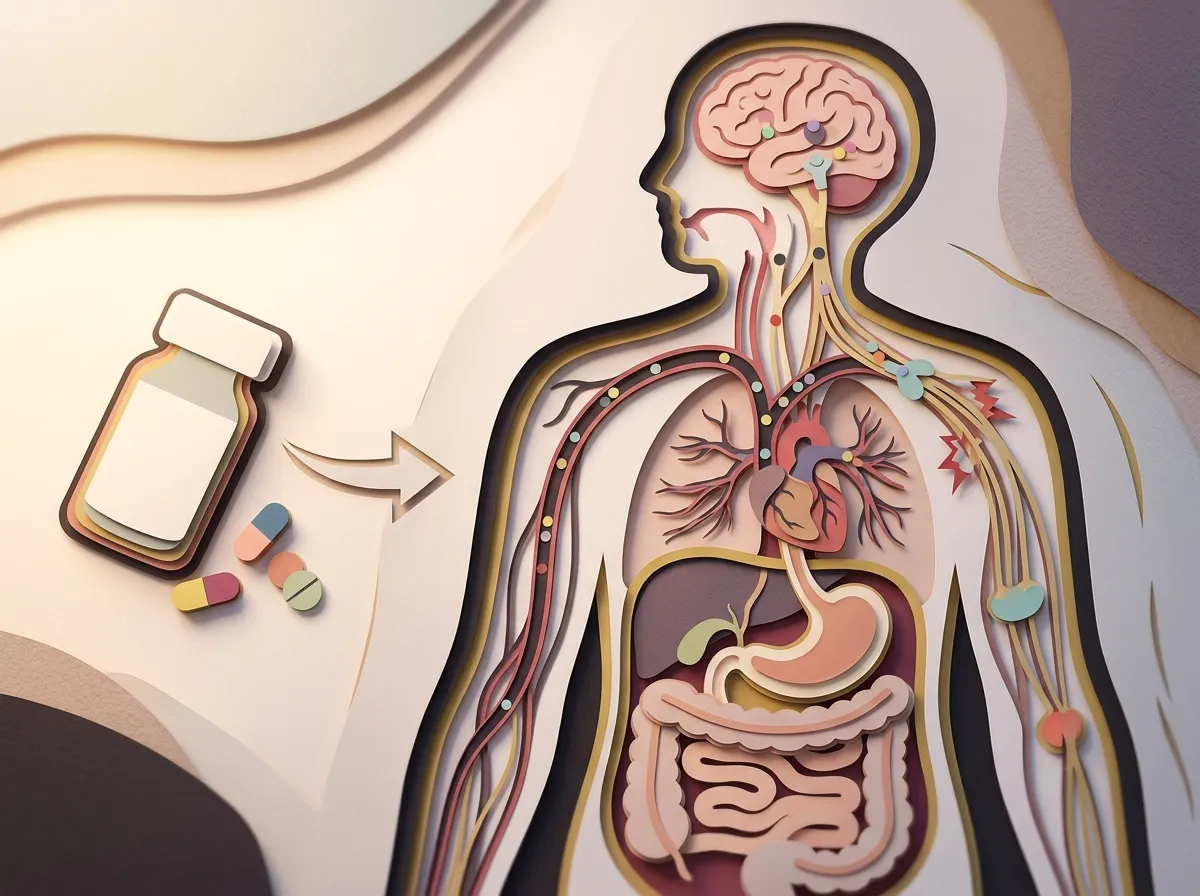
Pain medications work by blocking pain signals in your brain or reducing inflammation in your body. Over-the-counter options like ibuprofen and acetaminophen are easy to access. Prescription medications, including opioids, can provide stronger relief for severe pain.
Medication is fast. It works in minutes to hours. But it comes with trade-offs. Many pain medications can cause side effects like stomach issues, drowsiness, or dependency. Long-term use of opioids, in particular, became a national crisis — which is actually one reason why medical organizations began looking more seriously at alternatives like massage therapy.
How Massage Therapy Works for Pain
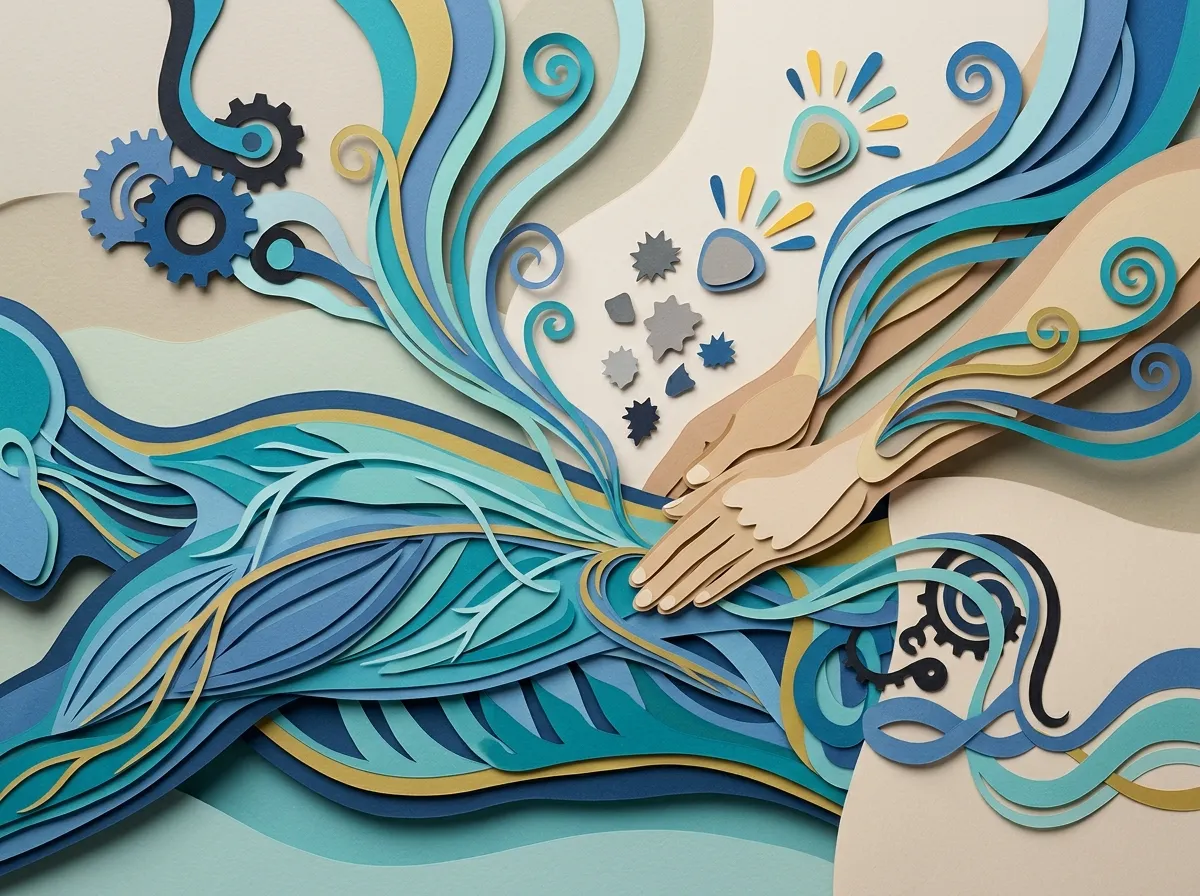
Massage therapy targets the physical root of pain in your muscles, connective tissue, and joints. A skilled therapist uses hands-on techniques to release tension, improve blood flow, and calm your nervous system. The result? Less pain, better mobility, and a greater sense of well-being.
Different types of massage serve different pain needs. Deep tissue massage reaches deeper muscle layers to break up knots and tension. Swedish massage uses gentler strokes to promote relaxation and ease surface-level tension. Sport massage targets overworked muscles in athletes. And prenatal massage safely addresses the unique discomforts of pregnancy.

What Does the Research Say?
The science behind massage for pain relief is growing stronger every year. A 2021 Baylor University study found that 92% of participants reported massage therapy effective for reducing pain. Meanwhile, 95% believed it benefits their overall health. That’s a remarkable level of satisfaction.
On a broader scale, researchers reviewed 17 systematic studies from 2018 to 2023. They found moderate-certainty evidence that massage reduces pain in seven conditions, including low back pain and myofascial pain. The American College of Physicians now includes massage therapy in its clinical guidelines for low back pain — putting it on the same recommendation list as exercise and other non-drug treatments.
In 2023, 54% of consumers used massage therapy specifically for chronic pain relief. That number tells you something important: real people, not just researchers, are finding results. You can explore more about what our clients experience by checking out our reviews.
Massage vs. Medication: A Side-by-Side Comparison
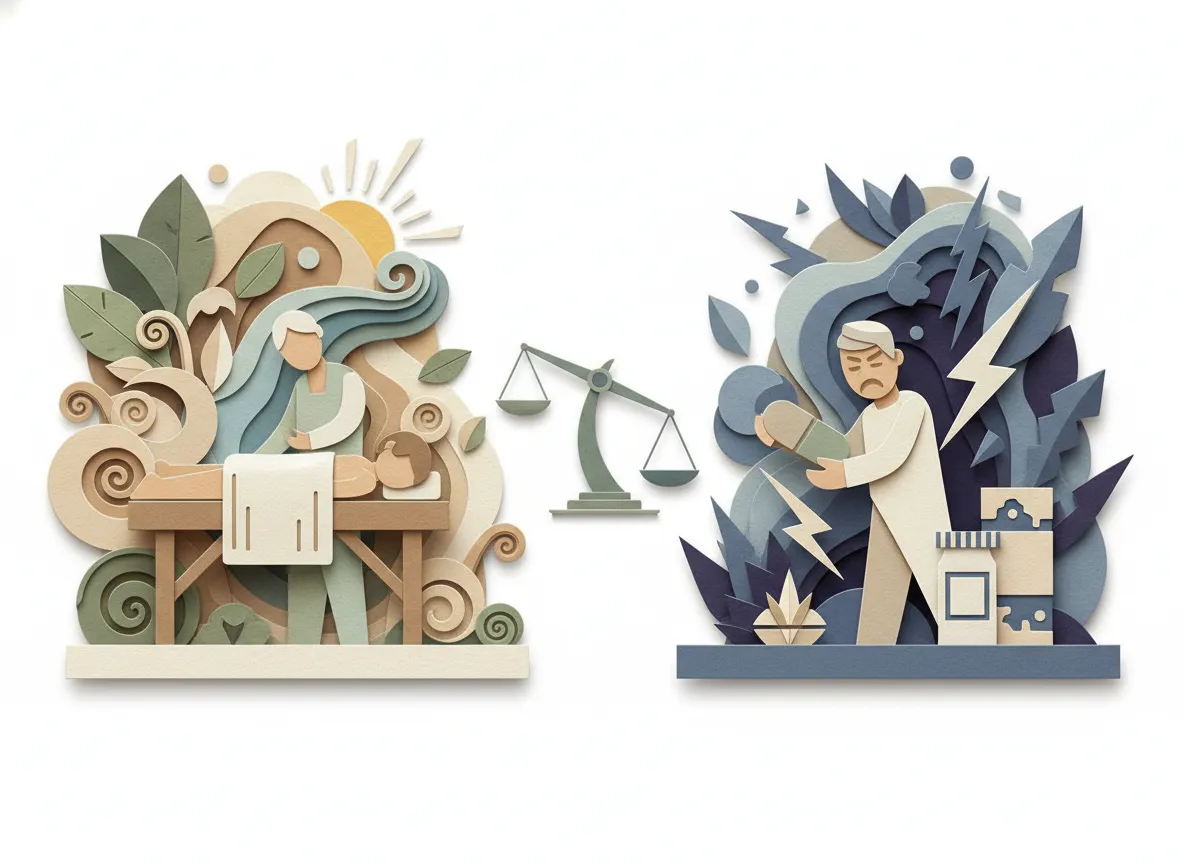
Let’s break down the key differences in a clear, easy-to-read format so you can see exactly how these two options stack up.
| Factor | Massage Therapy | Pain Medication |
|---|---|---|
| Speed of Relief | Within the session (30–90 min) | Within minutes to hours |
| Duration of Relief | Days to weeks with regular sessions | Hours to days |
| Side Effects | Minimal (temporary soreness) | Can include nausea, drowsiness, dependency |
| Addresses Root Cause | Yes — targets muscle tension and tissue | Often no — masks pain signals |
| Long-Term Benefits | Improves flexibility, reduces recurrence | Limited without addressing the cause |
| Accessibility | Requires appointment and travel | Available over the counter or by prescription |
| Cost | $125–$165 per session | Varies widely by medication type |
Which Types of Pain Respond Best to Massage?
Not all pain is the same. Some conditions respond exceptionally well to massage therapy. Here are the most common pain types where massage shines:
- Low back pain: One of the most well-researched conditions for massage. Multiple massage types work well for lower back pain.
- Neck and shoulder tension: Common in desk workers and busy professionals. Targeted shoulder massage techniques provide real relief.
- Myofascial pain: Caused by trigger points in muscles. Trigger point massage directly addresses these painful knots.
- Arthritis and joint pain: Gentle massage improves circulation and reduces stiffness. Massage can meaningfully reduce joint pain.
- Sports injuries and muscle soreness: Athletes benefit from sports massage to speed recovery.
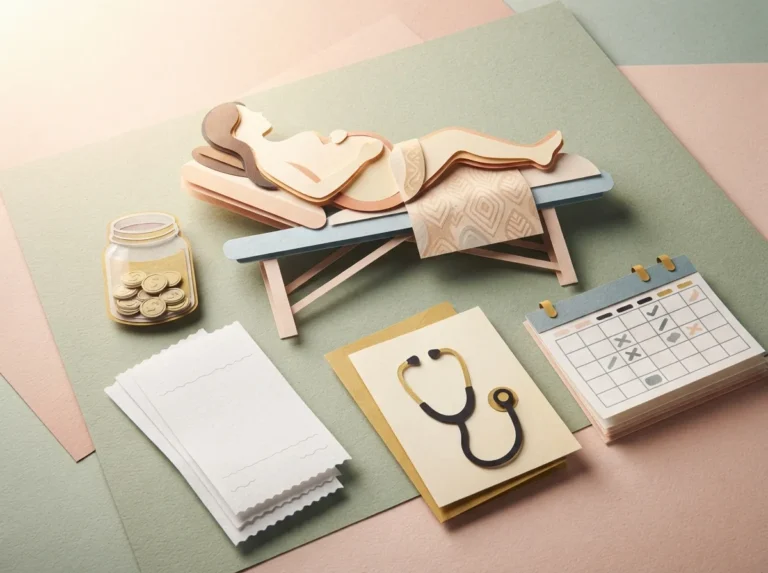
- Pregnancy-related discomfort: Prenatal massage safely eases back pain and leg cramps.
Specialized Massage Techniques for Pain in 2026
The massage therapy field is evolving fast. In 2026, therapists are using more specialized techniques to deliver better results for pain sufferers. Here’s a look at some of the most effective approaches available today:
| Technique | Best For | How It Works |
|---|---|---|
| Deep Tissue Massage | Chronic muscle pain, tension | Slow, firm strokes target deeper muscle layers |
| Trigger Point Therapy | Muscle knots, referred pain | Precise pressure on painful trigger points |
| Cupping (Add-On) | Inflammation, circulation issues | Suction cups lift tissue and release trapped tension |
| Gua Sha (Add-On) | Tight muscles, stress, fatigue | Scraping technique releases tension at the surface |
| Myofascial Release | Fascia restrictions, mobility | Gentle sustained pressure on connective tissue |
| Sports Massage | Athletic recovery, injury prevention | Targets overworked muscles with focused techniques |
At Luna Massage Studio in Falls Church, VA, our therapists are trained in many of these techniques. You can also explore powerful add-on treatments like Gua Sha and cupping to enhance your pain relief session. Check out our work and client experiences on Instagram.
When Medication Still Makes Sense
We want to be honest with you — medication absolutely has its place. Here are situations where medication remains the right call:
- Acute injuries with severe inflammation (first 24–48 hours)
- Post-surgical pain requiring controlled management
- Conditions caused by nerve damage or serious underlying illness
- Emergency pain that needs immediate relief
The smartest approach isn’t always choosing one or the other. Many people use both. Medication handles the immediate crisis, and massage therapy provides lasting recovery and prevention. Talk to your doctor about how integrative care might work for your situation.
Who Benefits Most from Massage for Pain Relief?
Massage therapy works for a wide range of people. Here’s how different groups typically experience the benefits:
- Busy Professionals: Hours at a desk create chronic neck and back tension. Regular massage prevents that pain from becoming a serious problem. It also reduces stress, which can amplify physical pain.
- Athletes and Active Adults: Sports massage speeds up recovery, reduces soreness, and helps prevent re-injury. The benefits for athletic recovery are well-documented and highly effective.
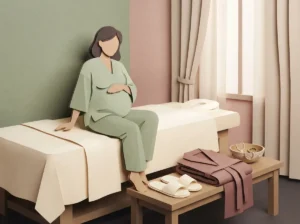
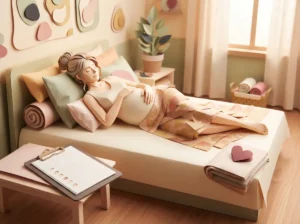
- Pregnant Women: Prenatal massage safely relieves back pain, leg cramps, and swelling — without any medication risks to mom or baby.
- Seniors with Chronic Pain: Gentle massage improves circulation, reduces arthritis stiffness, and enhances flexibility. It’s a safe, medication-free tool for daily pain management.
- Wellness-Focused Individuals: Regular massage sessions prevent pain before it starts and support overall health as part of a proactive self-care routine.
The Role of Reiki in Pain Management
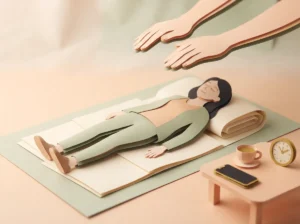
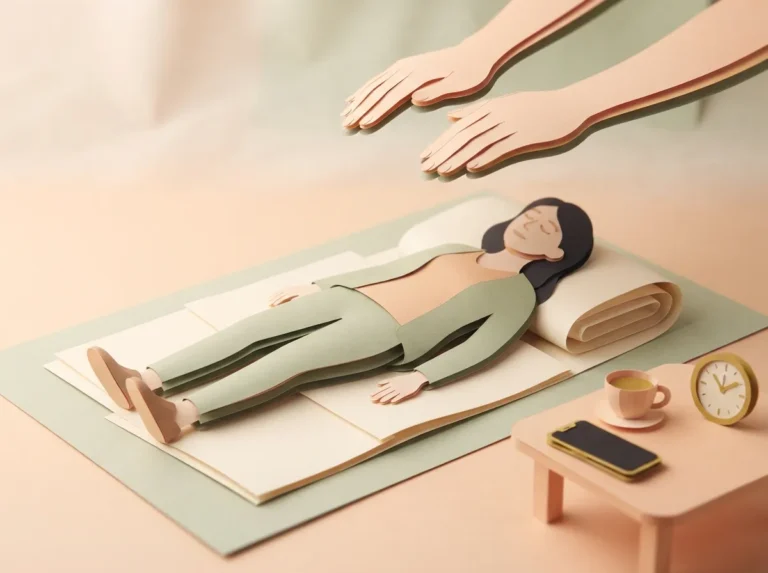
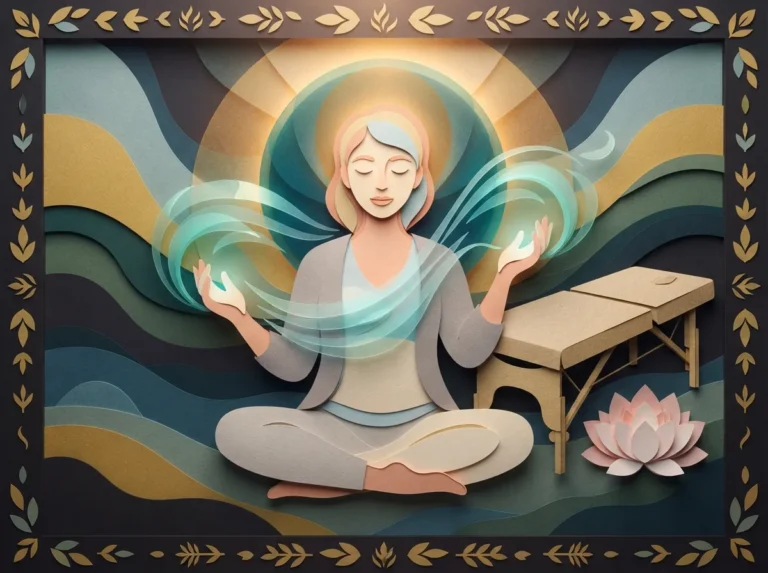
Beyond hands-on massage, Reiki healing offers a complementary approach to pain relief. Reiki Healing is a form of energy therapy that originated in Japan. It works by balancing the body’s energy flow, which can reduce stress and promote a natural healing response. Many clients find that Reiki helps with the emotional dimension of chronic pain — the anxiety and frustration that often come with it.
When combined with massage therapy, Reiki creates a deeply holistic experience. If you’re curious about this approach, explore how Reiki healing works in Virginia and what it could do for your wellness journey.
How to Get the Most from Your Pain Relief Sessions
Getting results from massage therapy isn’t just about showing up. Here are steps to maximize every session:
- Communicate clearly: Tell your therapist exactly where your pain is and how severe it is. The more detail you share, the better they can tailor your session.
- Stay consistent: One massage helps. Regular sessions create lasting change. Think of it like exercise — results build over time.
- Hydrate after your session: Drinking water helps flush out the metabolic byproducts released during massage, reducing post-session soreness.
- Try add-ons for extra relief: Options like cupping therapy or Gua Sha can enhance your results, especially for stubborn pain areas.
- Pair with other wellness habits: Stretching, good posture, and stress management all support the work your therapist does on the table.
Aromatherapy as a Pain-Enhancing Add-On
One simple and free upgrade to your massage experience is aromatherapy. At Luna Massage Studio, aromatherapy massage can be added to any session at no extra cost. Essential oils like lavender, eucalyptus, and peppermint have natural pain-relieving and anti-inflammatory properties. Combined with hands-on massage, they create a multi-sensory experience that deepens relaxation and enhances pain relief. It’s one of the easiest ways to level up your session.
Pricing at a Glance
Wondering what a pain-focused massage session costs? Here’s a quick breakdown of Luna Massage Studio’s current pricing:
| Service | 60 Min | 75 Min | 90 Min |
|---|---|---|---|
| Deep Tissue Massage | $125 | $145 | $165 |
| Swedish Massage | $125 | $145 | $165 |
| Sport Massage | $125 | $145 | $165 |
| Prenatal Massage | $125 | $145 | $165 |
| Reiki Healing | $125 (flat rate) | ||
| Gua Sha (Add-On) | $35 (15 min) | ||
| Cupping (Add-On) | $35 (15 min) | ||
| Aromatherapy (Add-On) | FREE with any massage | ||
These prices are competitive for the Falls Church and greater Northern Virginia area. And when you consider the long-term health benefits — reduced pain, better sleep, improved flexibility — a regular massage is an investment that pays off. You can also read what others say about their experience on Yelp.
The Verdict: Which Wins?
Here’s the honest answer: for chronic, recurring, or musculoskeletal pain, massage therapy often wins in the long run. It addresses the source of pain rather than just the symptoms. It has strong research support, minimal side effects, and lasting benefits. And it feels wonderful — which matters more than people give it credit for.
That said, medication isn’t the villain of this story. It’s a useful tool for acute situations. The smartest approach for most people is an integrative one: use medication when you need fast relief, and use massage therapy services for ongoing pain management and prevention.
If you’re ready to experience the difference for yourself, we’d love to welcome you. Visit us on Google to find our location, check our hours, and read what our community is saying. Then take the next step toward lasting relief — book your pain relief massage session today and let our expert therapists at Luna Massage Studio help you feel like yourself again.
FAQs
Q: How effective is massage therapy for chronic pain relief?
A: Really effective — and the research backs it up! A 2021 Baylor University study found that 92% of participants reported massage therapy reduced their pain. Moderate-certainty evidence from 17 systematic reviews also supports massage for conditions like low back pain and myofascial pain.
Q: What type of massage is best for pain relief?
A: It depends on your specific pain! Deep tissue massage is great for chronic muscle tension and knots, sports massage works wonders for athletic recovery, and Swedish massage eases general soreness and stress-related tension. Your therapist can help you figure out the best fit during your first visit.
Q: Can massage therapy replace pain medication?
A: For many types of chronic or musculoskeletal pain, massage therapy can significantly reduce your need for pain medication. However, for acute injuries or severe conditions, medication may still be necessary. We always recommend talking to your doctor about an integrative approach that combines both when needed.
Q: How often should I get a massage for pain management?
A: Most people see the best results with consistent sessions — typically once or twice a month for maintenance, or weekly during periods of intense pain. Your therapist will help you create a schedule that fits your body’s needs and your lifestyle.
Q: Are massage add-ons like cupping and Gua Sha good for pain relief?
A: Absolutely! Cupping uses gentle suction to release deep tension and improve circulation, while Gua Sha uses a scraping technique to release tightness at the surface level. Both are excellent additions to a regular massage session, especially if you have stubborn or recurring pain.