Key Takeaways
-
Massage for runners mainly helps with soreness and flexibility: a 2020 review of 29 studies found about a 13% reduction in DOMS, but no clear gains in strength, speed, or endurance.
-
Target the muscles that carry the most load, including calves and Achilles, quads, hamstrings, glutes and hips, and feet, rather than working randomly.
-
Time sessions around training: wait a day or two after a hard run if very sore, keep pre-race massage light, and avoid anything new or intense right before race day.
-
Aim for a 'good hurt' you can breathe through, rating pressure about 6-7 out of 10 at most; more pain does not produce better results.
-
Schedule by training load: casual runners may need only monthly sessions, while marathon trainees may book every two to four weeks during peak weeks.
-
Massage does not prevent injuries; see a healthcare professional for persistent or worsening pain, marked swelling, trouble bearing weight, or symptoms after a fall.
You finish a long run, grab some water, and feel great. Then the next morning hits. Your calves feel tight, your quads complain on the stairs, and your hips want a nap. Sound familiar? If you lace up often, you know that feeling well.
That is where massage for runners can step in. Many runners use massage to feel looser, calmer, and a little less sore after hard efforts. It is not magic, and it will not make you faster by itself. But it can be a pleasant, helpful part of a smart recovery plan.
In this friendly guide, we will share 10 practical tips for getting the most from massage for runners in 2026. You will learn what the research says, which muscles matter most, and how to time your sessions. We will also cover when to skip the massage table and see a healthcare professional instead. Let’s get you moving comfortably.
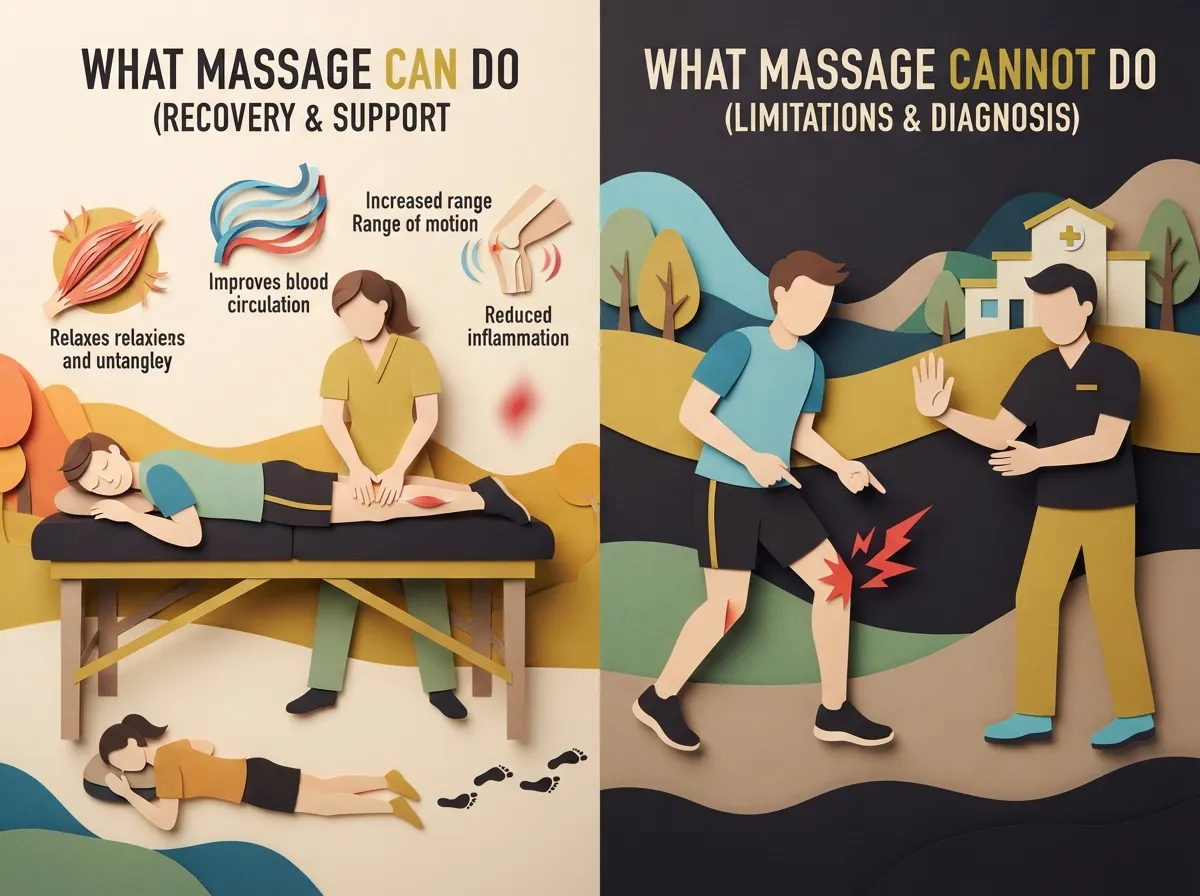
1. Know What Massage for Runners Can (and Cannot) Do
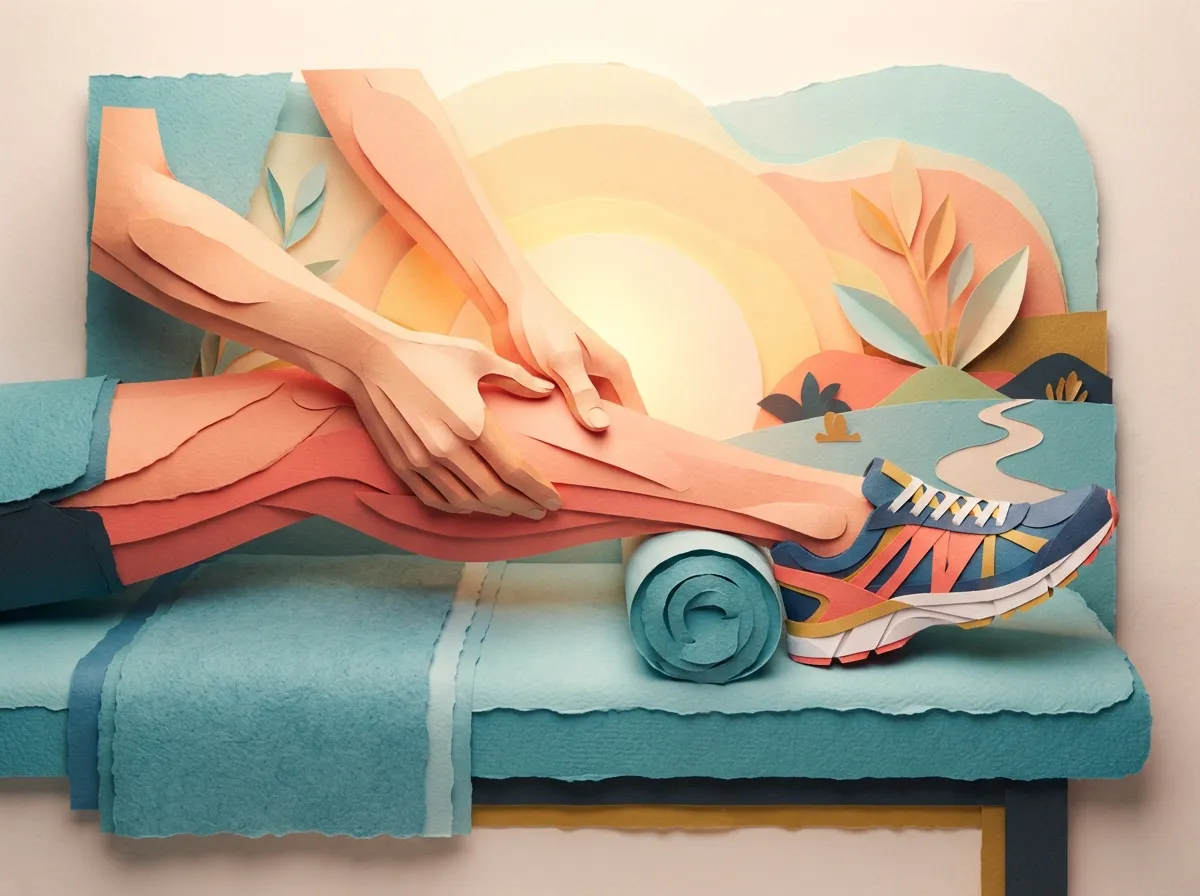
Let’s start with honest expectations. Massage for runners usually means sport or therapeutic massage that focuses on the muscles you use most. That includes your calves, quads, hamstrings, glutes, and feet.
A 2020 review in BMJ Open Sport & Exercise Medicine pooled 29 studies with 1,012 participants. It found small but real benefits for flexibility and delayed-onset muscle soreness (DOMS). The soreness result was about a 13% improvement, though the authors noted the true size is uncertain.
The same review found no clear boost to strength, jumping, sprinting, endurance, or fatigue. So think of massage as a comfort and recovery tool, not a speed booster. If you want to learn more about how it works for active people, read our guide on massage therapy for athletes and what works.
2. Target the Muscles Runners Use Most
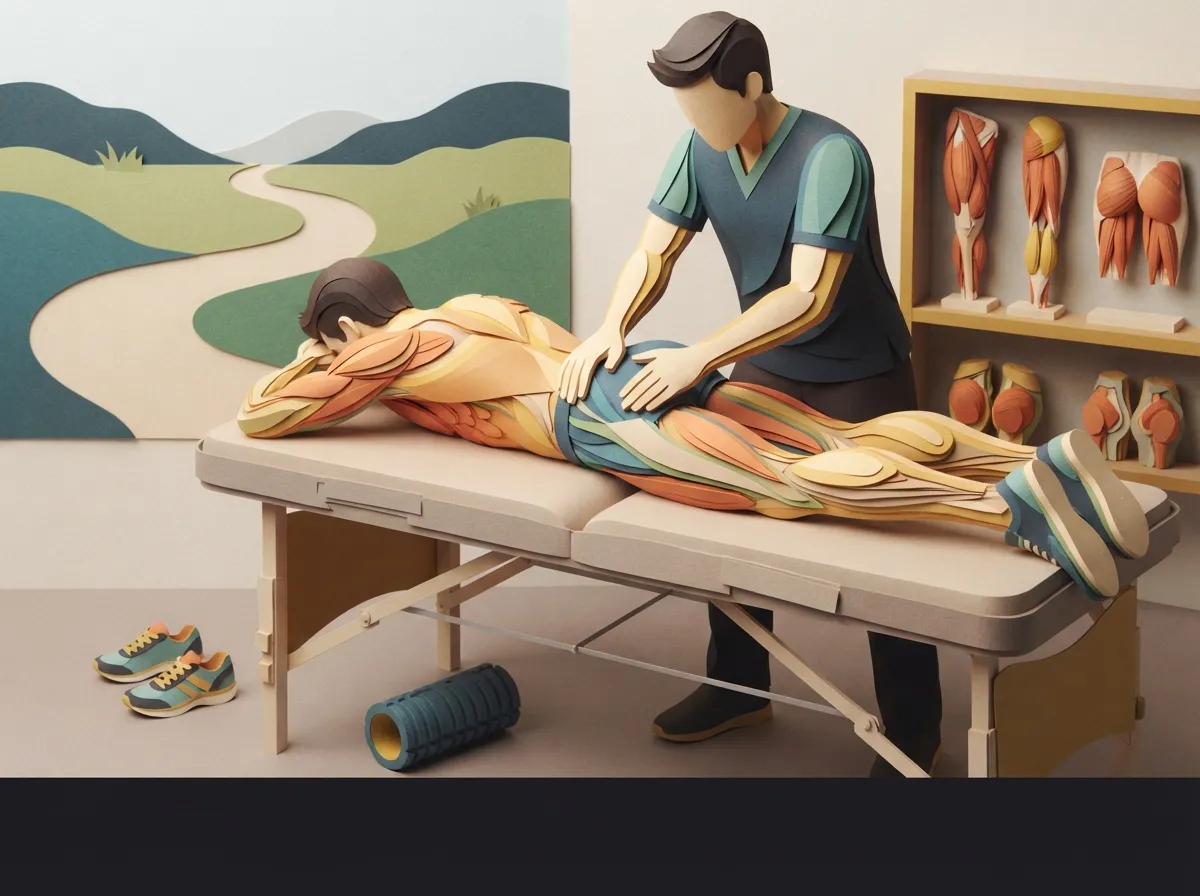
Every mile asks a lot of your lower body. A good therapist will focus on the areas that carry the load, while also listening to how you feel that day.
- Calves and Achilles area: These absorb impact with every stride.
- Quadriceps: They control your landing, especially on downhills.
- Hamstrings: They help power each push-off.
- Glutes and hips: They keep your pelvis steady as you run.
- Feet and arches: They take thousands of small hits per run.
Your lower back and shoulders can also hold stress from long runs. Tight shoulders often creep up when you are tired. If that sounds like you, our tips on relieving shoulder tension with massage therapy may help.
3. Pick the Right Massage Style
Not every massage feels the same, and that is a good thing. The best style depends on your training, your body, and your mood.
| Massage Style | Best For Runners Who… | Typical Feel |
|---|---|---|
| Sport Massage | Train often and want targeted recovery | Focused, firm, goal-driven |
| Deep Tissue | Carry stubborn tightness in calves, hips, or glutes | Slow, firm pressure |
| Swedish | Feel tired, stressed, or need gentle recovery | Flowing and relaxing |
| Add-On Cupping or Gua Sha | Want extra work on tight spots | Suction or scraping on the skin |
At Luna Massage Studio in Falls Church, VA, you can book a sport massage, a deep tissue massage, or a Swedish massage. Not sure which fits? Our post on deep tissue vs. Swedish breaks it down.
4. Time Your Massage Around Your Training
Timing matters more than most runners think. There is no single perfect schedule, but a few simple ideas can help.
- After a hard run or race: Wait a day or two if you feel very sore, then book a gentle session.
- Before a big race: Choose a lighter massage a few days out. Skip anything new or intense right before race day.
- During heavy training blocks: A regular, comfortable session can be a nice reset.
- On rest days: This is often the easiest time to relax and enjoy it.
A 2017 review of 11 studies and 504 participants found lower soreness ratings after massage at 24, 48, and 72 hours following hard exercise. Those studies were not limited to runners, so treat the results with care. Still, it shows that the days right after tough efforts are a sweet spot for many people.
5. Set a Realistic Massage Schedule
How often should you go? Honestly, there is no proven schedule that works for everyone. Your best rhythm depends on your mileage, budget, and how your body feels.
- Casual runners: Once a month may be plenty.
- Half marathon or marathon trainees: Every two to four weeks can feel nice during peak weeks.
- Race week: Keep it light and familiar.
Many people overspend or undershoot their plan. Our article on massage frequency mistakes can help you find a rhythm that fits.
6. Speak Up About Pressure
Here is a friendly truth: more pain does not mean better results. Aggressive work on already tender muscles can feel awful and is not required for a session to help.
Tell your therapist how you feel on a scale from 1 to 10. Aim for a “good hurt” that you can breathe through. If you tense up or hold your breath, the pressure is too much.
Is deep tissue safe when you are sore? Often yes, but your therapist may use lighter pressure on very tender areas. Learn more in what deep tissue massage techniques do and whether they work.
7. Add Cupping or Gua Sha If You Like Them
Some runners enjoy extra tools for stubborn spots. At Luna Massage Studio, both are add-ons you can pair with a massage for 15 minutes each.
Cupping uses gentle suction on a small area of the skin. People often choose it for tight, achy muscles. You can learn the basics in what cupping therapy is and how it can help.
Gua Sha uses light scraping on the skin to ease tension. It is a nice match for calves and upper back. See Gua Sha massage therapy for a closer look. Keep in mind that research on these add-ons is limited, so treat them as optional comfort tools.
8. Pair Massage With the Basics of Recovery
Massage works best as a helper, not a hero. It should complement the things that really drive recovery.
- Sleep: Aim for steady, quality rest. Learn how the two connect in 13 ways massage and sleep work together.
- Fuel and water: Eat enough and drink often.
- Smart training: Build mileage slowly and add easy days.
- Gentle mobility: Light stretching or easy walks can feel great.
A 2025 umbrella review of physical therapies for DOMS found massage-related pain reduction at some follow-up points. It also warned that much of the underlying evidence was low quality. That is a good reminder to treat massage as one piece of the puzzle.
9. Remember Massage Does Not Prevent Injuries
It is tempting to think a monthly massage will keep injuries away. The research does not back that up. Feeling less sore does not always mean your tissue has healed or that you are ready for hard training.
Many runners ask when to see someone instead of booking a massage. Get checked by a qualified healthcare professional if you notice any of these:
- Pain that is persistent or getting worse
- Marked swelling
- Trouble putting weight on your leg
- Symptoms after a fall or other significant injury
Massage is not a way to diagnose a running injury. If you are unsure which route fits, our guide on choosing between massage and physical therapy can point you in the right direction. Once you are cleared, massage can be a lovely way to support your comeback. For more ideas, see injury recovery massage tips.
10. Choose a Therapist Who Listens
The best session starts with a good conversation. A skilled therapist will ask about your training, your goals, and any aches. They will adjust pressure and focus to fit you.
Before you book, here is a simple checklist to bring:
- Your weekly mileage and any upcoming race dates
- Areas that feel tight or tender
- Any past injuries or health concerns
- Your pressure preference
Wondering what to look for in a provider? Read what makes the best massage therapist worth booking. Luna Massage Studio serves runners and active adults across Falls Church and nearby Northern Virginia. You can see what clients say by reading Luna Massage Studio reviews on Visit us on Google — Luna Massage Studio.
A Quick Look at the Evidence
Here is a simple snapshot of what researchers have found, so you can set smart expectations.
| Study | What It Looked At | Key Takeaway |
|---|---|---|
| Davis et al. (2020) | 29 studies, 1,012 participants | Small benefits for flexibility and DOMS; no clear gains in strength, sprint, or endurance |
| 2017 meta-analysis | 11 studies, 504 participants | Lower soreness at 24, 48, and 72 hours; not runner-specific |
| 2025 umbrella review | Physical therapies for DOMS | Some pain relief at certain time points; evidence quality was low |
The big picture is simple. Massage for runners may help you feel better, but results vary from person to person. Most studies include mixed athletes, not just runners, so apply the findings with a little caution.
Make Massage for Runners Part of Your Plan
Running asks a lot of your body, and it is okay to treat yourself well in return. Massage for runners can ease soreness, boost flexibility, and give you a calm hour to breathe. Just keep your expectations real. It supports your training, but it does not replace smart pacing, good sleep, or a clinical check when something feels off.
Ready to feel looser on your next run? Book your sport or deep tissue massage today, or contact our friendly team with any questions. You can also call us at 703-254-0422. Sessions start at $125 for 60 minutes, and aromatherapy is free with any massage upon request. We would love to help you recover well and keep enjoying every mile.
FAQs
Q: What are the benefits of massage for runners?
A: Massage for runners may help ease post-run soreness, improve flexibility a little, and help you feel more relaxed. Research shows small benefits for soreness and flexibility, but no clear gains in speed or endurance. Think of it as a comfort and recovery boost, not a performance fix.
Q: When should runners get a massage, before or after a race?
A: Many runners like a light, familiar massage a few days before a race and a gentle one a day or two after. Skip anything new or very deep right before race day. Pick the timing that makes your body feel best.
Q: How often should a runner get a sports massage?
A: There is no one perfect schedule. Casual runners may enjoy a session once a month, while those in heavy training might book every two to four weeks. Adjust based on how your body feels and what fits your budget.
Q: Should I get a massage if I have pain from running?
A: Mild soreness is often fine for a gentle massage. But if pain is persistent, getting worse, or comes with marked swelling or trouble putting weight on your leg, see a healthcare professional first. Massage can support you once you have the all-clear.
Q: Can massage help prevent running injuries?
A: The research does not show that massage prevents injuries. It may help you feel looser and more relaxed, but smart training, rest, and good recovery habits matter more. Use massage as a helpful extra, not a guarantee.
Our Service Area