Key Takeaways
-
Certified prenatal massage therapists must hold an active LMT license plus specialized prenatal certification and professional organization membership; always verify credentials before booking to ensure safe, pregnancy-specific care.
-
Bi-weekly prenatal massages starting in the second trimester (week 13+) significantly reduce stress hormones and boost mood-regulating hormones, leading to fewer birth complications and improved sleep quality.
-
Prenatal massage uses modified positioning, lighter pressure, and avoids specific pressure points on ankles and wrists that could stimulate uterine contractions—techniques a regular massage therapist may not know.
-
Always consult your OB-GYN or midwife before booking your first prenatal massage; most therapists recommend waiting until week 13 (second trimester) due to miscarriage risk in the first trimester.
-
Typical prenatal massage sessions cost $125-$165 for 60-90 minutes; look for studios with proper bolstering equipment and read reviews from other pregnant clients to gauge quality and comfort.
-
Research confirms prenatal massage is safe for low-risk pregnancies when performed by certified professionals, with documented benefits including reduced back pain, decreased swelling, and better labor preparation.
Pregnancy is one of the most beautiful — and physically demanding — journeys a person can take. Your body is working overtime, and the aches, swelling, and stress that come with it are very real. That’s where a certified prenatal massage therapist near me search becomes so important. Finding the right therapist can make a tremendous difference in how you feel day to day during pregnancy.
Prenatal massage is not just a luxury. It’s a targeted, therapeutic service designed specifically for expectant mothers. When performed by a certified professional, it can ease lower back pain, reduce swelling, improve sleep, and even support better birth outcomes. But not every massage therapist is trained to work with pregnant clients — and that distinction matters a great deal.
This guide will walk you through everything you need to know — from what to look for in a certified prenatal massage therapist to the benefits you can expect and how to book your first session with confidence.

What Makes a Prenatal Massage Therapist “Certified”?
The word “certified” carries real weight in the massage therapy world. A certified prenatal massage therapist has completed specialized training that goes beyond a standard massage license. This training covers modified positioning techniques, pressure adjustments, and which areas of the body to avoid during pregnancy.
Most certified prenatal therapists hold credentials such as LMT (Licensed Massage Therapist) along with additional prenatal-specific certifications. Many are also members of professional organizations like the American Massage Therapy Association, which holds practitioners to high ethical and educational standards. When you’re searching for a prenatal massage therapist near you, always ask about their training and credentials before booking.
You can also explore what a fully certified massage therapist means in broader terms to better understand the qualifications you should look for.

Key Qualifications to Look for in a Prenatal Massage Therapist
Before you book an appointment, it helps to know exactly what qualifications matter most. Here’s a quick checklist to guide your search:
- Active LMT (Licensed Massage Therapist) license in your state
- Specialized prenatal or perinatal massage certification
- Membership in a professional organization (e.g., AMTA)
- Experience working with pregnant clients in their second and third trimesters
- Knowledge of contraindications and safe body positioning
- Positive client reviews from other expectant mothers
Checking Yelp reviews for Luna Massage Studio is a great way to see firsthand what other clients have experienced, especially mothers who’ve sought prenatal care.
Benefits of Prenatal Massage You Should Know
The benefits of working with a certified prenatal massage therapist go well beyond simple relaxation. Research shows that bi-weekly prenatal massages for five weeks can significantly reduce stress hormones like norepinephrine and cortisol, while boosting feel-good hormones like dopamine and serotonin. The results? Lower rates of depression, better mood regulation, and even fewer birth complications.
Here’s a breakdown of the most commonly reported benefits:
| Benefit | What It Helps With | Typical Results |
|---|---|---|
| Lower back pain relief | Muscle tension, posture strain | Reduced discomfort after sessions |
| Reduced swelling | Edema in hands and feet | Improved circulation and fluid drainage |
| Better sleep | Insomnia, restlessness | Deeper, more restorative sleep cycles |
| Sciatic nerve relief | Shooting pain down legs | Reduced nerve compression and tension |
| Stress reduction | Anxiety, elevated cortisol | Improved hormonal balance |
| Labor preparation | Tight muscles, tension | More relaxed body heading into delivery |
These benefits are especially meaningful for expectant mothers in the Falls Church, VA area who are managing busy lives while also nurturing a growing baby. If you’d like to dive deeper into what prenatal sessions involve, explore our full prenatal massage service page for details.
When Is Prenatal Massage Safe to Start?
Timing matters when it comes to prenatal massage. Most certified therapists require clients to be at least 13 weeks pregnant — or in their second trimester — before scheduling a session. This is because the first trimester carries a higher risk of miscarriage, and many therapists prefer to wait until that risk window has passed.
Once you’re in the second trimester, you can typically continue receiving massage therapy through the third trimester as long as your healthcare provider has given the green light. Always consult your OB-GYN or midwife before booking your first session — your safety and your baby’s wellbeing come first.
Here is a simple trimester guide to help you plan:
| Trimester | Weeks | Massage Recommendation |
|---|---|---|
| First Trimester | Weeks 1–12 | Generally not recommended — consult your doctor |
| Second Trimester | Weeks 13–26 | Safe for most low-risk pregnancies |
| Third Trimester | Weeks 27–40 | Safe with doctor approval — great for labor prep |
How Prenatal Massage Differs from Regular Massage
Many people wonder if a regular massage is enough during pregnancy. The answer is: it depends. Standard massage therapy is not automatically adapted for pregnancy. A certified prenatal massage therapist uses modified techniques specifically designed for expectant bodies.
Here are the key differences between prenatal and standard massage:
- Positioning: Prenatal massage uses specially designed bolsters or side-lying positions to protect the abdomen.
- Pressure: Lighter, more targeted pressure is used, especially around the lower back and hips.
- Avoided areas: Certain pressure points on the ankles and wrists are avoided, as they may stimulate uterine contractions.
- Focus areas: Therapists focus on relieving pregnancy-specific complaints like hip pain, leg cramps, and upper back tension.
- Duration: Sessions are typically available in 30, 45, 60, or 90-minute formats depending on comfort and need.
You might also be interested in how prenatal massage in Alexandria offers essential benefits for mothers-to-be — a resource packed with helpful insights for expectant mothers in the Northern Virginia region.
Step-by-Step: How to Find the Right Prenatal Therapist Near You
Ready to start your search? Follow these steps to find a qualified and certified prenatal massage therapist in your area:
- Get your doctor’s approval first. Before anything else, check with your OB-GYN or midwife to confirm prenatal massage is safe for your specific pregnancy.
- Search for certified professionals. Look for therapists with specific prenatal certifications, not just general massage licenses. Ask directly about their training.
- Read client reviews. Look for feedback from other pregnant clients. Real reviews give you honest insight into what to expect. Check out what clients are saying by visiting Luna Massage Studio’s review page.
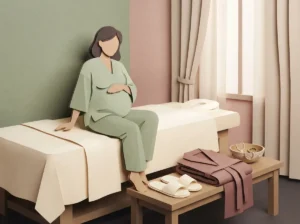
- Ask about the studio setup. A good prenatal massage studio should have proper bolstering equipment and a calm, welcoming atmosphere.
- Inquire about session options. Ask about session lengths and whether add-ons like aromatherapy massage can be incorporated safely during pregnancy.
- Book a consultation if available. Many studios offer a brief consultation so you can meet the therapist and ask questions before committing to a full session.
What to Expect During Your First Prenatal Massage Session
Walking into your first prenatal massage can feel a little nerve-wracking — especially if you’ve never had one before. Here’s what a typical session looks like so you know exactly what to expect:
- Intake and health review: Your therapist will ask about your pregnancy, any health conditions, and your areas of discomfort.
- Positioning setup: You’ll be guided into a comfortable side-lying position with supportive cushions, or onto a specially designed bolster table.
- Tailored massage: The therapist will use gentle, customized strokes to address your specific concerns — back pain, swollen feet, hip tightness, and more.
- Post-session guidance: After your session, your therapist may offer hydration reminders and tips to extend the benefits of your massage at home.
At Luna Massage Studio in Falls Church, VA, certified therapists are trained to make every prenatal session feel safe, nurturing, and deeply restorative. Their approach is thoughtful, professional, and always centered around your comfort and wellbeing.
Prenatal Massage Pricing and Session Options
Knowing what to expect in terms of pricing helps you plan ahead. Here’s a look at what prenatal massage sessions typically cost at a professional studio:
| Session Length | Price | Best For |
|---|---|---|
| 60 minutes | $125 | First-time clients, targeted relief |
| 75 minutes | $145 | Full-body attention with extra focus areas |
| 90 minutes | $165 | Deep relaxation and comprehensive care |
You can also enhance your session with a complimentary aromatherapy add-on, which is available free of charge upon request. Aromatherapy can deepen relaxation and complement the therapeutic benefits of your prenatal massage beautifully.
To learn more about what services are available and how to customize your session, visit the add-ons page for a full list of enhancement options.
Is Prenatal Massage Safe? Here’s What the Research Says
Safety is always the top concern for expectant mothers — and rightfully so. The good news is that prenatal massage is considered safe for most people with low-risk pregnancies when performed by a certified professional. Research has consistently shown positive outcomes for both parent and baby.
In studies examining bi-weekly prenatal massage sessions over five weeks, participants showed measurable reductions in stress hormones and significant increases in serotonin and dopamine. These hormonal shifts were linked to fewer birth complications and lower rates of newborn issues like low birth weight. Prenatal massage has also been shown to positively impact cardiovascular health and overall mood regulation throughout pregnancy.
You can follow Luna Massage Studio on Instagram to stay updated on wellness tips, client stories, and prenatal massage insights shared by their expert team.
For more on how massage therapy supports overall wellness beyond pregnancy, check out this helpful resource on what massage therapy services are available and which one is right for you.
Additional Wellness Options to Complement Prenatal Massage
Prenatal massage pairs wonderfully with other holistic wellness services. Here are a few options worth exploring alongside your prenatal care:
- Reiki Healing: A gentle energy-based therapy that promotes deep relaxation and emotional balance. Learn more about Reiki healing and how it can support your pregnancy journey. You can also read about Reiki healing on Wikipedia for background on this ancient Japanese practice.
- Swedish Massage: A gentle, full-body technique that promotes circulation and relaxation — well-suited for low-risk pregnancies with therapist guidance. Explore Swedish massage options available at the studio.
- Aromatherapy: Free to add to any massage session, aromatherapy enhances the calming and therapeutic effects of your treatment.
If you’re curious about how massage helps with stress and pain beyond pregnancy, the article on why a relaxing massage is the best stress relief tool is a great read.
Ready to Book Your Prenatal Massage in Falls Church, VA?
Finding a certified prenatal massage therapist near you doesn’t have to be overwhelming. With the right information, you can make a confident choice that supports your health, your comfort, and your growing baby. Whether you’re dealing with back pain, sleepless nights, swollen ankles, or just the everyday stress of pregnancy, a certified prenatal massage therapist can make a world of difference.
Luna Massage Studio in Falls Church, VA is here to support you every step of the way. Our certified therapists bring expertise, compassion, and a deep commitment to your prenatal wellness. You can also visit us on Google — Luna Massage Studio to read reviews, find our location, and learn more about what we offer.
Don’t wait to start feeling better. Schedule your prenatal massage session today and take the first step toward a more comfortable, more peaceful pregnancy experience. You deserve it — and so does your baby.
FAQs
Q: What qualifications should I look for in a certified prenatal massage therapist?
A: Look for a therapist who holds an active LMT (Licensed Massage Therapist) license along with a specialized prenatal massage certification. Membership in a professional organization like the American Massage Therapy Association is also a great sign that your therapist meets high professional standards.
Q: Is prenatal massage safe during the first trimester?
A: Most certified prenatal massage therapists recommend waiting until the second trimester (around 13 weeks) before starting massage therapy. The first trimester carries a higher risk of miscarriage, so it’s always best to check with your OB-GYN or midwife before booking any session.
Q: How often should I get prenatal massage during pregnancy?
A: Research suggests that bi-weekly prenatal massages over five weeks can meaningfully reduce stress hormones and improve mood — and many expectant mothers continue on a similar schedule through the third trimester. That said, your therapist and healthcare provider can help you find the right frequency for your personal situation.
Q: How does prenatal massage differ from a regular massage?
A: Prenatal massage uses specially modified positioning, lighter pressure, and avoids certain pressure points that could be unsafe during pregnancy. A certified prenatal therapist is trained specifically to address pregnancy-related discomforts like back pain, swelling, and sciatic nerve pain in a way that keeps both parent and baby safe.
Q: Do I need to consult my doctor before getting a prenatal massage?
A: Yes, absolutely! It’s always a great idea to check with your OB-GYN or midwife before scheduling your first prenatal massage, especially if you have any pregnancy complications. Once you have the green light from your healthcare provider, you can book with confidence and start enjoying all the wonderful benefits prenatal massage has to offer.
Our Service Area