Key Takeaways
-
Deep tissue massage alone is as effective as massage combined with pain medication (NSAIDs) for back pain relief, offering a drug-free alternative backed by clinical research.
-
Chronic back pain requires consistent treatment—10 weekly massage sessions produced significant pain reduction and improved daily function, with ongoing monthly maintenance delivering better long-term results than single appointments.
-
Massage relieves back pain through four key mechanisms: improving blood flow to tight muscles, releasing tension and knots, calming the nervous system to reduce pain sensitivity, and releasing muscle compression on nerves causing sciatica.
-
Deep tissue massage works best for chronic pain and scar tissue, Swedish massage for stress-related tension, and sports massage for athletes—choose based on your pain's root cause rather than assuming all massages are equally effective.
-
Most people should expect 2-4 weeks for acute pain relief or 4-6 weeks for lingering tension with weekly sessions, and massage is safe for most musculoskeletal pain but should be avoided for broken bones, severe spinal conditions, or acute inflammatory phases.
-
Combining massage with complementary treatments like cupping therapy or Gua Sha can enhance results for stubborn back pain, and adding aromatherapy as a free add-on can boost relaxation and inflammation reduction benefits.
Back pain is one of the most common complaints in the United States. Whether you sit at a desk all day, chase after kids, train for a marathon, or simply feel the wear of years on your body — back pain has a way of showing up uninvited and overstaying its welcome. The good news? massage therapy for back pain is one of the most effective, natural, and enjoyable ways to find real relief.
In this article, we’ll break down exactly how back pain relief massage works, which types work best, what the research says, and what you can expect from your first session. Whether you’re a stressed-out professional, an active athlete, a senior managing chronic pain, or someone simply tired of reaching for the ibuprofen — this guide is for you.
Why Does Back Pain Happen in the First Place?
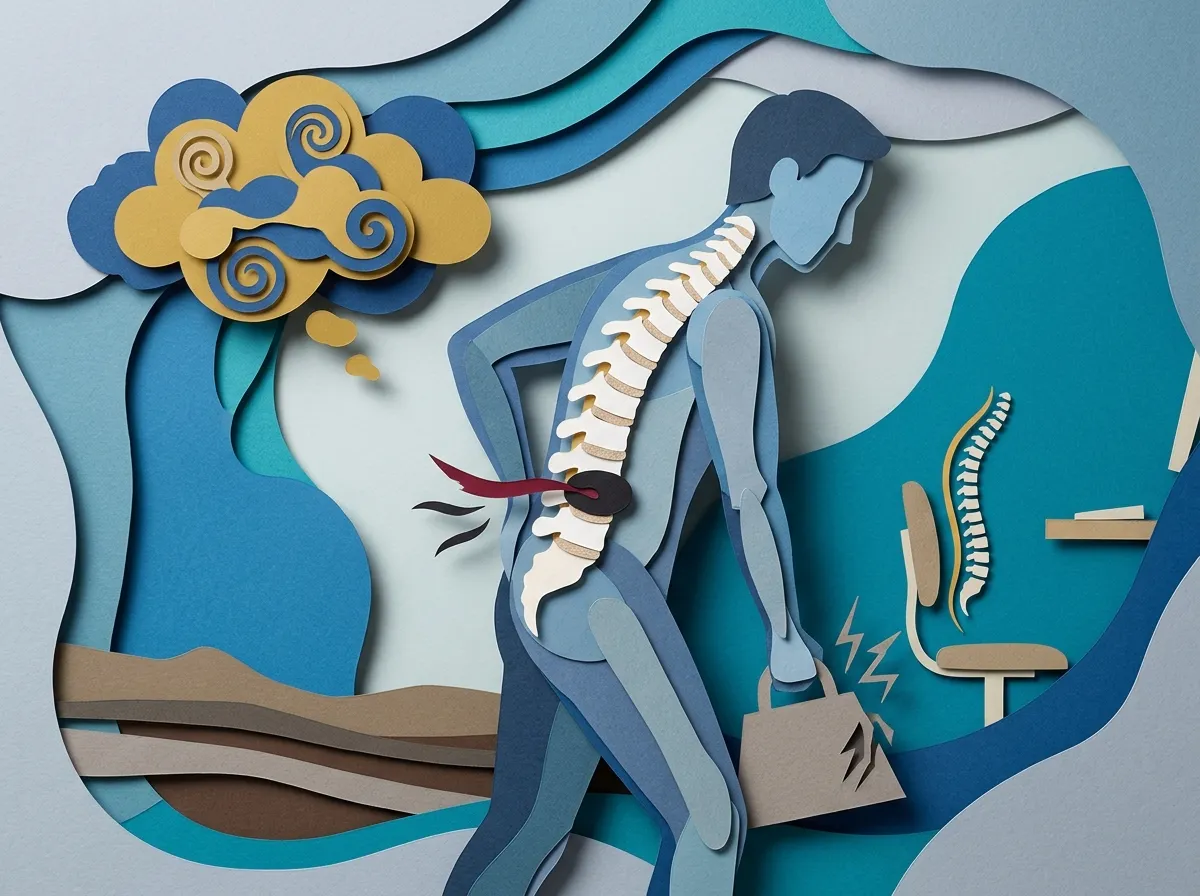
Before we talk about solutions, it helps to understand the problem. Back pain rarely comes from one single cause. It’s usually a combination of factors building up over time.
- Poor posture from sitting at desks or looking at screens
- Muscle tightness from overuse, overtraining, or repetitive movements
- Stress and anxiety that causes the body to hold tension in the lower back
- Inflammation in the lumbar area from injury or overexertion
- Nerve compression leading to sciatica and radiating leg pain
- Scar tissue from old injuries that restricts movement
These causes share one common thread: they all involve soft tissue dysfunction. That’s exactly where massage therapy shines. It works directly on the muscles, connective tissue, and surrounding structures — without surgery, without medication, and without downtime.
How Does Massage Therapy Relieve Back Pain?
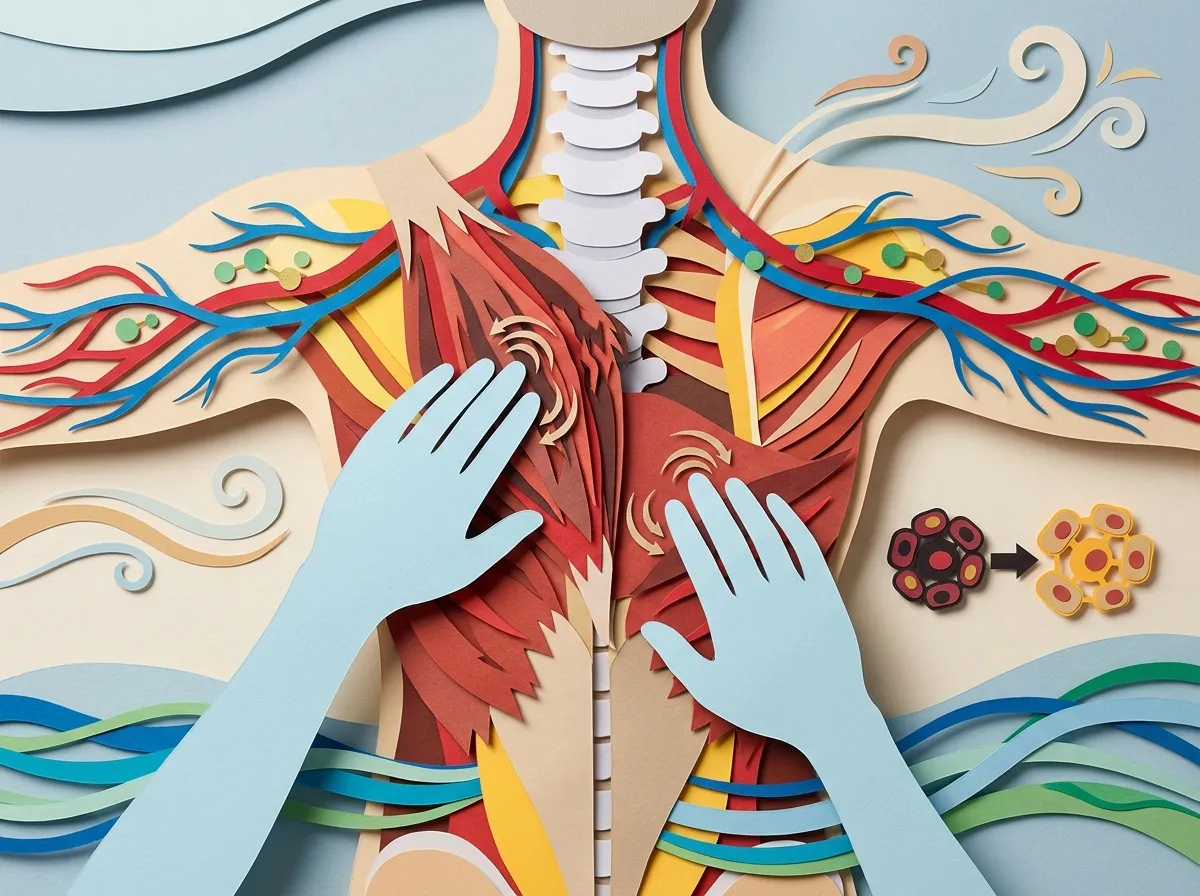
Massage works through several overlapping mechanisms. Together, they create real, lasting relief for people dealing with acute and chronic back pain.
1. It Improves Blood Flow to Tight Muscles
Muscle tension restricts circulation. When blood flow is reduced, oxygen and nutrients can’t reach the affected tissue efficiently. Massage stimulates circulation, flushing out waste products and bringing fresh blood to the area. This helps muscles recover, relax, and function properly again.
2. It Releases Muscle Tension Directly
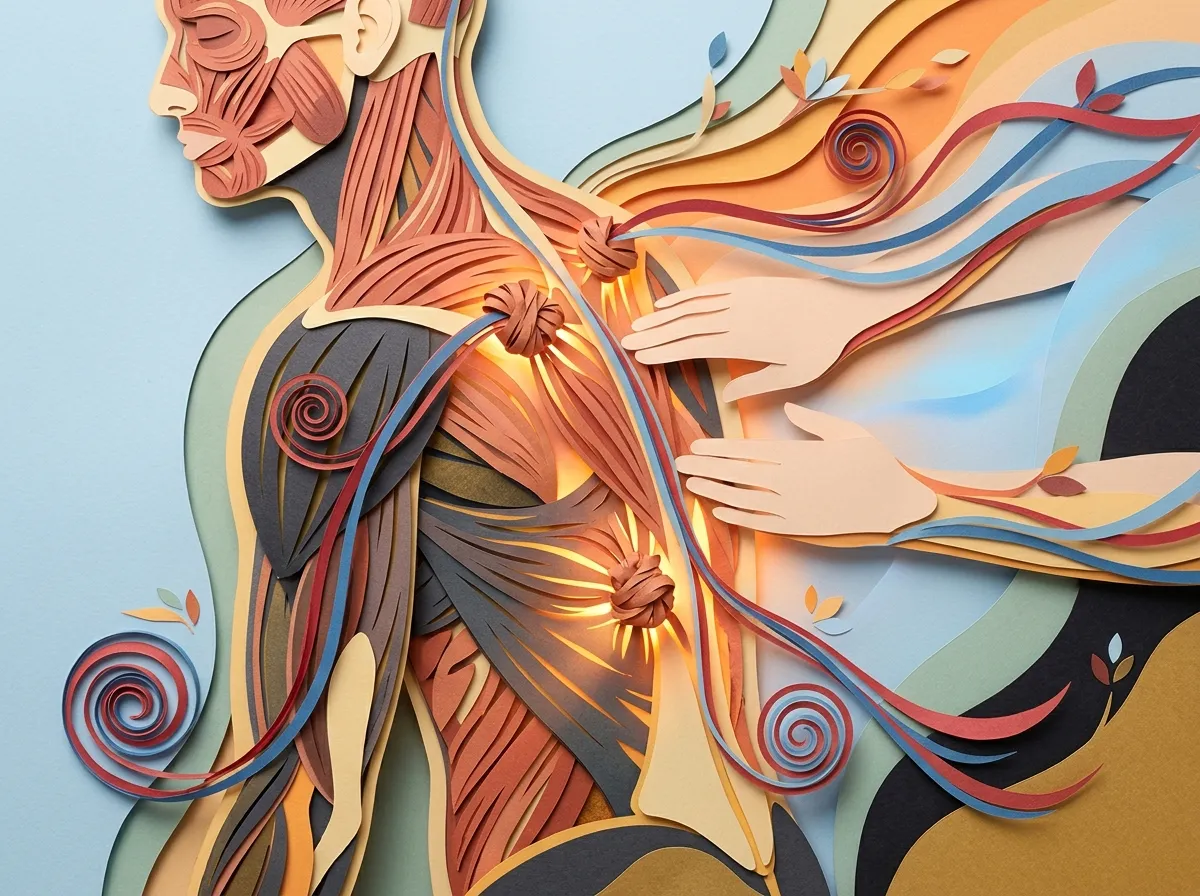
Massage applies targeted pressure to tight muscles and connective tissue. This breaks up knots, loosens adhesions, and releases areas of chronic tension. Over time, this restores flexibility and range of motion — two things that back pain tends to steal from you.
3. It Calms the Nervous System
Chronic pain has a nervous system component. The brain and spinal cord become hypersensitive to pain signals over time. Massage activates the parasympathetic nervous system — your “rest and digest” mode — which reduces cortisol levels, lowers heart rate, and calms the pain response. This is why you feel genuinely better, not just temporarily distracted.
4. It Helps With Nerve Compression
When surrounding muscles compress the sciatic nerve or other spinal nerves, pain radiates outward. By releasing the muscles contributing to that compression, massage can significantly reduce sciatica-related discomfort. This is especially helpful for people who have tried everything else without lasting success.
What Types of Massage Are Best for Back Pain Relief?
Not all massages are created equal when it comes to back pain. Here’s a look at the most effective options and what makes each one unique.
| Massage Type | Best For | Pressure Level | Session Length |
|---|---|---|---|
| Deep Tissue Massage | Chronic pain, scar tissue, muscle strain | Firm to intense | 60–90 min |
| Swedish Massage | General tension, stress-related back pain | Light to moderate | 60–90 min |
| Sports Massage | Athletes, muscle overuse, injury recovery | Moderate to firm | 60–90 min |
| Aromatherapy Massage | Stress, inflammation, relaxation support | Light to moderate | 60–90 min |
If you’re dealing with deep-seated chronic tension or scar tissue from an old injury, deep tissue massage for back pain is likely your best starting point. A 2014 study found that deep tissue massage alone relieved back pain just as effectively as massage combined with NSAIDs. That’s a powerful finding worth paying attention to.
For stress-driven back pain, Swedish massage is a wonderful option. It’s gentler, deeply relaxing, and helps reset the nervous system. You can learn more about this option in our guide to relaxing and recharging with Swedish massage.
What Does the Research Actually Say?
We love sharing the science because it’s genuinely impressive. Here’s a quick summary of what clinical research has found about back pain relief massage.
| Study / Source | Finding |
|---|---|
| 401-person chronic back pain study | 10 weekly massage sessions reduced pain and improved daily activity vs. usual care |
| Deep tissue vs. NSAIDs study (2014) | Deep tissue massage alone was equally effective as massage + pain medication |
| Harvard Health review | Massage outperformed physical therapy, acupuncture, and self-help in best-quality studies |
| PubMed analysis | Significant pain improvements seen in short-term follow-up for acute, sub-acute, and chronic cases |
One important caveat: the benefits of massage for chronic back pain were less clear 12 months after therapy ended. This suggests that regular, ongoing sessions — rather than a single appointment — lead to the best long-term outcomes. Think of it like going to the gym. One workout helps, but consistency transforms.
You can also explore how massage compares to other treatment options in our detailed breakdown of massage for pain relief vs. medication.
Who Benefits Most From Back Pain Massage?
Back pain relief massage isn’t just for one type of person. It genuinely helps a wide range of people across different life stages and activity levels.
Busy Professionals
Long hours at a desk, back-to-back meetings, and high stress all contribute to chronic upper and lower back tension. If you’re winding down at the end of a long week, a massage session can reset your body and help you actually relax for the first time in days. Stress causes the muscles to hold tension — especially in the lower back — and massage is one of the fastest ways to release it.
Athletes and Active Adults
Runners, gym-goers, and weekend warriors frequently experience back pain from overuse, muscle imbalances, or training load. Sports massage can target those specific areas, improve recovery time, and help you get back to training faster. Check out our post on sports massage benefits for athletic recovery for more details.
Seniors With Chronic Pain
For older adults managing arthritis, stiffness, or years of accumulated muscle tension, therapeutic massage offers a safe and non-invasive option. Regular sessions help maintain mobility, reduce pain signals, and improve overall quality of life. Our article on whether massage can help with chronic pain covers this topic in depth.
Pregnant Women
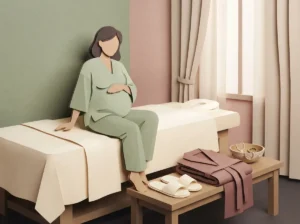
Lower back pain is incredibly common during pregnancy. The shifting of the body’s center of gravity puts enormous strain on the lumbar spine and surrounding muscles. Prenatal massage is specifically designed to address these concerns safely, providing relief without any risk to mother or baby.
Add-On Treatments That Boost Back Pain Relief
Sometimes, massage alone is enough. But for stubborn back pain, combining your massage with a targeted add-on can take your results to the next level. Here are three options worth knowing about.
Cupping Therapy
Cupping uses suction cups to draw blood flow to the surface of the skin, release deep muscle tension, and improve circulation. It’s especially effective for people with severe lower back tightness. Learn more in our guide on what cupping therapy is and how it helps.
Gua Sha
This ancient scraping technique releases tension from the skin’s surface and underlying muscles. It’s been used for thousands of years across many cultures to relieve aches, reduce inflammation, and improve circulation. Read our full breakdown of Gua Sha massage therapy for modern pain.
Aromatherapy
Adding essential oils to your massage session can enhance relaxation, reduce inflammation, and improve the overall pain-relieving effect of your treatment. At Luna Massage Studio, aromatherapy is available as a free add-on to any massage service — it’s one of the easiest upgrades you can make.
How Many Sessions Do You Need?
This is one of the most common questions we hear. The honest answer depends on the severity and duration of your back pain. Here’s a general guide to help you set realistic expectations.
| Pain Type | Recommended Frequency | Expected Timeline |
|---|---|---|
| Acute pain (new injury or flare-up) | 1–2 sessions per week | 2–4 weeks |
| Sub-acute pain (lingering tension) | Weekly sessions | 4–6 weeks |
| Chronic pain (long-term, recurring) | Weekly, then monthly maintenance | Ongoing |
| Preventative wellness | Monthly or bi-monthly | Indefinite |
A study of 401 people with chronic low back pain found that 10 weekly sessions of massage significantly reduced pain and improved daily function compared to usual care. This aligns with what massage therapists see in practice — a consistent series of sessions delivers far better results than a one-time treatment.
What to Expect During a Back Pain Relief Massage Session
If you’ve never had a therapeutic massage for back pain before, here’s what typically happens.
- Consultation: Your therapist will ask about your pain location, history, and any health conditions before starting.
- Positioning: You’ll lie face-down on a padded table, with bolsters used to support your lower back and knees comfortably.
- Focused treatment: Unlike a general relaxation massage, a therapeutic session focuses specifically on the painful area. Expect the therapist to spend significant time on your lower back, glutes, and hips.
- Pressure communication: A good therapist will check in regularly about pressure. Speak up — more pressure isn’t always better.
- Post-session care: You may feel some soreness after a deep tissue session, especially your first one. Drink plenty of water and rest if you can.
Curious about what to look for in a great therapist? Our article on what makes the best massage therapist worth booking is a helpful starting point.
Is Massage Always Safe for Back Pain?
Massage is considered a safe, non-invasive alternative to surgery or medications for most musculoskeletal back pain. However, it’s not appropriate in every situation. Here’s a quick breakdown:
- Great for: Muscle tension, chronic strain, stress-related pain, sciatica from muscle compression, scar tissue
- Use with caution: Recent injuries still in acute inflammatory phase, herniated discs (consult your doctor first)
- Not effective for: Broken bones, severe spinal conditions requiring surgery, active infections
- Always check with your doctor if you have a serious underlying medical condition
For most people, massage is not only safe — it’s one of the best-researched natural options available. If you want to understand more about when massage is the right choice, read our guide on how to choose between massage and physical therapy.
Why Choose Luna Massage Studio for Back Pain Relief
At Luna Massage Studio in Falls Church, VA, we specialize in therapeutic massage designed to address real physical concerns — not just provide a temporary escape. Our experienced therapists offer deep tissue, Swedish, sports, prenatal, and aromatherapy massage sessions, along with add-on treatments like cupping and Gua Sha that can significantly enhance your back pain outcomes.
We invite you to check out what our clients are saying by visiting us on Yelp or reading our client reviews on our website. You can also visit us on Google — Luna Massage Studio to see our location, hours, and even more client feedback. We also share wellness tips, behind-the-scenes content, and special offers on our Instagram page, so feel free to follow along for inspiration.
If you’re curious about how our approach compares and what services might be the best fit for your specific back concerns, our detailed article on which massage is best for lower back pain relief walks through the options step by step.
Take the First Step Toward a Pain-Free Back
Back pain doesn’t have to be a permanent part of your life. With the right type of massage, the right frequency, and the right therapist, you can experience genuine, lasting relief — without medication, without surgery, and without having to push through the pain alone.
The research is clear: back pain relief massage works. Harvard Health, PubMed, and dozens of clinical studies all confirm that massage outperforms many conventional care options for both acute and chronic back pain. The only question now is: what are you waiting for?
Ready to feel better? Book your back pain relief massage session today and take the first step toward a healthier, more comfortable you. Your back will thank you for it.
FAQs
Q: What type of massage is best for lower back pain relief?
A: Deep tissue massage is often the top choice for lower back pain, especially when scar tissue or chronic muscle strain is involved. Swedish massage works beautifully for stress-related back tension, while sports massage is a great fit if your pain comes from athletic activity or overuse. Your therapist can help you decide which approach makes the most sense for your specific situation!
Q: How many massage sessions do I need to treat chronic back pain?
A: For chronic back pain, research suggests that around 10 weekly sessions can produce meaningful, measurable results. After that initial series, most people benefit from monthly maintenance appointments to keep their progress going. Think of it as an investment in your body — consistent care really does add up over time.
Q: Can massage therapy make back pain worse?
A: It’s normal to feel a little sore after a deep tissue session, especially your first one — this is just your muscles responding to the treatment. However, massage is generally very safe for musculoskeletal back pain. If you have an acute injury, a herniated disc, or an underlying medical condition, it’s always a good idea to check with your doctor before booking.
Q: Does massage help with sciatica and nerve compression in the back?
A: Yes! When sciatica is caused by tight muscles compressing the sciatic nerve, massage can provide significant relief by releasing that surrounding muscle tension. Many clients experience a noticeable reduction in radiating leg pain after targeted therapeutic massage sessions focused on the lower back, glutes, and hips.
Q: Is massage a safe alternative to pain medications for back pain?
A: Absolutely — and the research backs this up! A 2014 study found that deep tissue massage alone relieved back pain just as effectively as massage combined with NSAIDs. Massage is non-invasive, drug-free, and has the added bonus of reducing stress, improving sleep, and boosting circulation all at the same time. It’s a wonderfully holistic approach to pain relief.
Our Service Area