Key Takeaways
-
Massage increases blood flow and oxygen to muscles while activating your parasympathetic nervous system, causing muscle fibers to lengthen and soften, which is why clients often feel both looser and calmer after a single session.
-
Deep tissue massage is projected to make up 44.5% of massage service requests in 2026 because it uses firmer pressure to reach chronic tension and stubborn knots that light touch techniques cannot address.
-
Frequency should match your needs: weekly sessions for chronic pain or high stress, every two weeks for ongoing tightness, monthly for general wellness, or as needed for occasional soreness.
-
The global muscle relaxation therapy market was valued at $4.2 billion in 2023 and is projected to reach $6.8 billion by 2032, reflecting growing demand for non-drug pain and stress management solutions.
-
Progressive muscle relaxation—tensing and releasing each muscle group—is a self-care technique you can practice at home between massage sessions to identify tension you didn't know you were holding.
-
Massage is generally safe for most people, but you should consult your doctor first if you've had recent surgery, have certain skin conditions, deep vein thrombosis, or high-risk pregnancy.
Ever finish a long day and feel like your shoulders are living up near your ears? That tight, achy feeling has a name, and thankfully, it has a solution too. Muscle relaxation therapy is one of the most requested reasons people book a massage in the first place. Whether you’re a busy professional carrying stress in your neck, a new mom-to-be dealing with pregnancy aches, or an athlete pushing your body to the limit, this approach can bring real relief.
At Luna Massage Studio in Falls Church, VA, we see clients every week who come in tense, sore, and worn out, and leave feeling like a completely different person. In this guide, we’ll break down what muscle relaxation therapy really means in the massage world, which techniques work best, and how to know if it’s right for you. Let’s dive in together.
What Does Muscle Relaxation Therapy Mean in Massage Therapy?
In the massage world, muscle relaxation therapy isn’t one single treatment. It’s more like a family of hands-on techniques used to calm tight muscles, boost circulation, and help your whole body settle into a relaxed state. Think of it as an umbrella term that covers several massage styles, each with a slightly different focus.
Massage therapy itself is defined as the manual manipulation of soft tissues, including your muscles, tendons, ligaments, and skin. When we talk about muscle relaxation specifically, we’re usually talking about easing tension, reducing soreness, and supporting your body’s natural stress response. It’s less about fixing one specific medical issue and more about helping your whole system unwind.
Here’s something interesting: research shows that 61% of people seek massage therapy mainly for medical benefits like soreness relief, muscle spasm relief, and pain reduction. That tells us muscle relaxation isn’t just a luxury. For most clients, it’s a genuine wellness need.
How Massage Helps Your Muscles Actually Relax
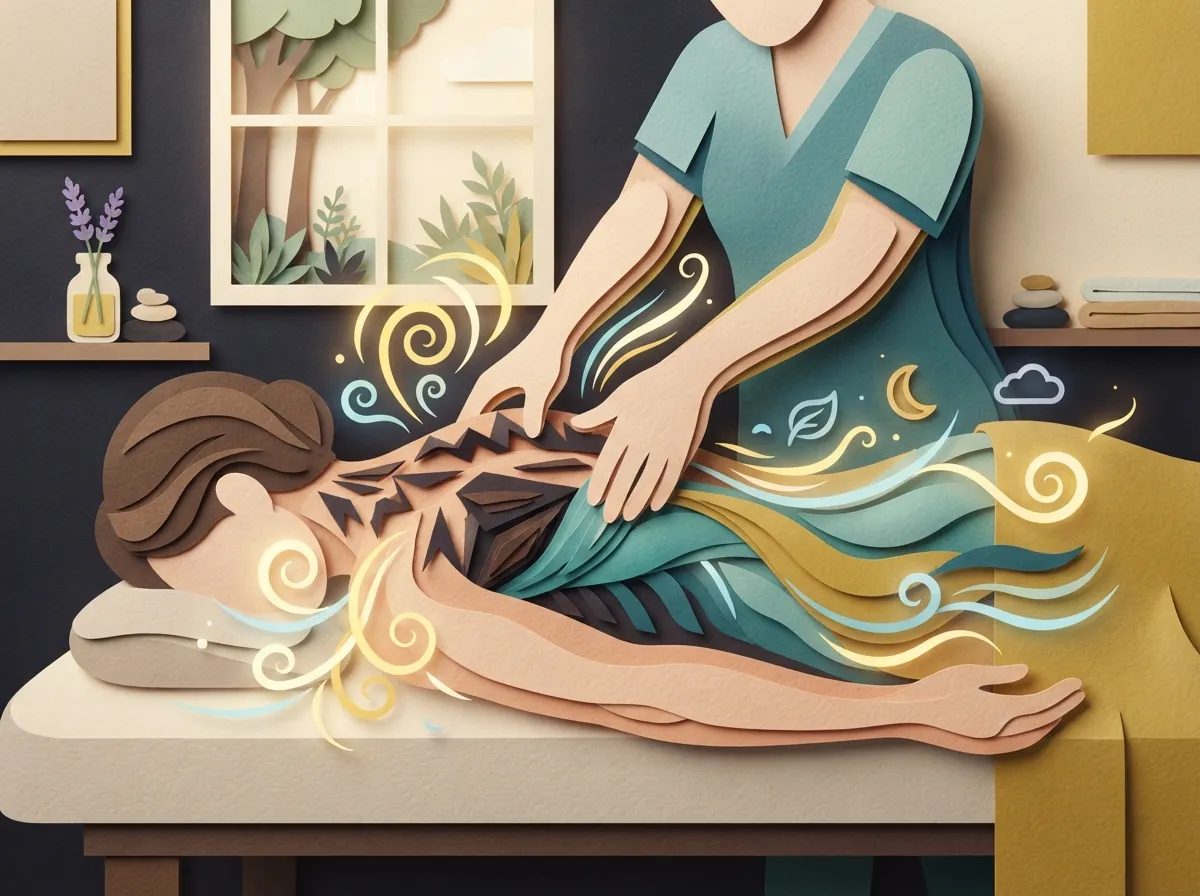
You might wonder what’s happening under the surface when a therapist works on a tight muscle. It’s not magic, but it can definitely feel that way. Here’s the simple version of what’s going on:
- Massage increases blood flow to the area being worked on, which brings fresh oxygen to tired muscles
- Pressure and movement help break up tension patterns that build up from stress or overuse
- Touch activates your parasympathetic nervous system, often called the “rest and digest” mode
- Your body releases feel-good chemicals that lower your perceived pain and stress levels
- Muscle fibers that were stuck in a contracted state get a chance to lengthen and soften
These effects work together, which is why a single session can leave you feeling looser and calmer at the same time. It’s also why so many people come in stressed and leave smiling.
Top Massage Techniques for Muscle Relaxation
Not every technique works the same way, so it helps to know your options. Here’s a rundown of the most common approaches used for muscle relaxation therapy.
1. Swedish Massage for Gentle Relaxation
Swedish massage is often the first technique people think of when they picture a relaxing massage. It uses long, smooth strokes to improve circulation and ease general tension. If you’re new to massage or just want a calm, soothing experience, this is a wonderful place to start. You can learn more about why so many clients love it in our article on the benefits of Swedish massage.
2. Deep Tissue Massage for Chronic Tightness
When tension runs deep, sometimes you need more than a light touch. Deep tissue massage uses firmer pressure to reach the layers underneath your surface muscles. It’s especially popular with people dealing with chronic stiffness or a nagging knot that won’t quit. In fact, industry reports predict deep tissue massage will make up 44.5% of massage service requests in 2026, largely because clients want real relief from muscle tension. Our guide on deep tissue massage techniques breaks down exactly how this works.
3. Sport Massage for Active Bodies
If you’re training hard or recovering from a workout, sport massage is built with you in mind. It combines stretching, targeted pressure, and recovery-focused techniques to help your muscles bounce back faster. Check out our post on the benefits of sports massage for muscle pain if you’re curious about how it fits into your training routine.
4. Progressive Muscle Relaxation as a Self-Care Tool
Here’s a bonus technique you can try at home between massage sessions. Progressive muscle relaxation involves tensing each muscle group for a few seconds, then releasing it completely. This simple practice, often discussed alongside massage-based methods, can help you notice tension you didn’t even know you were holding. It pairs beautifully with regular massage visits.
Comparing Muscle Relaxation Techniques
Not sure which option fits your needs? Here’s a simple table to help you compare.
| Technique | Best For | Pressure Level | Session Length |
|---|---|---|---|
| Swedish Massage | General stress and relaxation | Light to medium | 60-90 min |
| Deep Tissue Massage | Chronic tension and stiffness | Medium to firm | 60-90 min |
| Sport Massage | Athletes and active adults | Medium to firm | 60-90 min |
| Prenatal Massage | Expectant mothers | Light to medium | 60-90 min |
Muscle Relaxation Therapy for Different Life Stages
One of the best things about massage is that it can be tailored to fit exactly where you are in life. Let’s look at how different groups benefit.
For Busy Professionals Managing Stress
If your calendar is packed and your neck feels like a rock by Friday afternoon, you’re not alone. Many of our clients in the Falls Church area book evening or weekend sessions to unwind after demanding work weeks. A relaxing massage helps lower cortisol, ease tension headaches, and give your mind a much-needed break. Our article on why relaxing massage is the best stress relief tool dives deeper into this connection.
For Expectant Mothers
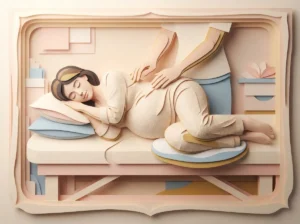
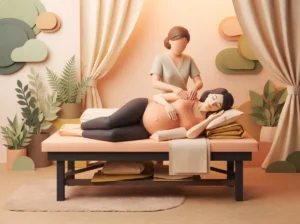
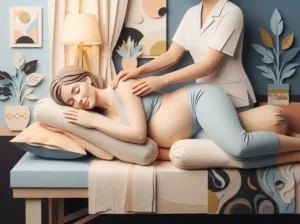
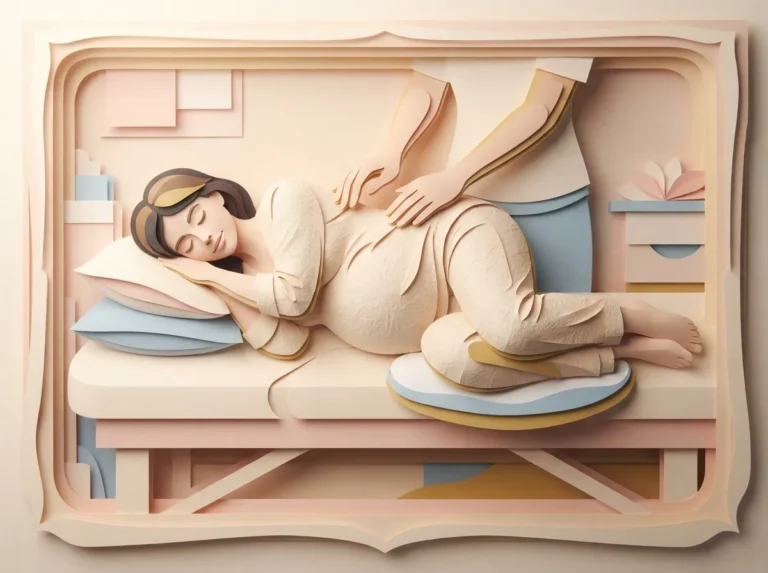
Pregnancy brings its own set of aches, from lower back pain to swollen feet. Prenatal massage is designed specifically with a growing belly and shifting posture in mind. It’s gentle, safe, and incredibly soothing during a demanding chapter of life. If you’re expecting, our piece on finding the best prenatal massage near you is worth a read.
For Athletes and Active Adults
Whether you run marathons or just hit the gym a few times a week, your muscles work hard for you. Regular sport or deep tissue sessions help reduce soreness, improve flexibility, and speed up recovery time. Many athletes pair this with add-on treatments like cupping or Gua Sha for extra relief.
For Seniors With Chronic Pain
Arthritis, stiffness, and limited mobility can make everyday movement feel harder than it should. Gentle, therapeutic massage can improve flexibility and ease discomfort without relying on medication. Our article on whether massage can help with chronic pain covers this topic in detail.
For Wellness-Focused Individuals
If self-care is already part of your lifestyle, muscle relaxation therapy fits right in alongside your other healthy habits. Many wellness-minded clients also explore Reiki healing as a complementary practice. Reiki is a Japanese energy healing method that focuses on balancing your body’s natural life force, and you can read more about its origins on Reiki healing.
Add-On Treatments That Boost Muscle Relaxation
Sometimes a massage alone isn’t quite enough, and that’s where add-ons come in handy. These treatments pair beautifully with any massage session to deepen your results.
- Gua Sha: A gentle scraping technique that helps release tension and toxins near the skin’s surface
- Cupping: Suction cups placed on the skin to boost blood flow and release deep tension
- Aromatherapy: Essential oils added to your massage to enhance relaxation, offered free with any session
You can learn more about how these work in our guide on what cupping therapy can do for you and our post about Gua Sha massage therapy.
How Often Should You Get Muscle Relaxation Massage?
This is one of the most common questions we hear, and the honest answer is: it depends on your goals. Here’s a simple breakdown to guide you.
- Once a week: Best for chronic pain, high stress, or active recovery from an injury
- Every two weeks: A solid choice for ongoing stress management or ongoing muscle tightness
- Once a month: Great for general wellness maintenance and relaxation
- As needed: Perfect for occasional soreness after a hard workout or a stressful week
Listening to your body is key here. If tension keeps creeping back quickly, you might benefit from more frequent visits.
Is Muscle Relaxation Massage Safe for Everyone?
Massage is generally very safe, but there are a few situations where you should check with your doctor first. These include recent surgeries, certain skin conditions, deep vein thrombosis, or high-risk pregnancies. Always let your therapist know about any health conditions before your session starts.
A good therapist will always ask about your health history and adjust pressure accordingly. This is one reason why choosing a licensed, experienced provider matters so much. Our article on what a licensed massage therapist can do for you explains why credentials make a real difference.
The Growing Demand for Muscle Relaxation Therapy
This isn’t just a small trend. The global muscle relaxation therapy market was valued at roughly $4.2 billion in 2023, and it’s projected to reach $6.8 billion by 2032. Another estimate places the current market at $3.5 billion, growing to $5.2 billion by 2033. People everywhere are looking for non-drug ways to manage pain and stress, and massage therapy is leading that charge.
| Market Data Point | Value |
|---|---|
| Global market value (2023) | $4.2 billion |
| Projected value by 2032 | $6.8 billion |
| Broader massage service market (2026) | $76.6 billion |
| Consumers seeking massage for medical benefits | 61% |
What to Expect During Your First Session
If you’ve never tried muscle relaxation therapy before, here’s a simple walkthrough of what typically happens.
- You’ll fill out a short health history form so your therapist understands your needs
- Your therapist will ask about problem areas, pressure preferences, and goals for the session
- You’ll get settled comfortably on the table, fully draped except for the area being worked on
- Your therapist will use techniques suited to your tension level and comfort
- You’ll have time afterward to relax, rehydrate, and notice how your body feels
Many first-time clients are surprised by how quickly they feel a difference, both physically and mentally. If you want more tips before your visit, check out our guide on things to know before visiting a massage therapy studio.
Why Choose Luna Massage Studio for Muscle Relaxation Therapy
At Luna Massage Studio, we believe relaxation shouldn’t feel complicated. Our team offers deep tissue, Swedish, sport, and prenatal massage, along with Reiki healing and helpful add-ons like Gua Sha and cupping. Every session is built around your specific goals, whether that’s easing chronic pain, recovering from a workout, or simply catching your breath after a hectic week.
We’re proud to serve the Falls Church community, and we’d love for you to experience the difference for yourself. Feel free to check out what our clients are saying on Yelp, follow us on Instagram for wellness tips, or visit us on Google — Luna Massage Studio to read more reviews from happy clients.
Simple Ways to Support Muscle Relaxation Between Sessions
Your massage results can last longer with a few small habits at home. Try these simple tips between your visits.
- Drink plenty of water to help flush out toxins released during your massage
- Stretch gently each morning to keep muscles from tightening up again
- Practice deep breathing when you feel stress building during the day
- Use a warm compress on tight areas to encourage relaxation
- Try progressive muscle relaxation exercises before bed to improve sleep
These small steps can make a real difference in how your body feels between appointments.
Ready to Feel the Difference?
Muscle relaxation therapy isn’t just a nice treat, it’s a powerful tool for managing stress, easing pain, and helping your body feel like itself again. Whether you’re dealing with work stress, training soreness, pregnancy discomfort, or the aches that come with age, there’s a massage technique built for you. Our team at Luna Massage Studio is here to help you find exactly what your body needs.
Ready to give your muscles the care they deserve? Book your session today and experience real relaxation for yourself. If you have questions first, feel free to reach out to our team anytime.
FAQs
Q: What is muscle relaxation therapy in massage therapy?
A: It’s a friendly term for hands-on techniques like Swedish and deep tissue massage that help ease muscle tension, reduce soreness, and calm your whole body. Think of it as your body’s reset button after a stressful week or a tough workout.
Q: What massage techniques are best for muscle relaxation?
A: Swedish massage is wonderful for gentle relaxation, while deep tissue massage tackles deeper, chronic tension. Sport massage works great for active bodies, and many clients love adding Gua Sha or cupping for extra relief.
Q: Is deep tissue massage good for muscle tension and soreness?
A: Absolutely, it’s one of the most popular choices for exactly that reason. Deep tissue massage uses firmer pressure to reach those stubborn knots that lighter techniques might miss.
Q: How often should you get massage therapy for muscle tightness?
A: It really depends on your body and goals, but weekly sessions work well for chronic tightness, while monthly visits are great for general upkeep. Listen to your body, and adjust as needed.
Q: Are there risks or contraindications for muscle relaxation massage?
A: Massage is generally very safe, but it’s smart to check with your doctor if you’ve had recent surgery, have certain skin conditions, or a high-risk pregnancy. A good therapist will always ask about your health history before starting.
Our Service Area