Key Takeaways
-
Research shows massage provides more short-term relief than doing nothing, with one study finding 63% of people felt no pain after one month of comprehensive massage therapy compared to 14% with exercise alone.
-
Deep tissue massage works best for chronic low back pain because it targets deeper muscle layers and breaks up tension patterns, while Swedish massage suits general relaxation and stress-related tension.
-
Massage produces strongest results when combined with movement, stretching, and education about posture rather than used as a standalone treatment.
-
Common effective techniques include trigger point therapy for radiating pain, myofascial release for connective tissue, and work on surrounding areas like buttocks and thighs that pull on the lower back.
-
Extend relief between sessions by stretching daily, taking walking breaks from desk work, applying heat before bed, staying hydrated, and scheduling regular follow-up massages instead of waiting for pain to return.
-
Avoid massage if you have a recent back injury, fracture, numbness, tingling, leg weakness, fever, or sudden pain after a fall—consult your doctor first in these situations.
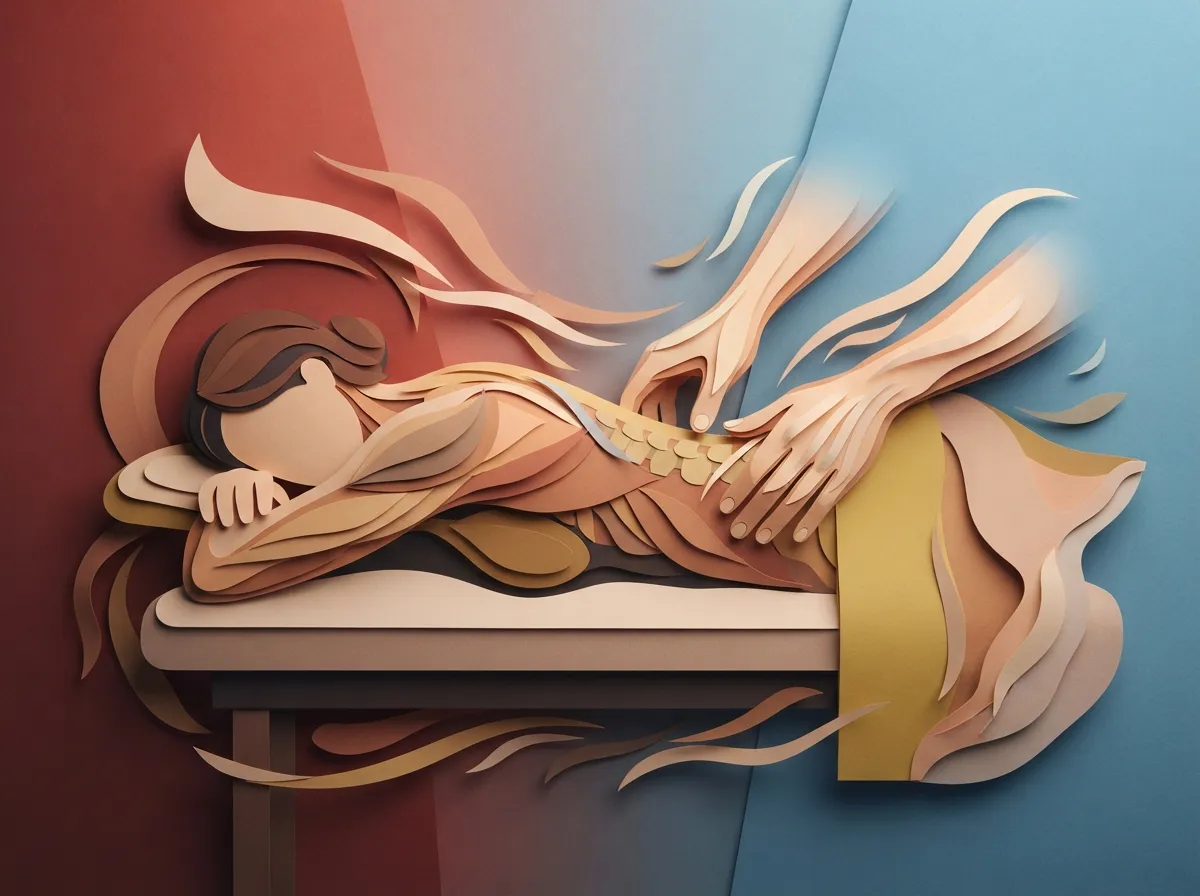
If you’ve ever finished a long day hunched over a desk or lifted one too many boxes, you know that nagging ache in your lower back all too well. You are not alone. Low back pain is one of the most common reasons people seek out massage therapy, and for good reason. A well-done low back pain massage can loosen tight muscles, calm your nervous system, and help you move a little easier. Whether you’re a busy professional glued to a laptop, a new mom carrying extra weight, or an athlete pushing your limits, your lower back tends to take the brunt of daily stress.
At Luna Massage Studio in Falls Church, VA, we see this pain pattern often. The good news? Research backs up what many of our clients already feel: massage can bring real relief, especially in the short term. In this guide, we’ll walk through what science says, which techniques work best, and how to get the most out of every session.

Does Massage Really Help Low Back Pain?
Let’s start with the honest answer, because we like to keep things real with you. Studies on massage for low back pain show mixed results, but there’s still plenty of reason for hope. A 2002 systematic review found that benefits from massage on chronic low back pain lasted at least one year after treatment ended. That’s a pretty encouraging number.
On the flip side, a more recent Cochrane review found only weak confidence that massage works consistently across all studies. This doesn’t mean massage doesn’t help. It means results can vary from person to person, and massage works best as part of a bigger wellness plan rather than a one-time fix.
What the Research Actually Shows
- Massage often provides more short-term relief than doing nothing at all.
- Some studies show massage beats usual care, like basic home stretches or standard physical therapy visits.
- Results are strongest when massage is paired with movement and education about posture and body mechanics.
- One subacute low back pain study found 63% of people felt no pain after one month of comprehensive massage therapy, compared to just 27% with soft-tissue manipulation and 14% with remedial exercise alone.
- Harvard Health notes that in the best-designed studies, massage outperformed standard self-care steps, though study groups were often small.
So while massage isn’t a magic cure, it’s a genuinely helpful tool. Think of it as one important piece of your pain-relief puzzle, not the whole picture.
Best Massage Types for Low Back Pain
Not all massage styles work the same way on your lower back. Some focus on relaxing surface muscles, while others dig deeper into stubborn knots. Here’s a simple breakdown to help you choose.
| Massage Type | Best For | Pressure Level |
|---|---|---|
| Deep Tissue Massage | Chronic tightness, muscle knots, long-term tension | Firm to strong |
| Swedish Massage | General relaxation, stress-related tension | Light to moderate |
| Sport Massage | Athletes, workout recovery, muscle strain | Moderate to firm |
| Prenatal Massage | Pregnancy-related back and hip discomfort | Gentle |
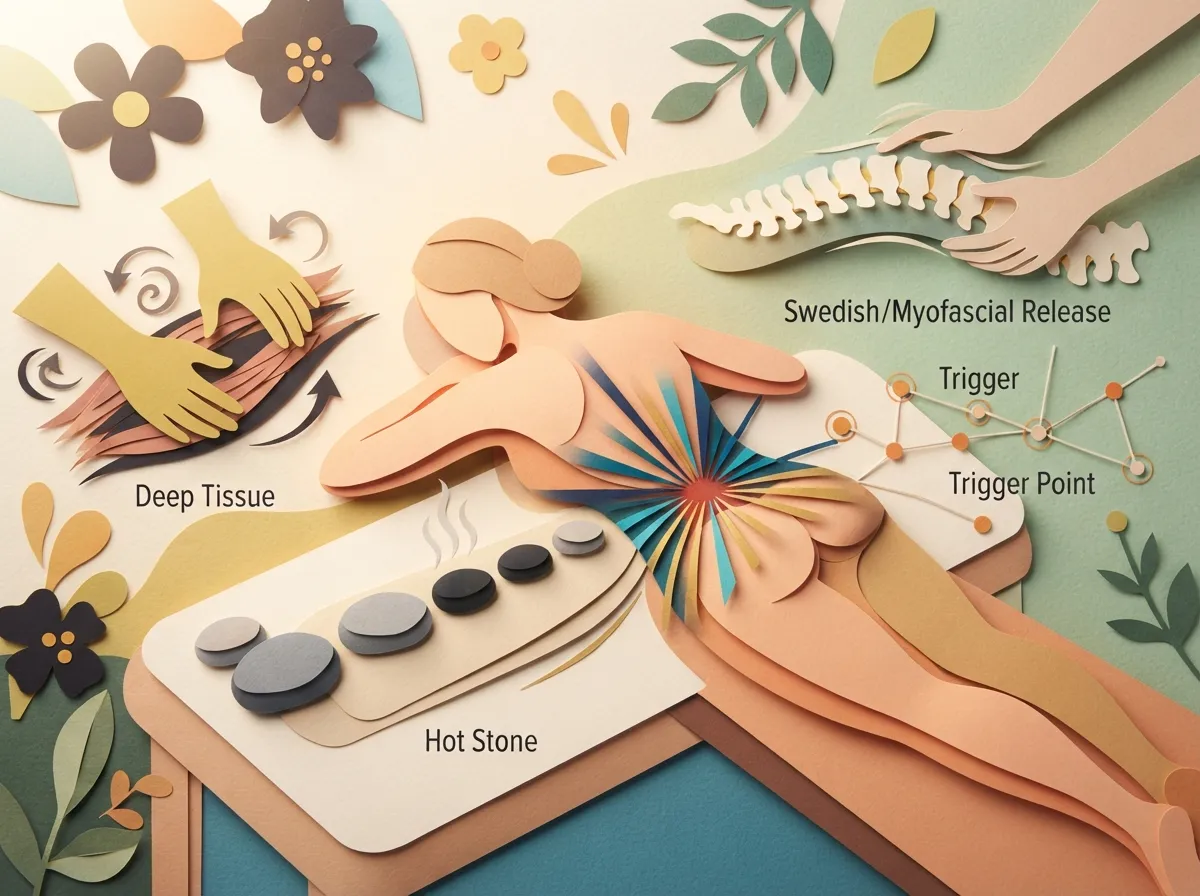
Deep tissue work is often the go-to choice for stubborn low back pain because it targets deeper muscle layers and breaks up tension patterns. If you want to learn more about how this technique works, check out our guide on deep tissue massage techniques unlocking relief.
Common Techniques Used During a Session
Massage therapists use a mix of methods to target low back pain safely and effectively. Here are the most common approaches you might experience:
- Soft-tissue work: Gentle, sweeping strokes that warm up muscles and improve blood flow.
- Trigger point therapy: Focused pressure on small “knots” that cause pain to radiate.
- Myofascial release: Slow, sustained pressure to loosen the connective tissue around muscles. Learn more in our piece on myofascial release and why it helps.
- Work on surrounding areas: Many therapists treat the buttocks and thighs too, since tight muscles there often pull on the lower back.
- Gentle stretching: Passive stretches to improve range of motion without straining the spine.
Good therapists always avoid direct pressure on the spine itself. Instead, they work around it with careful, controlled pressure. This keeps you safe while still getting real relief.
How to Prepare for Your Massage Session
A little prep goes a long way toward getting the most out of your appointment. Here’s what we recommend before you come in:
- Drink plenty of water in the hours leading up to your session.
- Avoid heavy meals right before your appointment.
- Wear comfortable clothing you can easily move in.
- Arrive a few minutes early to fill out any health forms and relax before starting.
- Tell your therapist about any pain, injuries, or health conditions upfront.
What to Expect During Your First Visit
Walking into a massage studio for the first time can feel a little nerve-wracking, especially if you’re dealing with real pain. Here’s a simple step-by-step of what typically happens:
- You’ll fill out a short health intake form describing your pain and goals.
- Your therapist will ask questions about where it hurts and how long you’ve had the pain.
- They’ll explain the plan for your session, including which techniques they’ll use.
- During the massage, speak up if any pressure feels too intense or uncomfortable.
- Afterward, your therapist may suggest stretches or follow-up visits to keep progress going.
If you want more tips before your visit, our article on things to know before visiting a massage therapy studio covers everything in detail.
Who Benefits Most From Low Back Massage?
Low back pain doesn’t discriminate. It shows up in people from all walks of life, but certain groups tend to feel it more often.
Busy Professionals
Sitting at a desk all day puts constant strain on your lower back. If you’re juggling deadlines and stress in the Falls Church area, an evening or weekend massage can help you unwind and reset. Many of our clients book a session right after work to shake off the day’s tension before heading home.
Pregnant Women
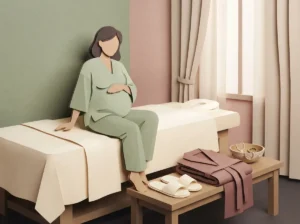
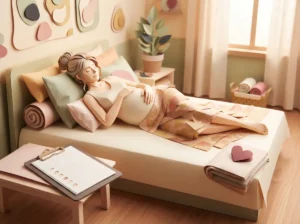
As your body changes during pregnancy, your lower back often takes on extra weight and pressure. A specialized prenatal massage is designed specifically for this stage of life, using safe positioning and gentle pressure to ease discomfort without any risk to you or your baby.
Athletes and Active Adults
Runners, gym-goers, and weekend warriors often overwork their lower back muscles without realizing it. A sport massage can speed up recovery and help prevent future strain, especially when paired with proper stretching. Learn more about this in our article on the benefits of sports massage for muscle pain.
Seniors With Chronic Pain
Arthritis, stiffness, and years of wear and tear can make low back pain a daily struggle for older adults. Gentle, therapeutic massage can improve flexibility and make everyday movement more comfortable. If chronic pain is a concern, our guide on how massage can help with chronic pain offers helpful insight.
Wellness-Focused Individuals
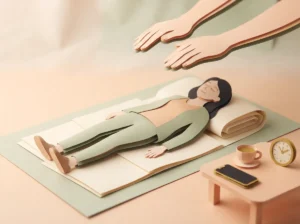
For those who see massage as part of a bigger self-care routine, pairing regular sessions with Reiki healing can support both body and mind. Reiki is a gentle energy-based practice that originated in Japan, and many clients enjoy combining it with massage for a fuller sense of balance. You can read more about this ancient practice through this overview of Reiki healing.
Add-On Treatments That Support Low Back Relief
Sometimes a massage alone isn’t quite enough. That’s where add-on treatments come in handy. These extras can boost results without requiring a whole new appointment.
| Add-On | Time | Price | Best For |
|---|---|---|---|
| Gua Sha | 15 min | $35 | Releasing surface tension and toxins |
| Cupping | 15 min | $35 | Deep tissue release and improved blood flow |
| Aromatherapy | Free add-on | $0 | Extra relaxation during any massage |
Gua Sha uses gentle scraping motions to release tight muscles near the surface, while cupping creates suction to loosen deeper tissue. Both have been used for thousands of years and pair well with a standard low back massage session. Curious about cupping specifically? Check out what is cupping therapy and how can it help you.
Massage Pricing Overview
Here’s a quick look at our current massage pricing at Luna Massage Studio, so you know what to expect before booking.
| Service | 60 min | 75 min | 90 min |
|---|---|---|---|
| Deep Tissue Massage | $125 | $145 | $165 |
| Swedish Massage | $125 | $145 | $165 |
| Sport Massage | $125 | $145 | $165 |
| Prenatal Massage | $125 | $145 | $165 |
| Reiki Healing | $125 flat rate | ||
Simple Tips to Extend Relief Between Sessions
Massage feels amazing, but keeping that relief going takes a little effort on your end too. Here are our favorite tips:
- Stretch gently every morning, focusing on your hips and lower back.
- Take short walking breaks if you sit for long stretches at work.
- Apply heat before bed to relax tight muscles.
- Stay hydrated, since dehydration can make muscles feel tighter.
- Schedule regular follow-up massages instead of waiting until pain returns.
Combining these habits with regular massage visits tends to produce the best long-term results, especially for chronic or recurring pain.
When to Be Cautious With Massage
While massage is generally safe, there are times when you should hold off or talk to your doctor first. Consider these situations:
- You have a recent back injury or fracture.
- You experience numbness, tingling, or weakness in your legs.
- You have a fever alongside your back pain.
- You’re dealing with a serious medical condition affecting the spine.
- Your pain came on suddenly after a fall or accident.
If any of these apply to you, please check with a doctor before booking a massage. Your safety always comes first.
Curious what real clients say about their experience? You can browse reviews from people who’ve walked through our doors, or see what our Falls Church community shares on Yelp and Instagram. You can also visit us on Google — Luna Massage Studio to see what our neighbors in the area have to say.
Final Thoughts on Finding Relief
Low back pain doesn’t have to run your life. While massage isn’t a guaranteed cure-all, it’s a proven, feel-good way to ease tension, calm your nervous system, and support your body’s natural healing process. Whether you’re dealing with everyday desk-job stiffness, training soreness, or pregnancy discomfort, the right massage plan can make a real difference.
Ready to feel the difference for yourself? Book your low back pain massage session today and let our team at Luna Massage Studio help you move, sit, and sleep a little easier. Have questions first? Feel free to reach out to our team anytime.
FAQs
Q: Does massage help low back pain?
A: Yes, massage can offer real relief, especially for short-term pain and muscle tightness. Research shows the best results happen when massage is paired with movement and gentle stretching, so it works even better as part of a bigger wellness routine.
Q: What type of massage is best for lower back pain?
A: Deep tissue massage tends to work well for stubborn tension, while Swedish massage is great for general relaxation. Your therapist can adjust pressure and technique based on your specific pain and comfort level.
Q: How long does massage relief last for low back pain?
A: It really varies from person to person. Some studies show relief lasting up to a year after treatment, while others notice benefits fade sooner, especially without follow-up care or stretching.
Q: Is massage good for chronic low back pain?
A: Massage can be a helpful part of managing chronic low back pain, though it works best alongside other care like exercise and posture education. Think of it as one piece of a bigger pain-relief puzzle.
Q: Are there any risks of massage for low back pain?
A: Massage is generally very safe, but it’s best to avoid it if you have a recent injury, fracture, numbness, or unexplained fever. Always chat with your therapist about your health history before starting.
Our Service Area