Key Takeaways
-
Prenatal massage may ease pregnancy-related sleep problems by reducing muscle tension, stress, and anxiety, but research is limited and it should complement, not replace, medical advice.
-
A small study of 26 pregnant participants showed massage twice weekly improved sleep, mood, and back pain, but larger studies are needed to confirm results generalize to all women.
-
Massage cannot treat medical sleep disorders like sleep apnea, restless leg syndrome, or acid reflux—consult your provider if sleep problems are severe or persistent.
-
Safe prenatal massage uses side-lying positions with supportive pillows, adjusted pressure appropriate to pregnancy stage, and screening by a trained prenatal therapist.
-
Booking massage in late afternoon or early evening, pairing it with good sleep habits (consistent bedtime, dim lights, no screens), and staying hydrated maximizes sleep benefits.
-
Every few weeks or more frequently in the third trimester works for most expectant mothers, though the ideal frequency depends on individual needs and budget.
If you are pregnant and staring at the ceiling at 2 a.m., you are far from alone. Between a growing belly, a busy mind, and a bladder that never seems to rest, good sleep can feel like a distant memory. So it is fair to ask: can prenatal massage help with sleep problems during pregnancy?
The honest answer is: it might, for some people. Prenatal massage can ease sore muscles and calm a racing mind, and both can make it easier to drift off. But the research is still small, so massage is best seen as a gentle, supportive option, not a cure for insomnia. In this guide, we will walk through what the science says, how massage may help, what to expect in a session, and when to talk to your doctor. Let’s get you a little closer to a good night’s rest.
Why Sleep Gets So Hard During Pregnancy
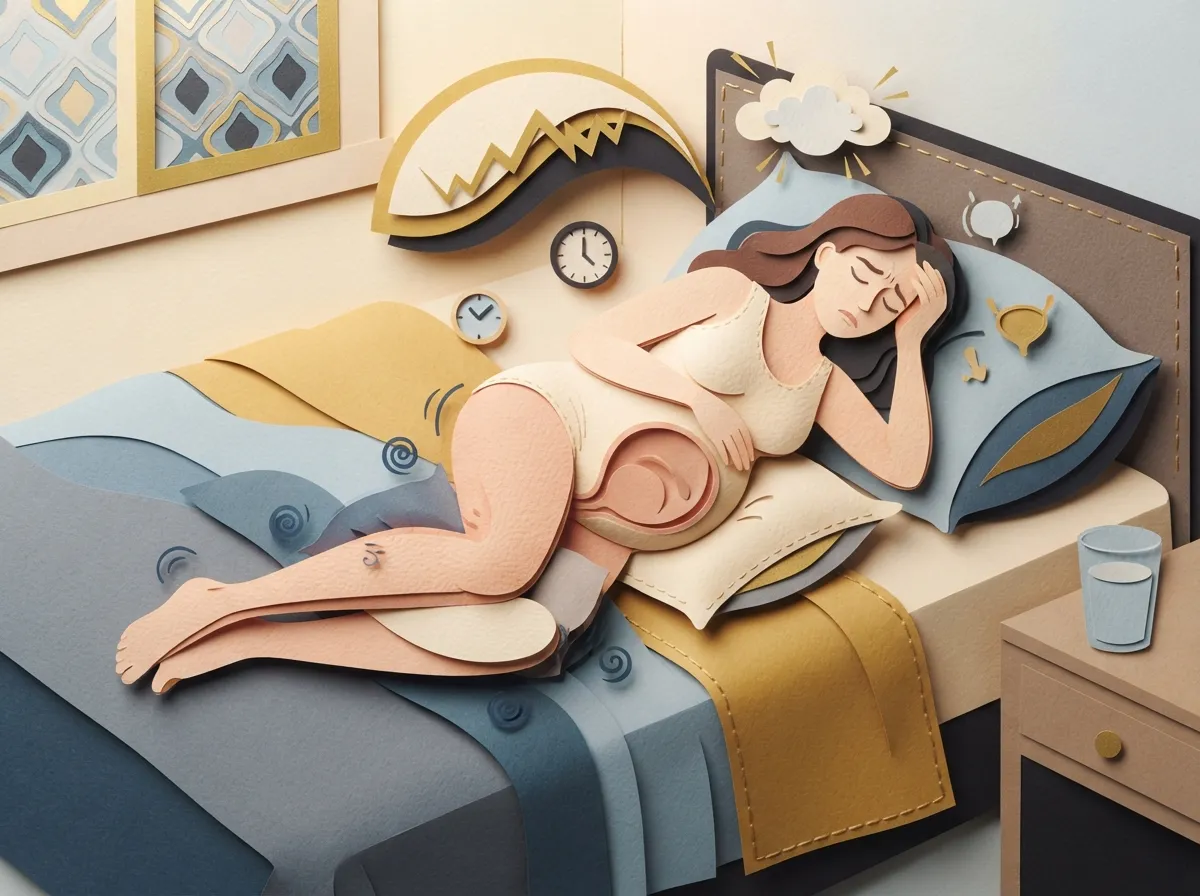
Sleep trouble is incredibly common when you are expecting. Your body is doing amazing work, and that work can keep you awake. Here are some of the most common reasons:
- Back, hip, and leg discomfort that makes it hard to get comfortable
- Frequent bathroom trips as your baby presses on your bladder
- Heartburn and reflux, especially when lying flat
- Stress and anxiety about birth, work, and life with a new baby
- Restless legs and nighttime leg cramps
- Hormone shifts that change your sleep patterns
Some of these, like muscle tension and stress, are things massage can help with. Others, like reflux or sleep apnea, need medical care. Knowing the difference helps you pick the right support.

Can Prenatal Massage Help With Sleep Problems During Pregnancy? What the Research Says
Let’s look at the evidence, and let’s be upfront about its limits. Studies on massage and pregnancy sleep are few, and many are small.
One small randomized study followed 26 pregnant participants. They were split into a massage group and a relaxation therapy group. Sessions happened twice a week for five weeks. The massage group reported better sleep, along with less anxiety, a better mood, and less back pain. That is encouraging. Still, with only 26 people, we cannot say the results would hold true for everyone.
A systematic review of non-drug approaches to sleep problems in pregnancy looked at seven studies. It found that massage, exercise, and acupuncture may all offer some sleep benefit. But the authors called the evidence low quality and too varied to support a firm recommendation. A later review covering 16 studies and 1,252 participants reached a similar view: the evidence is preliminary.
A broader review of 12 randomized trials on relaxation massage in pregnancy found benefits for stress, pain, anxiety, and depression. Sleep was not a consistent main outcome, so that review does not prove massage treats insomnia. It also noted that only two trials reported side effects, and those were minor and short-lived.
| Research Source | What It Found | Main Limitation |
|---|---|---|
| Small trial, 26 participants | Massage group reported better sleep, mood, and less back pain | Very small sample size |
| Review of 7 studies on non-drug sleep help | Massage may be linked to better sleep quality | Low-quality, varied evidence |
| Review of 16 studies, 1,252 participants | Several non-drug options may help | Evidence called preliminary |
| Review of 12 relaxation massage trials | Benefits for stress, pain, anxiety, depression | Sleep not a consistent main outcome |
The takeaway? Massage looks promising and low-risk when done well. It is a nice complement to other healthy sleep habits, but it should not replace medical advice.
How Prenatal Massage May Support Better Sleep
Massage is not a sleeping pill. But it can work on several things that quietly steal your rest. Think of it as helping your body and mind get ready for bed.
It Eases Pregnancy Aches That Keep You Up
As your belly grows, your posture shifts. Your lower back, hips, and glutes often take the strain. When these muscles stay tight, finding a comfy sleep position can feel impossible. Gentle, targeted work can loosen those tight spots. Many moms-to-be tell us they simply feel more comfortable afterward. If back pain is your biggest sleep thief, our guide on how to ease pregnancy back pain with prenatal massage goes deeper.
It Encourages Relaxation
Slow, rhythmic touch can signal your body to shift out of “go mode.” When you feel calmer, your breathing slows and your shoulders drop. That relaxed state can make it easier to fall asleep. This is why many people find a relaxing session works best in the afternoon or early evening. To learn more about this effect, see why a relaxing massage is such a great stress relief tool.
It May Ease Stress and Anxiety
A busy mind is a top reason for late-night wakefulness. Since studies link massage to lower anxiety and stress in pregnancy, it may help quiet those 3 a.m. worries. Even an hour of calm, quiet time can feel like a reset button.
It Helps With Swelling and Leg Discomfort
Some moms notice sore, tired legs at night. A trained therapist can use light, careful techniques to help you feel more comfortable. If you deal with puffy feet, you may like our post on whether prenatal massage can reduce swollen feet and ankles.
What Massage Cannot Do for Sleep
It is just as important to know the limits. Massage does not diagnose or treat the medical causes of poor sleep. It will not cure:
- Sleep apnea, which needs a medical evaluation
- Restless legs syndrome, which may need testing and care
- Acid reflux, which your provider can help manage
- Clinical insomnia, which has stronger treatments available
Cognitive behavioral therapy for insomnia (CBT-I) and good sleep habits have a stronger evidence base for insomnia than massage does. So if your sleep trouble is severe or lasts a long time, please talk to your obstetric provider. Massage can be a lovely addition, not a replacement.
What a Safe Prenatal Massage Looks Like
Not every massage is right for pregnancy. A therapist trained in prenatal care adjusts the session to fit you and your baby. Here is what to expect.
Safe Positioning
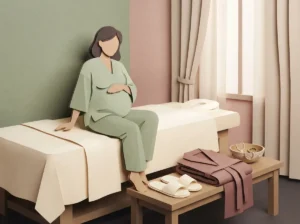
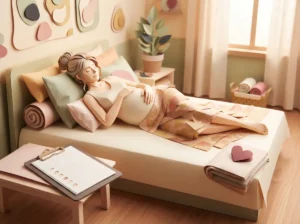
Later in pregnancy, lying flat on your back for long stretches is usually avoided. Instead, therapists commonly use side-lying positions with pillows and bolsters to support your belly, hips, and knees. You should feel snug and comfortable, never strained.
Comfortable Pressure
Pressure is adjusted to suit your body and stage of pregnancy. Therapists also avoid deep pressure over the legs. You are always in charge. If something feels like too much, just say so and your therapist will change it right away.
Smart Screening
A good therapist will ask about your health, your due date, and any concerns before you start. If you have a complicated or high-risk pregnancy, check with your obstetric provider first. Evidence and safety data are more limited in those cases, so extra care matters. Wondering about timing or who should skip massage? Read who should not get a prenatal massage right now and 4 key facts on when to start prenatal massage.
How to Get the Most Sleep Benefit From Your Session
A few small choices can help your massage support better rest. Try these steps:
- Check with your provider first. Get a quick okay from your doctor or midwife, especially if your pregnancy has any complications.
- Pick a trained prenatal therapist. Look for someone with real experience in pregnancy care.
- Share your sleep struggles. Tell your therapist where it hurts at night and what position keeps you up.
- Book a calm time slot. Late afternoon or early evening may leave you relaxed going into bedtime.
- Drink water and rest afterward. Skip the busy errands and give yourself a quiet evening.
- Pair it with good sleep habits. Keep a steady bedtime, dim the lights, and limit screens before bed.
How Often Should You Book?
There is no one perfect schedule. In the small study mentioned earlier, participants had sessions twice a week for five weeks. That is more often than most people can fit into a budget or calendar. Many expectant moms find that a session every few weeks, or more often in the third trimester, feels right. Your therapist and your provider can help you choose a rhythm that fits your needs. For help with planning, see how to plan your prenatal massage schedule safely.
Prenatal Massage Options at Luna Massage Studio
At Luna Massage Studio in Falls Church, VA, our prenatal massage is designed to ease pregnancy discomfort and help you unwind. We offer 60-, 75-, and 90-minute sessions, so you can choose the length that suits you. Want to add a little extra calm? Aromatherapy is free with any massage when you ask for it. Just be sure to mention you are expecting so we can tailor everything to you.
Curious what other moms think? You can visit us on Google and see what Luna Massage Studio clients say, or check our Yelp page. You can also follow our updates on Instagram. If you are weighing your options, our article on prenatal massage vs. regular massage can help you see why specialized care matters.
When to Talk to Your Healthcare Provider
Massage is a great comfort tool, but some signs call for a professional check. Reach out to your obstetric provider if you notice:
- Sleep problems that are severe or last for weeks
- Loud snoring, gasping, or pauses in breathing at night
- Strong urges to move your legs that disrupt sleep
- Ongoing low mood, deep worry, or feeling hopeless
- Leg pain or swelling on one side only
These can point to conditions that need proper evaluation. Your provider can also suggest proven options such as CBT-I and sleep-habit strategies. Think of massage as one helpful piece of your care team’s plan.
Ready to Rest a Little Easier?
So, can prenatal massage help with sleep problems during pregnancy? For many people, it may help by easing aches, calming stress, and giving your body a chance to relax. The science is still growing, and massage is not a proven treatment for insomnia. But as a gentle, supportive option with a good safety record when done by a trained therapist, it is worth considering.
You deserve comfort and rest during this special time. If you are ready to give your body some care, book your prenatal massage with Luna Massage Studio today. Have questions first? Just get in touch with our friendly team, and we will be happy to help you feel supported every step of the way.
FAQs
Q: Can prenatal massage improve sleep quality during pregnancy?
A: It may help some people, especially when aches, tension, or stress are keeping them awake. A small study found better self-reported sleep after a course of massage, but the research is limited. Think of it as a gentle, supportive option rather than a proven fix.
Q: Is prenatal massage safe in every trimester?
A: Prenatal massage is commonly done throughout pregnancy when performed by a trained therapist, and reported side effects in studies were minor and short-lived. If you have a complicated or high-risk pregnancy, check with your obstetric provider first. Your therapist will also adjust positioning and pressure to fit your stage.
Q: What position is safest for a prenatal massage?
A: Side-lying with pillows and bolsters is commonly used, especially later in pregnancy, to avoid lying flat on your back for long periods. A well-supported position should feel comfortable and relaxed. Always tell your therapist if anything feels off.
Q: Is prenatal massage a treatment for sleep apnea or other sleep disorders?
A: No. Massage may ease discomfort and promote relaxation, but it does not diagnose or treat sleep apnea, restless legs syndrome, reflux, or clinical insomnia. If your sleep problems are severe or ongoing, talk with your healthcare provider.
Q: What should I do if I still have trouble sleeping after prenatal massage?
A: Don’t worry, it is common! Keep up healthy sleep habits and share your concerns with your obstetric provider. They can look for underlying causes and suggest options like CBT-I, which has stronger evidence for insomnia than massage.
Our Service Area