Key Takeaways
-
Reiki feels different for everyone: common sensations include warmth, tingling, pulsing, deep calm, sleepiness, or nothing noticeable at all, and all are normal.
-
You stay fully clothed on a massage table while the practitioner's hands rest lightly on you or hover above; there is no kneading, pressure, or muscle work.
-
You are always in control: you can request no-touch work, skip certain areas, ask questions, or stop the session at any time.
-
Wear soft, loose clothing and arrive a few minutes early, and skip heavy meals so you feel comfortable lying down.
-
The NCCIH says there is no scientific evidence for Reiki's proposed energy field and that it has not been clearly shown effective for health purposes, so treat it as a complementary relaxation practice, not medical treatment.
-
Reiki sessions typically last about 50 minutes, so a first visit is best approached as a restful pause rather than a guaranteed physical experience.
If you have never had Reiki, it is normal to feel a little curious and maybe a bit nervous. You might be asking yourself, “What does Reiki feel like during a session, and what am I supposed to notice?” Good news: there is no wrong answer, and there is nothing you have to do right.
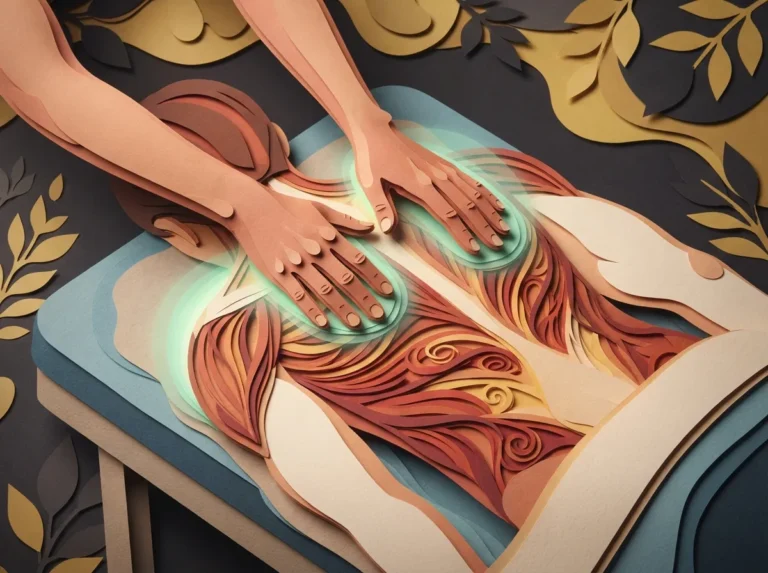
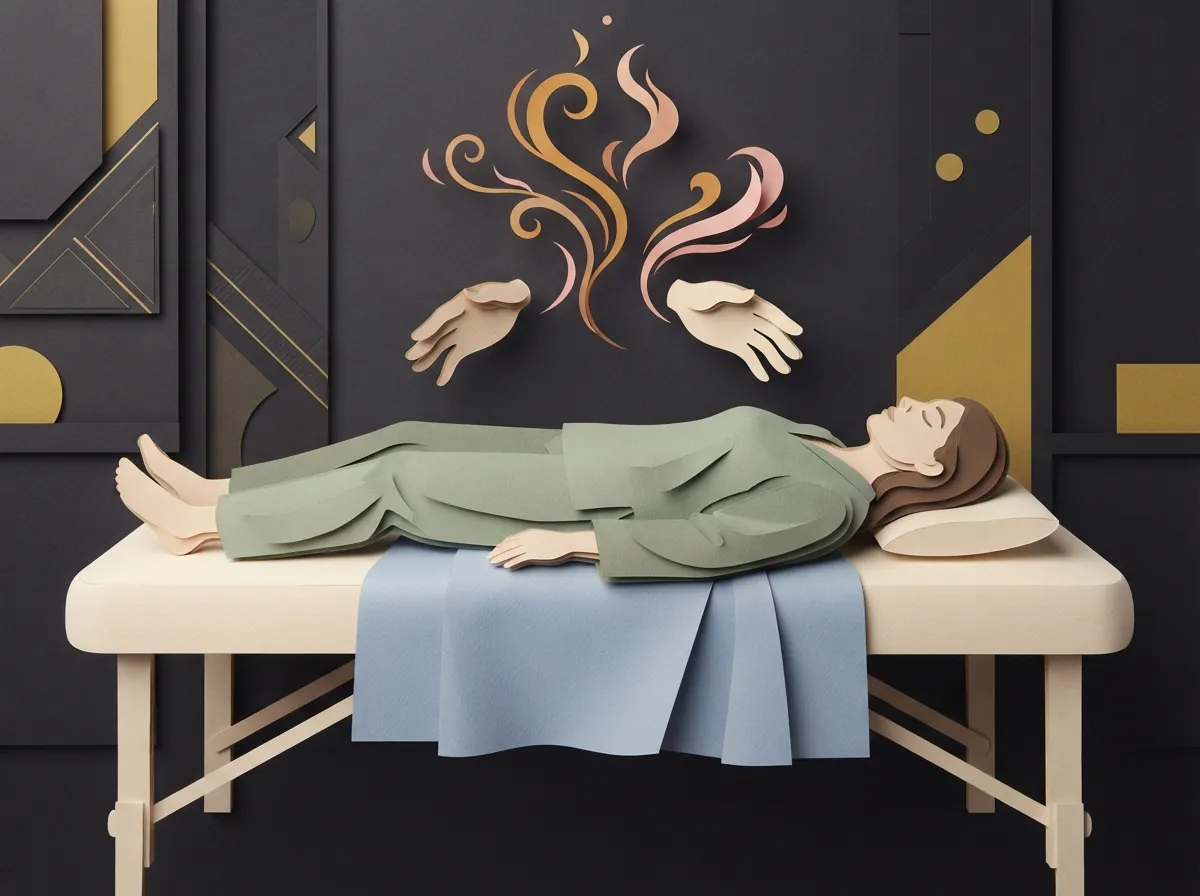
Reiki is a quiet, gentle practice. You rest on a massage table, fully clothed, while the practitioner places their hands lightly on your body or holds them just above it. There is no kneading, no pressure, and no muscle work. Some people feel warmth or tingling. Some feel deeply sleepy. Others feel very little at all, and that is perfectly normal too.
Whether you are a busy professional who needs a pause, a mom-to-be looking for calm, an athlete winding down after hard training, or someone who simply loves a good self-care ritual, this guide walks you through the whole experience. We will cover what you can expect, the sensations people report, and what science does and does not say. Let’s dive in!

What Happens During a Reiki Session?
A Reiki session is simple and calm from start to finish. Here is how a typical visit goes at a massage studio:
- A short chat. Your practitioner asks how you are feeling and what you hope to get from the session. This is a great time to share any comfort preferences.
- You get settled. You lie on a padded massage table, fully clothed. Many studios dim the lights and play soft music.
- The hands-on or hands-near work begins. The practitioner moves through a series of positions. Their hands rest lightly on the body or hover a few inches above it.
- You simply rest. There is nothing to do. You can close your eyes, breathe, doze off, or let your mind wander.
- A gentle finish. The practitioner lets you know when the session is done. You are given a moment to sit up slowly and take your time.
According to Cleveland Clinic, a typical Reiki treatment lasts about 50 minutes and may use 12 to 15 hand positions. If you are wondering about timing, our guide on how long a typical Reiki session lasts breaks it down further.

The Sensations People Describe
Here is the honest truth about what Reiki feels like during a session: it is different for everyone. Reiki is a subjective experience, so two people on the same table can have very different sessions. Here are the sensations clients commonly describe:
- Warmth. A gentle heat under or near the practitioner’s hands is one of the most reported feelings.
- Tingling. Some people notice a light, buzzing, or “pins and needles” feeling.
- Pulsing. A soft rhythmic beat in certain areas of the body.
- Sensations moving through the body. A feeling of something shifting, flowing, or settling.
- Deep calm. Many describe a peaceful, “melting” feeling.
- Sleepiness. It is very common to doze off. Think of it as a compliment to the quiet room.
- Little or nothing. Some folks feel no distinct physical sensation, and that is completely okay.
These feelings are personal experiences. They are not proof that a specific energy is moving or that a medical condition is being treated. They are simply what some people notice while resting in a calm space.
Is It Normal to Feel Nothing?
Absolutely! Plenty of people feel nothing special during their first Reiki session. You may feel like you just had a quiet, peaceful rest, and that can still be valuable. In a busy world, an hour of stillness is a gift all by itself.
Do not worry about “doing it right.” You cannot fail at Reiki. Try to relax, breathe, and let the experience unfold without pressure. If you are someone who is a bit more sensitive to touch, sound, or atmosphere, you might also enjoy our Reiki session tips for highly sensitive people.
Reiki vs. Massage: How the Feeling Differs
Since Luna Massage Studio offers both services, we get this question a lot. Reiki and massage feel very different on the table. Here is a quick side-by-side look:
| Feature | Reiki | Massage Therapy |
|---|---|---|
| Touch | Light touch or hands hovering above the body | Hands-on pressure and muscle work |
| Clothing | Fully clothed | Undressed to comfort, draped with sheets |
| Common feelings | Warmth, tingling, calm, sleepiness | Muscle release, pressure, loosening of tension |
| Focus | Quiet relaxation | Relieving muscle tightness and pain |
| Movement | You stay still and rest | Therapist may reposition arms, legs, and shoulders |
Want to explore this more? Our article on how Reiki healing differs from massage therapy goes deeper, and Reiki vs. massage: which session fits you better can help you decide.
Touch or No Touch: You Are in Charge
One of the most important things to know is that you are always in control. Reiki can be done with light touch or entirely above the body. If you prefer no touch at all, just say so. Your practitioner will happily work with their hands hovering above you.
You can also:
- Ask questions at any point during the session
- Request that certain areas be skipped, especially if touch there feels unwelcome
- Ask the practitioner to pause or stop the session at any time
- Share your comfort level with lighting, music, or room temperature
Good practitioners welcome this kind of honesty. It helps you feel safe, and a relaxed body is a happy body. Before you book anywhere, it can help to review these 10 questions to ask a Reiki healer.
What Should You Wear and Bring?
Since you stay fully clothed, comfort is key. Soft, loose clothing works best. Think yoga pants, a cozy sweater, or a relaxed t-shirt. Skip anything tight, scratchy, or restrictive. Many people also remove shoes, glasses, and heavy jewelry so they can settle in more easily.
We cover this in more detail in what to wear to a Reiki healing appointment.
What Does the Science Say?
Let’s keep it honest and balanced. The National Center for Complementary and Integrative Health (NCCIH) says there is no scientific evidence for the energy field that is proposed to explain how Reiki works. It also says Reiki has not been clearly shown to be effective for health-related purposes, and research results are mixed and often limited by study quality.
That said, some research is interesting. A 2024 meta-analysis of 824 adults reported a pooled effect on anxiety (SMD −0.82, 95% CI −1.29 to −0.36; p=0.001). The authors noted that results varied by group, and this finding does not prove that Reiki treats anxiety or confirm the proposed energy mechanism. A 2022 systematic review of placebo-controlled trials found mixed results, with some studies showing no meaningful difference between Reiki and a sham treatment.
So how should you think about it? Reiki is best seen as a complementary relaxation practice. Many people enjoy the calm, quiet time. But it is not a replacement for medical care. If you have pain, anxiety, or any health concern, please talk with your doctor too. To dig deeper, read Reiki vs. placebo: an honest look and can Reiki replace medical treatment.
Who Might Enjoy a Reiki Session?
Reiki is generally considered low risk, and it can fit into many different lifestyles. Here is how different people often use it:
- Busy professionals: A quiet hour away from screens and deadlines can feel like a reset button, especially with an evening or weekend slot.
- Expectant mothers: The gentle, no-pressure approach appeals to many who want calm during pregnancy. Always check with your healthcare provider first.
- Athletes and active adults: Reiki can pair well with a sport massage for a full recovery day that mixes muscle work with true rest.
- Seniors: The light touch is easy on stiff joints and sensitive skin.
- Wellness-focused folks: Many see Reiki as one part of a regular self-care routine alongside massage.
Curious about the bigger picture? Check out what healing Reiki is and how it can help you and whether Reiki can help with anxiety and stress.
A Little Background on Reiki
Reiki began in Japan in the late 1800s and was developed by Mikao Usui. Practitioners work from the idea that an unseen “life force energy” flows through us. In this view, when that energy is low we may feel stressed or unwell, and when it is high we feel happier and healthier. You can read a short overview of the practice on the Reiki page on Wikipedia.
You do not have to believe in this idea to enjoy a session. Many people simply appreciate the stillness, the calm room, and the caring attention.
How to Get the Most Out of Your First Session
Want to feel your best? Try these easy tips:
- Arrive a few minutes early. Rushing in can leave your mind racing.
- Share your preferences. Tell your practitioner if you want no-touch work or have areas to avoid.
- Skip heavy meals. A light snack is plenty so you feel comfortable lying down.
- Let go of expectations. Notice whatever shows up, whether it is warmth, calm, or nothing at all.
- Drink water afterward. It is a simple way to care for yourself after a restful session.
- Take your time getting up. Sit slowly and enjoy the quiet for a minute.
For a full walkthrough, see 12 things to expect at your first Reiki session.
Reiki at Luna Massage Studio
At Luna Massage Studio in Falls Church, VA, Reiki Healing is offered as a flat-rate $125 session in a calm, welcoming space. Our mission is to help clients relax, sleep better, and ease stress through massage therapy, Reiki, and other wellness techniques. Reiki is a complementary practice, so we always encourage you to keep working with your doctor on any health concerns.
Some clients love combining Reiki with a massage. Learn more in what to expect in a Reiki massage session. You can also see what neighbors say by reading Luna Massage Studio reviews on Visit us on Google — Luna Massage Studio, or follow along on Instagram.
Ready to Find Out for Yourself?
The best way to answer “what does Reiki feel like during a session” is to try it. Your experience will be uniquely yours, whether that is warmth, tingling, sleepy calm, or simply a peaceful pause in a busy week. There is no pressure and no right way to feel.
Ready to give it a try? Book your Reiki session now or get in touch with our team at 703-254-0422 with any questions. We would love to help you take that first calm step.
FAQs
Q: What does Reiki feel like during a session?
A: It feels different for everyone! Many people notice gentle warmth, tingling, pulsing, or deep calm, and some even drift off to sleep. Others feel very little, and that is perfectly normal too.
Q: Do you keep your clothes on during Reiki?
A: Yes, you stay fully clothed and lie comfortably on a massage table. We suggest soft, loose clothing so you can relax easily.
Q: Does Reiki involve massage or pressure?
A: Nope! Reiki is a quiet practice where the practitioner places hands lightly on your body or holds them just above it. There is no kneading, pressure, or joint manipulation.
Q: Is it okay to ask for no-touch Reiki?
A: Absolutely. You can request hands-above-body positions, skip certain areas, ask questions, or stop the session at any time. Your comfort always comes first.
Q: Is Reiki proven to treat pain or anxiety?
A: Not clearly. The NCCIH says Reiki has not been shown to be effective for health-related purposes, and research results are mixed. Many people enjoy it as a relaxing complementary practice, but it should not replace medical care.
Our Service Area