Key Takeaways
-
Reiki uses light or no touch focusing on energy and relaxation, unlike massage which involves hands-on kneading and pressure techniques; you stay fully clothed during Reiki sessions.
-
Book 3-4 sessions spaced 1-2 weeks apart to notice meaningful changes in stress, sleep, and mood rather than expecting results from a single session.
-
Reiki is considered safe with minimal side effects, but research shows mixed results; it should complement medical care, not replace prescribed medications or doctor diagnoses.
-
Common experiences include warmth, tingling, deep relaxation, emotional release, or feeling centered; all responses are valid even if you don't feel physical sensations.
-
Busy professionals, expecting mothers, athletes, seniors with chronic discomfort, and wellness enthusiasts benefit most from Reiki's non-invasive, calming approach.
-
Verify your practitioner's certification level, read client reviews, confirm they're transparent about Reiki's limitations, and ensure a clean, professional studio environment before booking.
Ever have one of those weeks where your shoulders live up by your ears and your mind never really stops racing? If you’re nodding along, a one on one reiki energy healing session might be exactly the quiet reset you’ve been craving. Unlike a massage, there’s no kneading or deep pressure involved. Instead, it’s a gentle, private experience built around stillness, light touch, and focused attention. At Luna Massage Studio, we’ve watched clients from busy executives to expecting moms find real comfort in this simple, calming practice. Let’s walk through what actually happens in a session, what the research says, and how to decide if it’s right for you.
What Is a One on One Reiki Energy Healing Session?
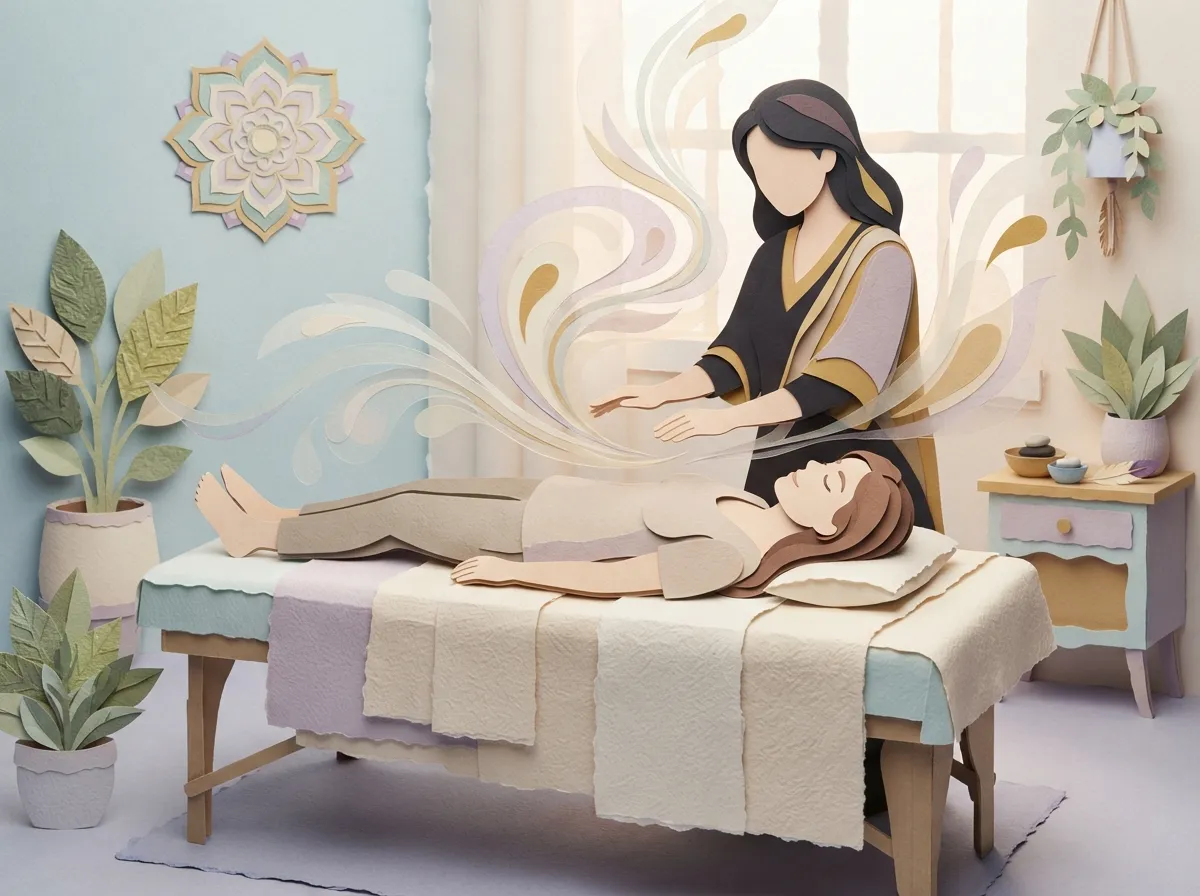
A one on one reiki energy healing session is a private wellness appointment with a trained practitioner. It’s just you and your therapist in a quiet, calm room. The practitioner uses light touch, or sometimes no touch at all, holding their hands slightly above your body.
This is different from a typical massage appointment. There’s no oil, no stretching, and no pressure applied to your muscles. Instead, the focus is on rest, breathing, and simply being still. Some practitioners offer a fully hands-off version if you prefer zero physical contact.
According to the National Center for Complementary and Integrative Health, Reiki is rooted in the idea of a universal life energy that supports healing and balance. While the science behind this energy field isn’t proven, many people still find the practice deeply relaxing and worthwhile.
How Reiki Differs From Massage Therapy
It’s easy to lump Reiki and massage together since both happen on a massage table in a peaceful setting. But they serve different purposes and use very different techniques.
- Massage uses kneading, pressure, and stretching to work on muscles and connective tissue.
- Reiki uses light or no touch, focusing on energy rather than muscle manipulation.
- Massage often targets specific pain points like your lower back or shoulders.
- Reiki tends to work on the whole body and mind at once, aiming for overall balance.
- You typically undress for massage; for Reiki, you stay fully clothed.
Some clients love combining both. You might book a relaxing Swedish massage and follow it with Reiki for an extra layer of calm. Curious how the two stack up? Check out this breakdown of Reiki vs. massage and which session fits you better.
What Happens During Your Session, Step by Step
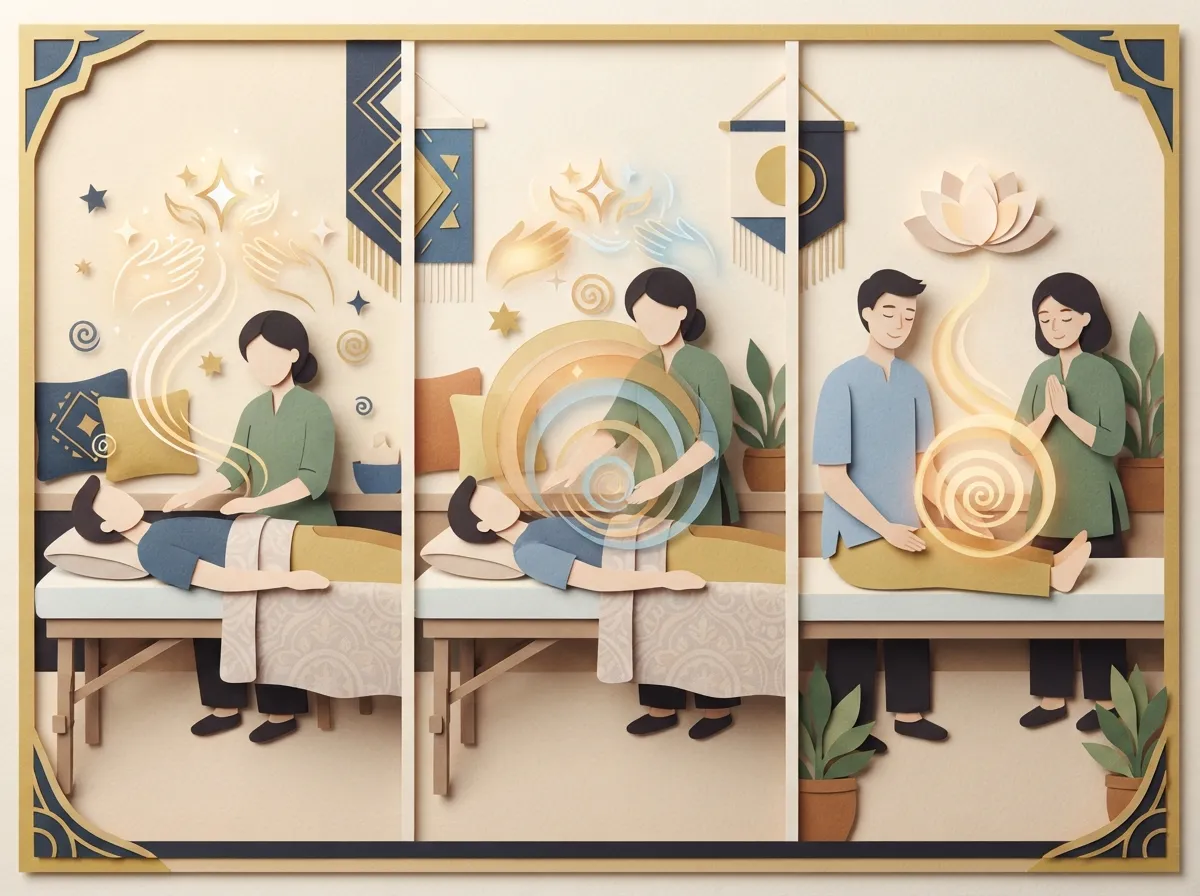
Walking into something new can feel a little nerve-wracking. So here’s exactly what to expect, step by step, so you can relax before you even arrive.
- You’ll start with a short chat about your goals, comfort level, and any health concerns.
- You’ll lie down fully clothed on a comfortable massage table.
- Soft music or quiet silence will set the mood, along with dim lighting.
- Your practitioner will place or hover their hands over different areas, usually starting at your head.
- They’ll slowly move down your body, spending a few minutes in each spot.
- You’ll simply breathe, rest, and let your mind wander or settle.
- The session wraps up with a gentle check-in about how you’re feeling.
Most sessions last between 30 and 90 minutes, though this can vary by practitioner. At Luna Massage Studio, our Reiki healing sessions are priced as a flat rate, making it simple to plan your visit without guessing at costs.
What Does Reiki Actually Feel Like?
This is probably the question we hear most often, and honestly, everyone’s experience is a little different. Some folks feel warmth or gentle tingling where the practitioner’s hands rest. Others feel deeply relaxed, almost like drifting into a light nap.
Some people notice emotional release, like a wave of calm or even a few happy tears. And some clients feel… not much at all physically, but still walk away feeling more centered. All of these responses are completely normal and valid.
What the Research Really Says About Reiki
We believe in being upfront with our Falls Church community, so let’s talk honestly about the evidence. Reiki is generally considered safe, but the science on its effectiveness is still developing.
| Source | Key Finding |
|---|---|
| NCCIH | No clear evidence Reiki effectively treats any specific health condition |
| 2018 Hospital Study | Both Reiki and massage patients reported improved pain, anxiety, and mood after one session |
| 2017 Placebo Review (13 studies) | 8 studies favored Reiki, 4 were inconclusive, 1 found no benefit |
| 2025 Meta-Analysis | Some quality-of-life improvements noted, though results varied widely |
| OSTEBA Health Assessment | Evidence rated low-to-moderate quality; not enough for firm medical claims |
In plain terms, the research is mixed. Some studies show promising results for stress, mood, and comfort. Others simply don’t find a measurable difference beyond relaxation itself. Most importantly, nearly all studies report very few, if any, safety concerns tied to Reiki itself, according to the safety research summary.
What Reiki Is Not Meant to Replace
We want to be clear about this because your health matters to us. Reiki should never replace medical care, prescribed medication, or a doctor’s diagnosis.
- It’s a complementary wellness practice, not a medical treatment.
- It won’t cure diseases or replace necessary medications.
- It works best alongside your existing healthcare plan, not instead of it.
- Always keep your doctor informed about your wellness routines.
Think of it as a helpful addition to your self-care toolkit, not a stand-alone fix.
Who Benefits Most From a Private Reiki Session?
While anyone can enjoy Reiki, certain lifestyles and needs make it especially appealing. Let’s break down who tends to love this service most.
Busy Professionals Seeking Calm
If your calendar looks like a game of Tetris, a quiet Reiki session might be your favorite hour of the week. It offers a chance to unplug completely, no emails, no notifications, just stillness. Many of our Falls Church clients book evening or weekend sessions right after a stressful workday.
Expecting Mothers Looking for Gentle Support
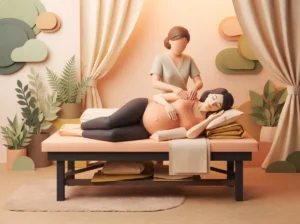
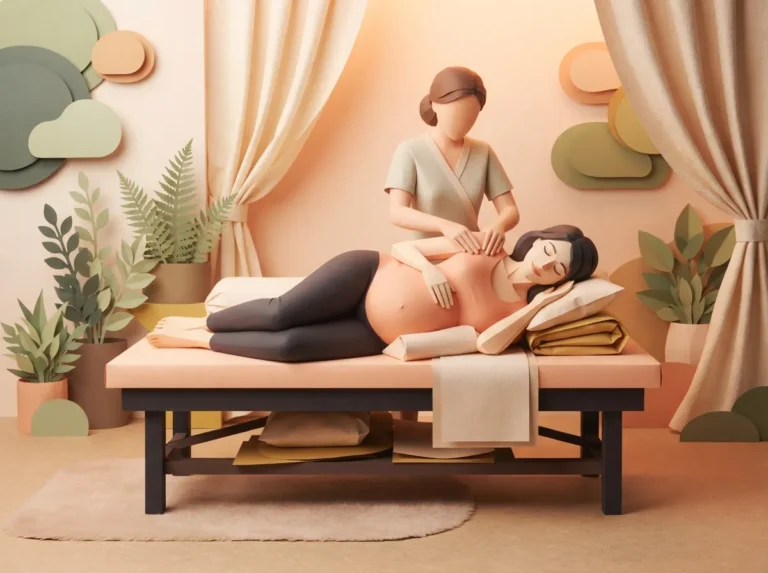
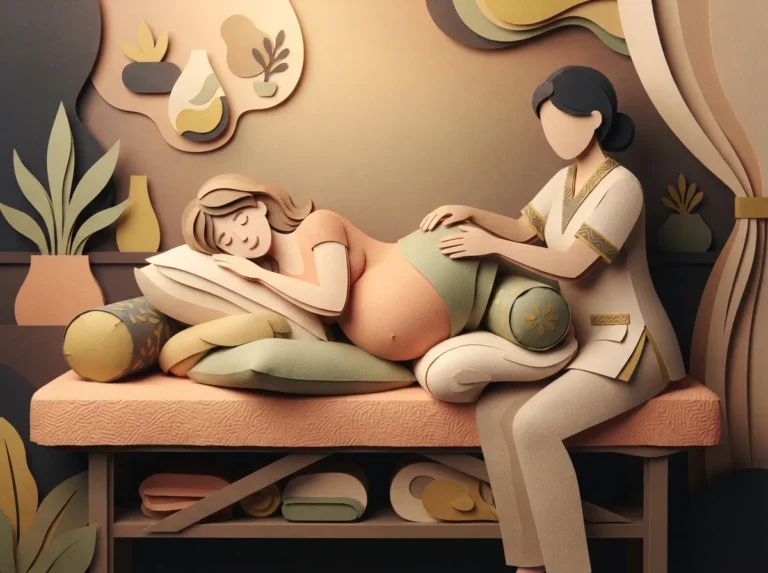
Pregnancy comes with plenty of physical and emotional ups and downs. Since Reiki involves very light or no touch, it’s often a comfortable option alongside a prenatal massage. Many moms-to-be say it helps them feel calmer and more connected during this big life change.
Athletes and Active Adults
Training hard takes a toll on your nervous system, not just your muscles. Pairing Reiki with a sport massage may help you feel more balanced after intense workouts or competitions.
Seniors Managing Chronic Discomfort
For older adults dealing with arthritis or stiffness, gentle, low-impact wellness options are often appealing. Reiki’s non-invasive nature makes it a comfortable choice for those who want relaxation without added physical pressure.
Wellness Enthusiasts Building a Self-Care Routine
If holistic health is already part of your lifestyle, Reiki fits right in. Many wellness-focused clients pair it with aromatherapy massage or add-ons like cupping therapy for a fuller wellness experience.
How to Choose a Qualified Reiki Practitioner
Not all Reiki providers offer the same level of training or professionalism. Here’s what to look for before booking your session.
- Ask about their certification level and years of practice.
- Check reviews from real clients to gauge their experience.
- Make sure they’re transparent about what Reiki can and can’t do.
- Confirm they respect your comfort level around touch.
- Look for a clean, calm, professional studio environment.
You can browse honest client feedback on our reviews page, or see what people are saying on Yelp. We’re also proud to share updates and behind-the-scenes moments on Instagram.
Combining Reiki With Massage Therapy
Many clients ask if they can enjoy both services in one visit. The answer is often yes, depending on your practitioner’s training and your personal preferences.
| Service | Focus | Touch Level | Typical Length |
|---|---|---|---|
| Reiki Healing | Energy balance, relaxation | Light or no touch | 30-90 min |
| Deep Tissue Massage | Muscle tension, chronic pain | Firm pressure | 60-90 min |
| Swedish Massage | General relaxation | Moderate pressure | 60-90 min |
| Prenatal Massage | Pregnancy comfort | Gentle pressure | 60-90 min |
If you’re torn between options, our guide on combining Reiki and massage in one session breaks it all down. You might also enjoy learning how Reiki compares to deep tissue massage if muscle tension is your main concern.
How Many Sessions Should You Try?
Like most wellness practices, Reiki often works best with a little consistency. One session can feel great, but a series may help you notice deeper changes over time.
- Try 3 to 4 sessions spaced a week or two apart to start.
- Notice changes in sleep, mood, or stress levels along the way.
- Adjust frequency based on how your body and mind respond.
- Talk with your practitioner about a plan that fits your goals.
Safety Considerations Before You Book
Reiki is considered low-risk, but it’s still smart to go in informed. Here’s what to keep in mind.
- Reiki shouldn’t replace prescribed medical treatment or medication.
- Always tell your practitioner about health conditions or concerns.
- Emotional release during a session is normal, though occasionally intense.
- Choose a provider who avoids making medical claims or diagnoses.
According to Healthline’s review of Reiki risks, most people experience no negative side effects, though results and experiences vary widely from person to person. For a deeper dive into the practice’s roots and philosophy, the Reiki healing overview on Wikipedia offers helpful background.
Ready to Experience Reiki for Yourself?
A one on one reiki energy healing session isn’t about fixing everything overnight. It’s about giving yourself permission to slow down, breathe, and simply exist without pressure for an hour. Whether you’re managing daily stress, recovering from a tough workout, or just craving stillness, this gentle practice might be exactly what your routine is missing.
At Luna Massage Studio in Falls Church, we’re honored to be part of so many wellness journeys. Feel free to reach out to our team with any questions about scheduling or pricing. You can also check out what our community is saying by visiting Luna Massage Studio on Google. When you’re ready to experience the calm for yourself, go ahead and book your session today — your mind and body will thank you.
FAQs
Q: What happens during a one on one reiki energy healing session?
A: You’ll relax fully clothed on a massage table while your practitioner places or holds their hands gently over different areas of your body. It’s a quiet, personal experience focused on stillness and relaxation, not physical manipulation like a massage.
Q: Is Reiki the same as massage therapy?
A: Not quite! Reiki uses light or no touch and focuses on energy and relaxation, while massage involves hands-on techniques like kneading and pressure to work your muscles. Many clients love combining both for a well-rounded wellness experience.
Q: How long does a private Reiki session last?
A: Most sessions run between 30 and 90 minutes, depending on your practitioner and goals. You’ll stay fully clothed, so there’s no need to worry about undressing like you would for a massage.
Q: Can Reiki really help with stress or anxiety?
A: Many clients report feeling calmer and more relaxed after a session, though research results are still mixed. It’s best viewed as a soothing complement to your wellness routine rather than a guaranteed medical treatment.
Q: How many Reiki sessions should I try before deciding if it works for me?
A: We usually recommend trying three to four sessions spaced a week or two apart. This gives you a real chance to notice any changes in your stress, sleep, or overall mood over time.
Our Service Area