Key Takeaways
-
Research does not show Reiki treats depression or heals emotional trauma or PTSD; studies are small, short, and mixed, so it should be viewed as a calming optional extra.
-
Reiki must never replace therapy, prescribed medication, or medical care; anyone feeling hopeless or having thoughts of self-harm should contact a professional or call or text 988 in the U.S.
-
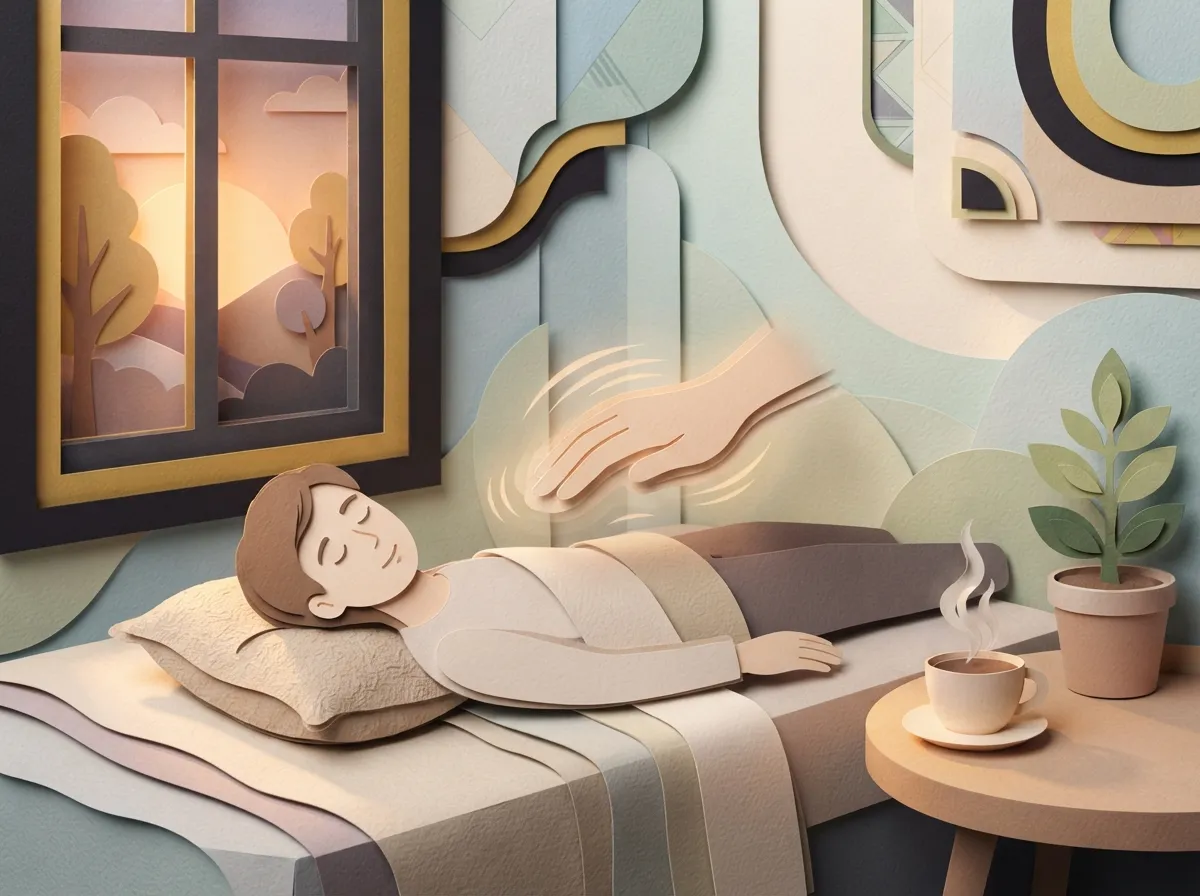
Feelings of calm after a session may come from lying still in a quiet room, slow breathing, caring attention, and positive expectations rather than proven energy effects.
-
If trying Reiki, share your goals and comfort needs, ask for a no-touch option if preferred, and keep your therapist or doctor informed; stillness can sometimes stir up hard emotions.
If you have been feeling low, stuck, or weighed down by something from your past, you have probably wondered about gentle healing options. One question we hear a lot at our studio is simple: does Reiki help with depression and emotional trauma? It is a fair and caring question, and you deserve a clear, honest answer.
Here is the short version. Reiki can feel deeply calming, and many people describe feeling lighter, quieter, and more cared for after a session. But the science does not show that Reiki treats depression or heals trauma. It is best seen as a soothing, optional extra, not a replacement for therapy, medication, or medical care.
Whether you are a busy professional running on empty, an expecting mom feeling overwhelmed, an athlete hitting a wall, a senior coping with long-term pain, or someone who simply loves a mindful self-care routine, this guide is for you. Let’s walk through ten honest facts so you can decide what feels right for your mind, body, and heart.
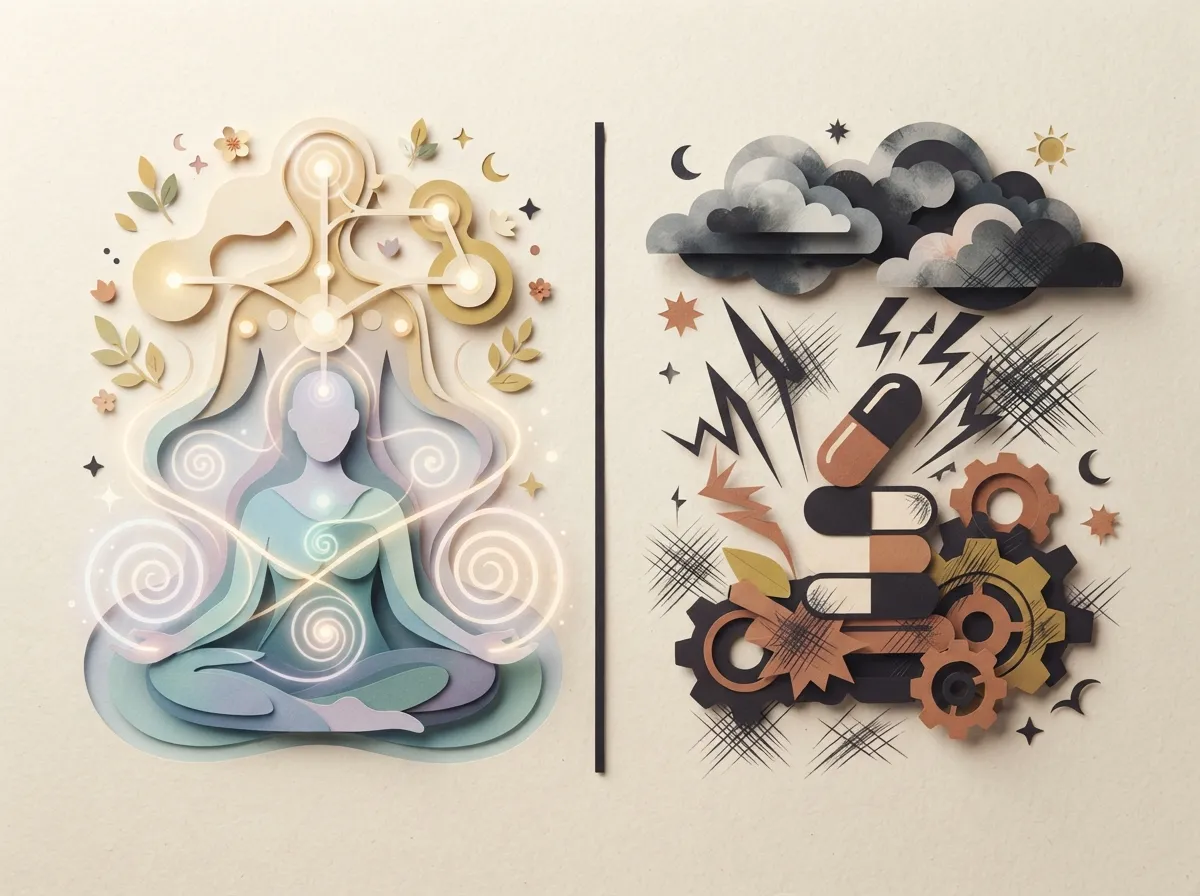
1. What Reiki Actually Is (and Is Not)
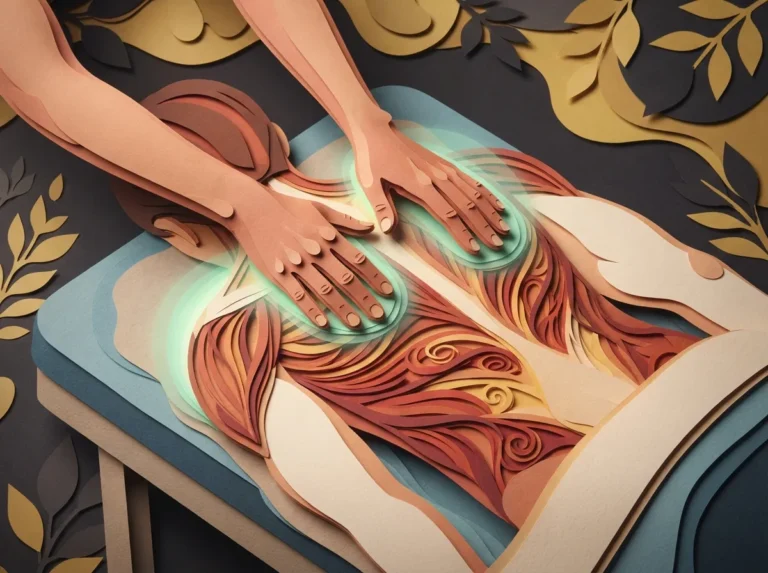
Reiki is a gentle, hands-light practice that began in Japan in the late 1800s. A practitioner places their hands lightly on or just above your body. The idea behind it is that a “life force energy” flows through us and affects how we feel.
It is not massage. There is no kneading, pressing, or stretching. Many people even choose a no-touch session. If you are curious about the basics, our guide on what Reiki healing is and how it works covers it in simple terms. You can also read the general background on Reiki healing for more history.
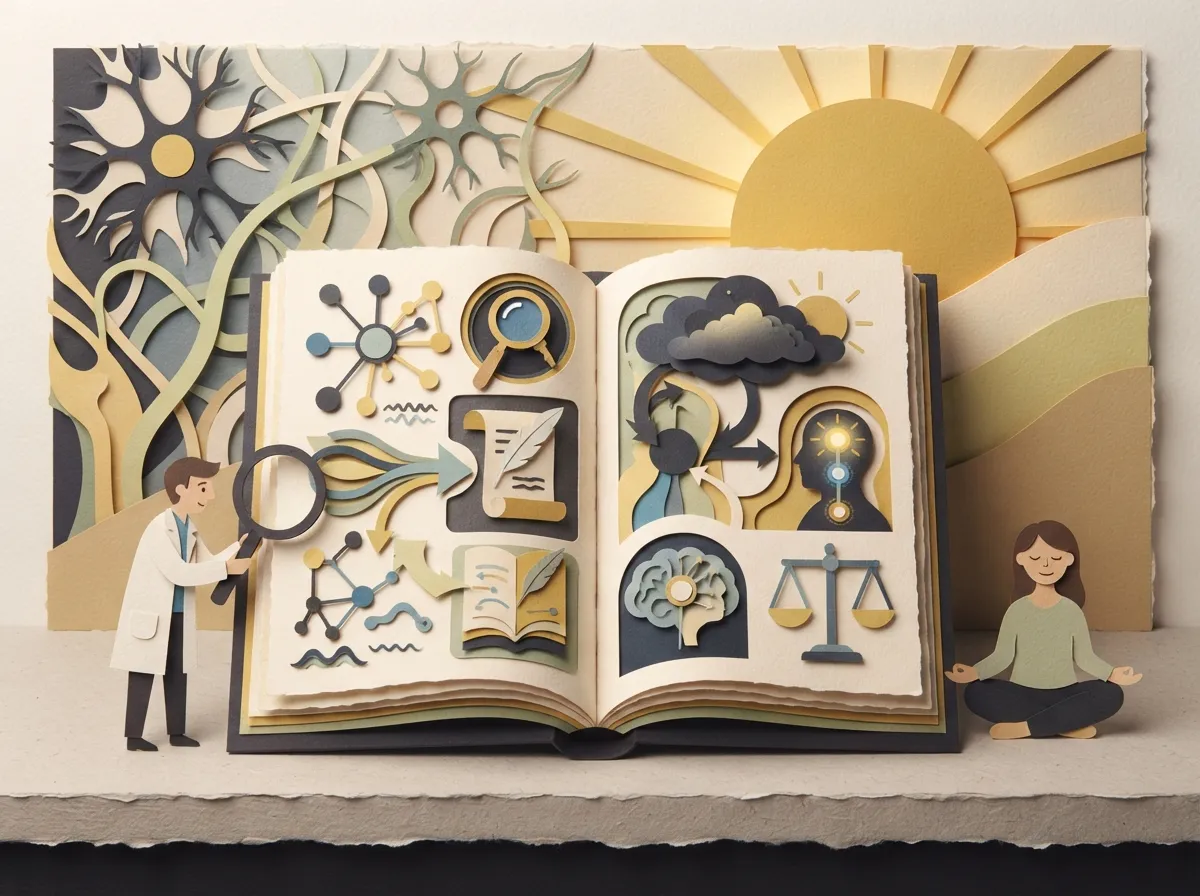
2. What the Research Says About Depression
Here is where honesty matters most. The National Center for Complementary and Integrative Health (NCCIH) says Reiki has not been clearly shown to work for any health purpose. Studies on depression are mostly small, and the results are mixed.
Some studies do report better mood, less stress, or improved well-being after Reiki. But these findings are early and not strong enough to call Reiki a depression treatment.
- Many studies are small and short.
- Results often differ from one study to the next.
- Few studies use strong, well-controlled designs.
Think of Reiki as a possible comfort, not a cure.
3. A Closer Look at the Numbers
Let’s keep the numbers in perspective. A 2025 meta-analysis looked at mind-body therapies in women going through perimenopause and menopause. It included 18 trials and 1,572 people across many different therapies.
Its Reiki depression result came from just one study (SMD −0.81; 95% CI −1.26 to −0.36). That sounds exciting, but one study is not enough to build on. It does not prove Reiki works for depression in general.
A 2024 review on Reiki and anxiety also looked at short programs, from up to three sessions to six to eight sessions. Those results were about anxiety, not depression or trauma.
4. Why a Session Might Still Feel So Good
Even without proof of an energy field, people often feel better after Reiki. That does not mean the feeling is fake. It just means we do not fully know why it happens.
Possible reasons include:
- Lying still in a quiet, calm room
- Slow breathing and a break from screens
- Caring attention from another person
- Positive expectations about feeling better
These simple things can ease stress on their own. For many of our clients, that sense of calm is the real gift. If you want to explore this more, read our honest take on Reiki vs. placebo.
5. What About Emotional Trauma and PTSD?
This one needs extra care. There is not enough research to say Reiki treats trauma or PTSD. It does not resolve traumatic memories, and it should never be used in place of trauma-focused therapy.
A calm session may feel supportive for some people. Others may find stillness or quiet uncomfortable, because it can bring up hard feelings. Both reactions are normal.
If you carry heavy trauma, please work with a licensed mental health professional first. Reiki can sit alongside that care, but it should not lead it. Our post on whether Reiki can release emotional blocks goes deeper into this idea.
6. Reiki Is Not a Substitute for Real Mental Health Care
Let’s say this clearly and kindly. Reiki is not a replacement for therapy, antidepressants, or a doctor’s visit. If you feel hopeless, cannot sleep for days, or have thoughts of harming yourself, please reach out to a medical professional or call or text 988 in the U.S. right away.
| Option | Role | Evidence for Depression/Trauma |
|---|---|---|
| Psychotherapy | Primary treatment | Strong, well studied |
| Medication (when prescribed) | Primary treatment | Strong, well studied |
| Massage therapy | Supportive care for stress and tension | Helpful for relaxation, not a treatment |
| Reiki | Optional comfort and calm | Limited and inconsistent |
Our article on whether Reiki can replace medical treatment explains this further.
7. Where Massage Therapy Can Help
Here is the good news. Touch-based massage has a longer track record for easing stress, tight muscles, and poor sleep. When your body feels calmer, your mind often follows. That can make hard days feel a little more manageable.
At Luna Massage Studio in Falls Church, VA, we offer a few gentle options that people often pair with Reiki:
- Swedish massage for deep, soothing relaxation
- Aromatherapy massage, which we add free to any massage on request
- Reiki healing as a quiet, hands-light option
You can also read about anxiety relief through massage to see what tends to help most.
8. Is Reiki Safe? Mostly, Yes, With Good Boundaries
Reiki is generally seen as low risk. Still, a good practitioner should always protect your comfort and choice. That matters even more if you have a trauma history.
Look for a practitioner who will:
- Explain what will happen before the session starts
- Ask for your consent about hands on or hovering above the body
- Offer a no-touch option
- Respect your boundaries and let you pause or stop anytime
- Never claim to diagnose or cure a mental health condition
For more on this topic, see our guide on how to tell if Reiki is safe for you.
9. Who Might Enjoy Reiki as a Gentle Add-On
Different people look for different things. Here is how Reiki may fit into a few common lifestyles.
| Who You Are | How Reiki May Fit |
|---|---|
| Busy professional | A quiet evening or weekend pause to unplug from work stress |
| Expecting mom | A gentle, low-pressure option to rest, paired with prenatal massage (check with your provider first) |
| Athlete or active adult | A calm recovery day between hard workouts and sport massage |
| Senior with chronic pain | A soft, no-pressure session when deeper work feels like too much |
| Wellness-focused person | A mindful part of a regular self-care routine |
In each case, Reiki is a bonus for relaxation. It is not the main plan for treating depression or trauma.
10. How to Get the Most Out of a Session
If you decide to try it, a little prep goes a long way. Here is a simple way to set yourself up for a good experience.
- Share your goals. Tell your practitioner if you want to relax, sleep better, or simply take a breather.
- Mention your comfort needs. Say if you prefer no touch, a lighter touch, or a short session.
- Keep your expectations kind. Aim for calm, not a cure.
- Keep up your other care. Stay connected to your therapist or doctor if you have one.
- Notice how you feel afterward. Drink water, rest, and be gentle with yourself.
Curious about the flow of a visit? Our post on what to expect in a Reiki session walks you through it step by step.
Putting It All Together
So, does Reiki help with depression and emotional trauma? The honest answer is that we do not have strong proof that it does. Some people feel calmer, lighter, and more cared for after a session, and that comfort is real and worth valuing. But it works best as a gentle companion to proper mental health care, not a stand-in for it.
If you want to see what our neighbors think, you can read Luna Massage Studio reviews on Yelp or follow our updates on Instagram. You can also visit us on Google — Luna Massage Studio to see our Falls Church location and what clients say.
Ready for a calming reset? Reiki healing at Luna Massage Studio is a flat $125, and our massages start at $125 for 60 minutes. Book your session today, or get in touch with our team at 703-254-0422 and we will help you pick what feels right. Be kind to yourself. You deserve care that fits you.
FAQs
Q: Can Reiki help with depression?
A: Some people feel calmer and more relaxed after Reiki, but research has not shown it to be an effective treatment for depression. Studies are small and results are mixed. It is best used as an optional comfort alongside care from a doctor or therapist.
Q: Can Reiki heal emotional trauma or PTSD?
A: There is not enough evidence to say Reiki heals trauma or resolves traumatic memories. A quiet session may feel supportive, but responses vary, and stillness or touch can be hard for some people. Trauma-focused therapy with a licensed professional remains the best path.
Q: Is Reiki a substitute for therapy or antidepressants?
A: No, and we never want you to think of it that way. Reiki is a gentle complementary service, not a replacement for therapy, medication, or medical advice. Keep working with your care team and use Reiki as an extra layer of calm.
Q: Can I ask for Reiki without physical touch?
A: Absolutely. Reiki can be done with hands lightly on the body or held just above it, and a good practitioner will offer a no-touch option. Just tell your practitioner what feels comfortable, and they will adjust the session for you.
Q: Is Reiki safe for people with a trauma history?
A: Reiki is generally considered low risk, but comfort and consent matter most. Let your practitioner know about your needs, ask them to explain each step, and feel free to pause or stop anytime. If you are in active trauma treatment, check in with your therapist first.
Our Service Area