Key Takeaways
-
Research shows massage therapy improved pain for people with subacute and chronic low back pain, with benefits persisting in long-term follow-up across multiple studies involving hundreds of participants.
-
Deep tissue massage is most effective for chronic tension and muscle knots, while Swedish massage works better for general soreness and stress-related pain—choose based on your specific pain type and pressure preference.
-
Trigger point therapy effectively targets localized pain spots in glutes, hips, and lumbar muscles that often contribute to lower back pain and can provide lasting relief when pain has a clear source.
-
For acute pain, start with 1-2 sessions weekly; for chronic pain, every 2-4 weeks is typical; frequency depends on severity, and a skilled therapist should help customize your treatment routine.
-
Massage is one of the safest options for lower back pain with no serious adverse events reported in clinical trials, making it a low-risk alternative to some medications or invasive procedures.
-
Add-on treatments like cupping and gua sha can enhance massage benefits, while proper hydration and 24-48 hours for soreness to fade are signs your treatment is working correctly.
Lower back pain is one of the most common complaints people deal with every day. Whether you sit at a desk for hours, push hard at the gym, or carry a baby bump, that nagging ache in your lower back can make everything harder. The good news? Massage therapy can help. But with so many styles to choose from, it’s fair to ask: what is the best type of massage for lower back pain?
The honest answer is that it depends on your body, your pain level, and what’s causing the discomfort. There’s no one-size-fits-all solution. But understanding your options makes it much easier to choose the right approach. Let’s walk through the most effective massage types, what the research says, and how to find the right fit for you.
Why Massage Therapy Helps Lower Back Pain
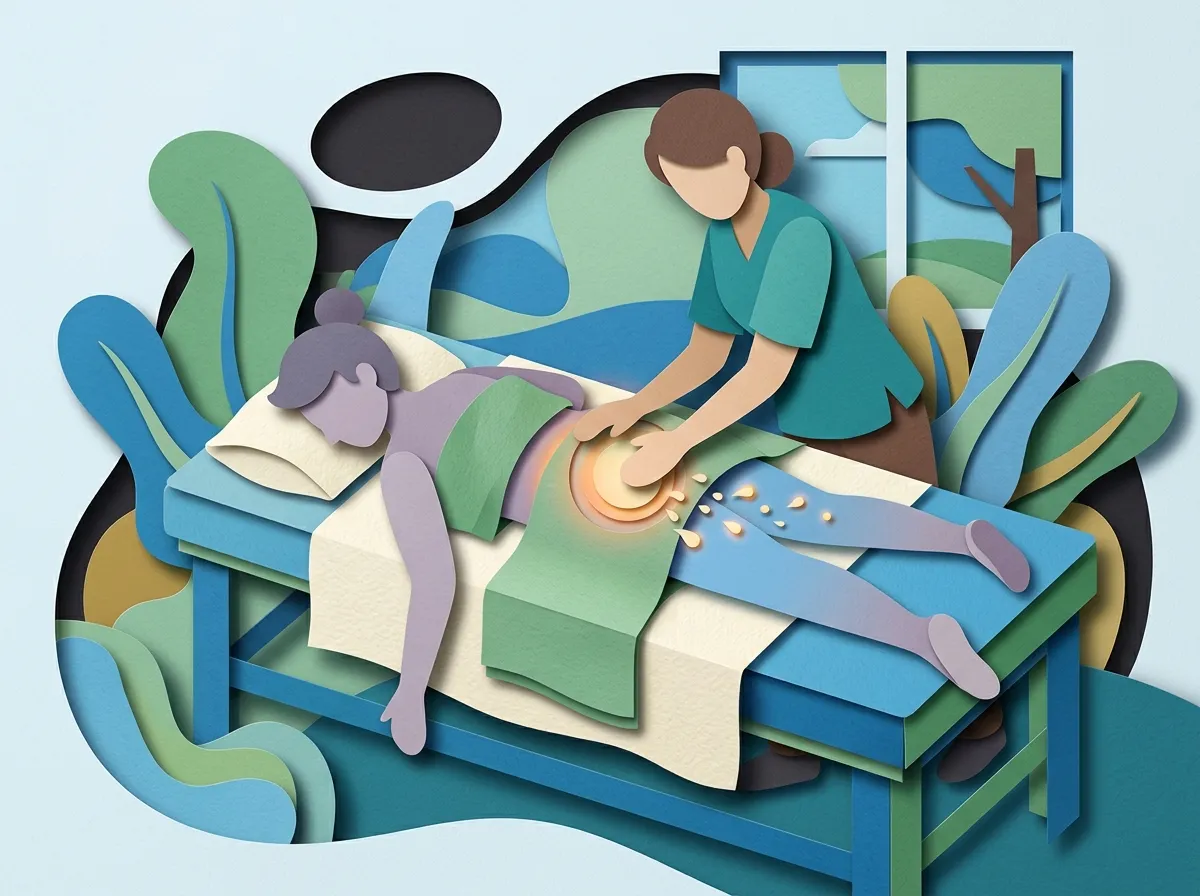
Before we dive into specific techniques, it helps to understand why massage works in the first place. Massage therapy reduces muscle tension, boosts circulation, and encourages your body to relax. When your lower back muscles are tight or knotted, they can pull on your spine and surrounding tissues — causing or worsening pain. Massage helps release that tension and restore more comfortable movement.
Research backs this up. A Cochrane review found that across 12 studies involving 964 participants, massage improved pain for people with subacute and chronic low back pain versus active controls in the short term. Pain benefits even persisted in long-term follow-up across 5 studies with 757 participants. That’s meaningful, real-world relief for people who need it.
If you want to understand the deeper science behind how massage eases back discomfort, check out this helpful read on why lower back massage therapy actually relieves pain.
The Most Effective Massage Types for Lower Back Pain
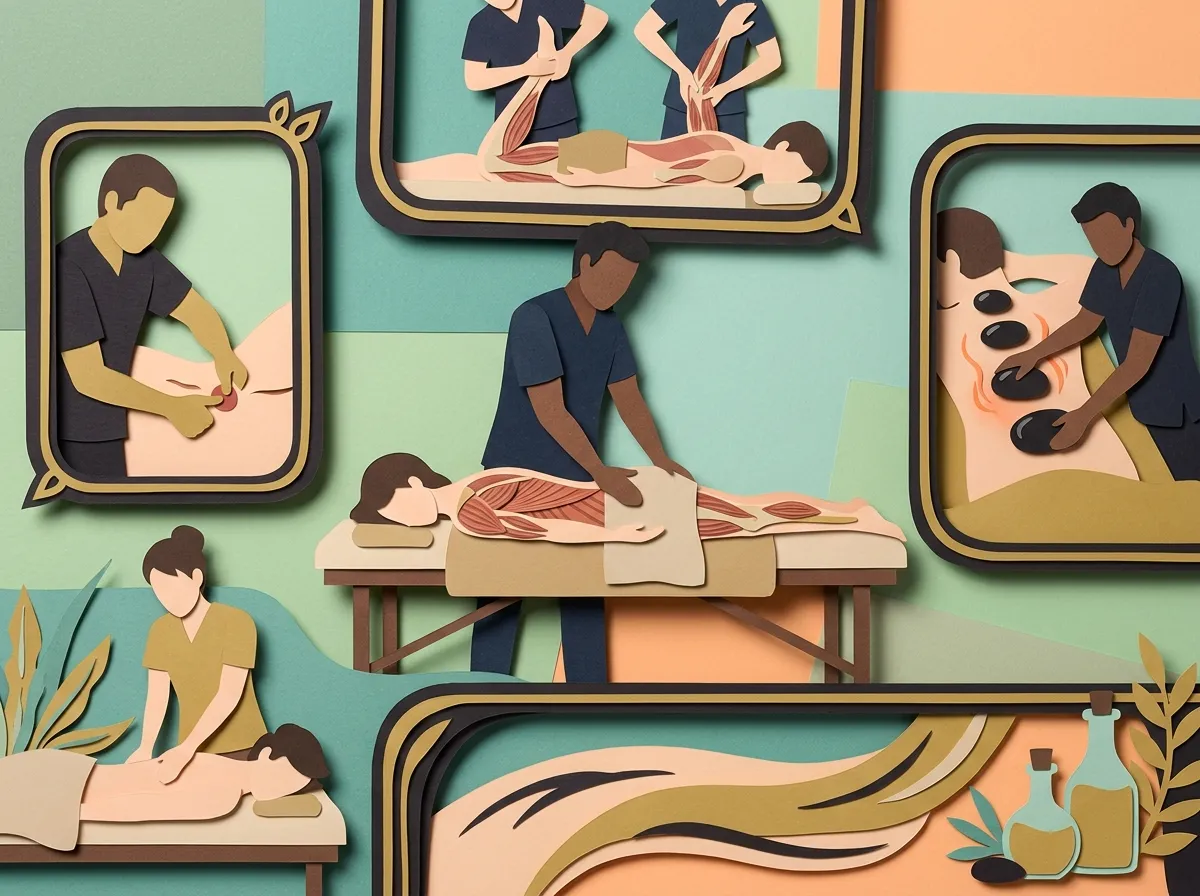
Here’s a breakdown of the most popular and effective massage styles used to treat lower back pain. Each one has its own strengths, and the right choice depends on your specific situation.
1. Deep Tissue Massage
Deep tissue massage is one of the most commonly recommended options for lower back pain. It uses firm, slow strokes to reach deeper layers of muscle and connective tissue. This makes it especially helpful for tight muscles, stubborn knots, and chronic tension.
If your pain stems from muscle adhesions or long-term overuse, deep tissue work can provide noticeable relief. However, it does use greater pressure, so it’s important that a skilled therapist performs it. Some soreness after the session is normal and usually fades within a day or two. Learn more about what this technique can do for your back with this guide on deep tissue massage for back pain.
2. Swedish Massage
Swedish massage uses long, gliding strokes, gentle kneading, and rhythmic tapping. It’s lighter in pressure compared to deep tissue and is a wonderful first step for people who are new to massage or who have more sensitive lower backs.
Swedish massage is great for easing general muscle tightness, improving circulation, and reducing overall stress — which itself can contribute to back pain. It’s also a good option for those who find deep pressure uncomfortable. You can read more about the full benefits of this style in this article on the benefits of Swedish massage.
3. Trigger Point Therapy
Trigger points are specific tight spots in the muscle that cause pain — sometimes in areas far from where they’re located. For lower back pain, trigger points in the glutes, hips, and lumbar muscles are often contributing factors. Trigger point therapy applies focused pressure to these spots to release them.
This technique can be very effective when your pain has a clear, localized source. It may feel intense in the moment, but the release can bring real, lasting relief. Read more about how this approach works at trigger point massage for muscle knots and pain.
4. Myofascial Release
Fascia is the connective tissue that wraps around your muscles. When it gets tight or restricted — from injury, poor posture, or repetitive movement — it can create significant lower back pain. Myofascial release uses gentle, sustained pressure to stretch and release the fascia.
This technique is especially helpful for people whose back pain feels “deep” or hard to pin down. It’s slower and more subtle than deep tissue work but can create profound results over time. Explore how this method works in more detail at myofascial release: how it works and why it helps.
5. Sports Massage
For athletes and active adults, sport massage is a powerful tool for managing lower back pain. It combines elements of deep tissue work, stretching, and targeted techniques to address sports-related muscle strain and overuse injuries.
If you’re a runner, weightlifter, or weekend warrior who pushes your back hard, sports massage can help you recover faster and prevent future injuries. Check out the full breakdown at sports massage therapy: benefits, techniques, and what to expect.
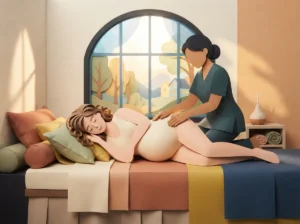
6. Prenatal Massage
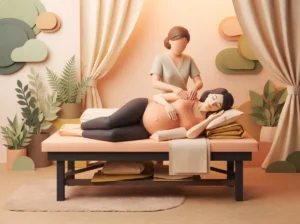
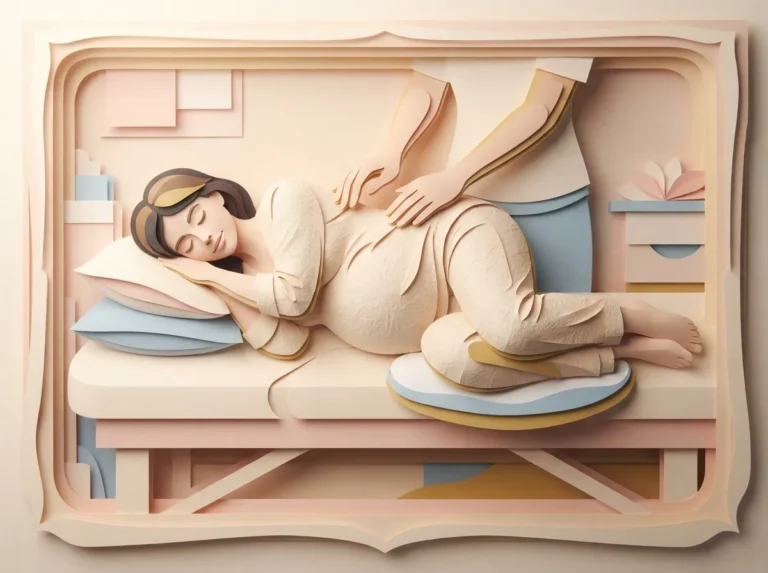
Pregnant women often experience significant lower back pain as their center of gravity shifts and their body changes. Prenatal massage is specifically designed to be safe and comfortable during pregnancy. It uses modified positions and gentle techniques to relieve the tension that builds in the lower back, hips, and legs.
If you’re an expectant mother dealing with back pain, this specialized massage style can be a real lifesaver. Learn about finding the right support in this helpful post on prenatal massage benefits for mothers-to-be.
Massage Types for Lower Back Pain: A Quick Comparison
Here’s a handy overview to help you compare your options at a glance. Use this as a starting point when talking to your massage therapist about what might work best for you.
| Massage Type | Pressure Level | Best For | Ideal Audience |
|---|---|---|---|
| Deep Tissue | Firm to intense | Chronic tension, muscle knots | Athletes, chronic pain sufferers |
| Swedish | Light to medium | General tension, stress relief | First-timers, sensitive backs |
| Trigger Point | Medium to firm | Localized pain spots | Anyone with specific knots |
| Myofascial Release | Light, sustained | Deep, widespread tension | Chronic pain, post-injury |
| Sports Massage | Medium to firm | Athletic recovery, overuse | Active adults, athletes |
| Prenatal Massage | Gentle | Pregnancy-related back pain | Expectant mothers |
Helpful Add-Ons That Boost Lower Back Relief
Sometimes a massage on its own is just the beginning. Add-on treatments can take your lower back relief to another level. Here are two popular options worth considering:
- Cupping: This technique applies suction cups to the skin to release deep tension, improve blood flow, and ease pain. It works like a reverse massage — instead of pressing down, it lifts the tissue. Many people with chronic lower back pain find it incredibly effective. Learn more at what is cupping therapy and how can it help you.
- Gua Sha: This ancient scraping technique releases surface tension and promotes healing in deeper layers of tissue. It’s especially useful for tight, inflamed muscles in the lower back area. Explore its history and benefits at Gua Sha massage therapy: ancient healing for modern pain.
- Aromatherapy: Adding essential oils to your session is free at Luna Massage Studio. Certain oils like lavender and eucalyptus support relaxation and can make your experience even more soothing. Check out the full benefits at 9 reasons aromatherapy massage changes how you feel.
Luna Massage Studio Service Pricing
At Luna Massage Studio in Falls Church, VA, you’ll find a full range of massage services designed to address lower back pain. Here’s a look at current service pricing to help you plan your visit.
| Service | 60 min | 75 min | 90 min |
|---|---|---|---|
| Deep Tissue Massage | $125 | $145 | $165 |
| Swedish Massage | $125 | $145 | $165 |
| Sport Massage | $125 | $145 | $165 |
| Prenatal Massage | $125 | $145 | $165 |
| Cupping (Add-On) | $35 / 15 min | ||
| Gua Sha (Add-On) | $35 / 15 min | ||
| Aromatherapy | FREE with any massage | ||
How to Choose the Right Massage for Your Lower Back
Not sure where to start? Use this simple guide to help narrow things down based on your situation.
- Identify your pain type. Is your pain sharp and localized, or dull and widespread? Sharp, knotty pain often responds well to trigger point or deep tissue work. Widespread aching may benefit more from Swedish or myofascial techniques.
- Consider your pressure preference. Some people love the feeling of firm, deep pressure. Others find it uncomfortable. Be honest with yourself — and your therapist — about what feels good for your body.
- Think about your activity level. If you’re an athlete or very active, sports massage may be the best fit. If you’re more sedentary or stressed, Swedish or deep tissue may serve you better.
- Factor in special circumstances. Are you pregnant? Have a recent injury? Dealing with chronic illness? These factors should guide your choice and your conversation with a licensed therapist.
- Talk to your therapist. This is the most important step. A skilled massage therapist will assess your needs and recommend the best approach. Don’t be shy about sharing your concerns — they’re there to help.
What the Research Says About Massage Safety
One thing that often surprises people is how safe massage therapy is for lower back pain. According to the Cochrane review mentioned earlier, there were no serious adverse events reported in any of the included trials. The most common side effect was temporary increased soreness, reported in only 1.5% to 25% of participants, depending on the study.
This makes massage one of the safer options for managing lower back pain compared to some medications or invasive procedures. It’s worth having a conversation with your doctor if you have serious spinal conditions, but for most people, massage is a low-risk, high-reward choice. You can also explore a broader perspective on whether massage can help with chronic pain.
Signs You’re Getting the Right Massage for Back Pain
- Your muscles feel looser and less tense after the session
- You can move more freely with less pain
- Any soreness after the session fades within 24-48 hours
- You feel calmer and more relaxed overall
- Your sleep improves in the days following your massage
- Your pain gradually decreases with regular sessions
How Often Should You Get a Massage for Lower Back Pain?
Frequency depends on the severity of your pain and your goals. Here’s a general guide to help you think it through:
| Pain Level | Recommended Frequency | Goal |
|---|---|---|
| Acute (recent injury) | 1-2 times per week initially | Reduce inflammation and tension |
| Subacute (healing phase) | Once a week | Support recovery and mobility |
| Chronic (ongoing pain) | Every 2-4 weeks | Manage pain and prevent flare-ups |
| Maintenance (preventative) | Once a month | Keep muscles relaxed and healthy |
Always check in with your therapist and doctor to find a routine that works for your specific needs. As Harvard Health notes, massage can reduce pain and speed return to normal activities when added to usual care — so think of it as part of a broader wellness routine, not just a one-time fix.
What to Expect at Your First Session
If you’ve never had a massage for lower back pain before, it’s completely normal to feel a little unsure. Here’s a quick overview of what typically happens:
- Intake conversation: Your therapist will ask about your pain, health history, and preferences. This helps them customize the session for you.
- Getting comfortable: You’ll undress to your comfort level and lie on a padded table under a sheet. Modesty is always respected.
- The massage: Your therapist will work on your lower back, hips, and surrounding muscles. Communication is encouraged — speak up if anything is too intense or not enough.
- Post-session care: Drink plenty of water afterward. Some light soreness is normal and a good sign that your body is responding.
You can also explore 12 things to know before visiting a massage therapy studio to feel fully prepared before you walk through the door.
Our team at Luna Massage Studio in Falls Church, VA is proud to offer a warm, professional environment where your comfort and care always come first. You can see what our clients say at Luna Massage Studio reviews, and you’re welcome to visit us on Google — Luna Massage Studio to read more real client experiences.
We’ve also been featured on Yelp, where past clients have shared their experiences. You can also follow us on Instagram for wellness tips, service highlights, and studio updates.
Your Next Step Toward Lower Back Relief
Lower back pain doesn’t have to be your normal. Whether you’re a busy professional carrying the weight of a stressful workweek, an athlete pushing your body hard, a pregnant mama-to-be, or someone managing chronic pain day after day — there’s a massage style that can genuinely help you feel better.
The best type of massage for lower back pain is ultimately the one that’s tailored to your body, your lifestyle, and your goals. A skilled, licensed therapist will help you figure that out together. If you’re curious about how massage compares to other pain relief options, this article on massage for pain relief vs. medication is a great read.
Ready to start feeling better? We’d love to help you find relief. Book your massage session today and take the first step toward a happier, healthier lower back.
FAQs
Q: What is the best type of massage for lower back pain?
A: There’s no single “best” type — it really depends on your body and your pain. Deep tissue massage is great for chronic tension and knots, while Swedish massage works well for general soreness and stress-related pain. Talking to a licensed therapist is the best way to find your perfect match!
Q: Is deep tissue massage safe for lower back pain?
A: Yes, deep tissue massage is generally safe and very effective for lower back pain when performed by a skilled therapist. Some mild soreness afterward is totally normal and usually fades within a day or two. Just make sure to communicate your comfort level throughout the session.
Q: How often should I get a massage for lower back pain?
A: It depends on how severe your pain is. For acute pain, 1-2 sessions per week may help initially. For chronic pain, every 2-4 weeks is a common maintenance schedule. Your therapist can help you build a routine that fits your goals and lifestyle.
Q: Can massage help sciatica or tight lower back muscles?
A: Absolutely! Trigger point therapy, deep tissue massage, and myofascial release are often very helpful for sciatica and tight lower back muscles. These techniques target the specific muscles and connective tissue that contribute to sciatic nerve pain and stiffness.
Q: What should I avoid when getting a massage for back pain?
A: Avoid eating a heavy meal right before your session, and don’t push through sharp or intense pain during the massage — always speak up to your therapist. Also, skip the gym immediately after a deep tissue session to give your muscles time to recover and respond to the work.