Key Takeaways
-
Prenatal massage may lower anxiety scores and reduce stress hormones like cortisol, with a 2020 review showing moderate benefits compared to usual care, though evidence has limitations and results vary significantly between studies.
-
Work only with therapists trained specifically in prenatal care who use safe positioning (side-lying with pillows), gentle pressure, avoid abdominal massage, and skip deep pressure on legs to protect both you and your baby.
-
Check with your obstetrician or midwife before booking if you have vaginal bleeding, contractions, severe swelling, high blood pressure, or a history of preterm labor, as these conditions require medical clearance first.
-
Prenatal massage should complement, not replace, professional mental health care; if anxiety, depression, or panic feels persistent, severe, or worsening, speak with your prenatal provider about evidence-based treatment options.
-
A single 60-90 minute session provides quiet, uninterrupted time without phone or to-do lists, which many mothers report as their first moment of calm in weeks and can support better sleep and muscle relaxation.
-
Side effects from prenatal massage are rare and minor according to research, but reporting was limited; working with a trained therapist and keeping your provider informed minimizes any potential risks.
Pregnancy is a beautiful season, but let’s be honest: it can also feel like a lot. Between growing a baby, planning ahead, and listening to everyone’s advice, your mind may rarely get a break. If you’ve been wondering, is prenatal massage good for stress and anxiety in pregnancy, you’re in the right place.
The short answer is that it may well help. Gentle, skilled touch can calm your body, ease sore muscles, and give your mind a much-needed pause. Research is encouraging, though it isn’t perfect, and we’ll walk through what it really shows.
In this guide, we’ll cover how prenatal massage may ease stress, what the science says, how to stay safe, and when to check in with your care provider first. Think of it as a friendly chat before you book your next moment of calm.
What Is Prenatal Massage?
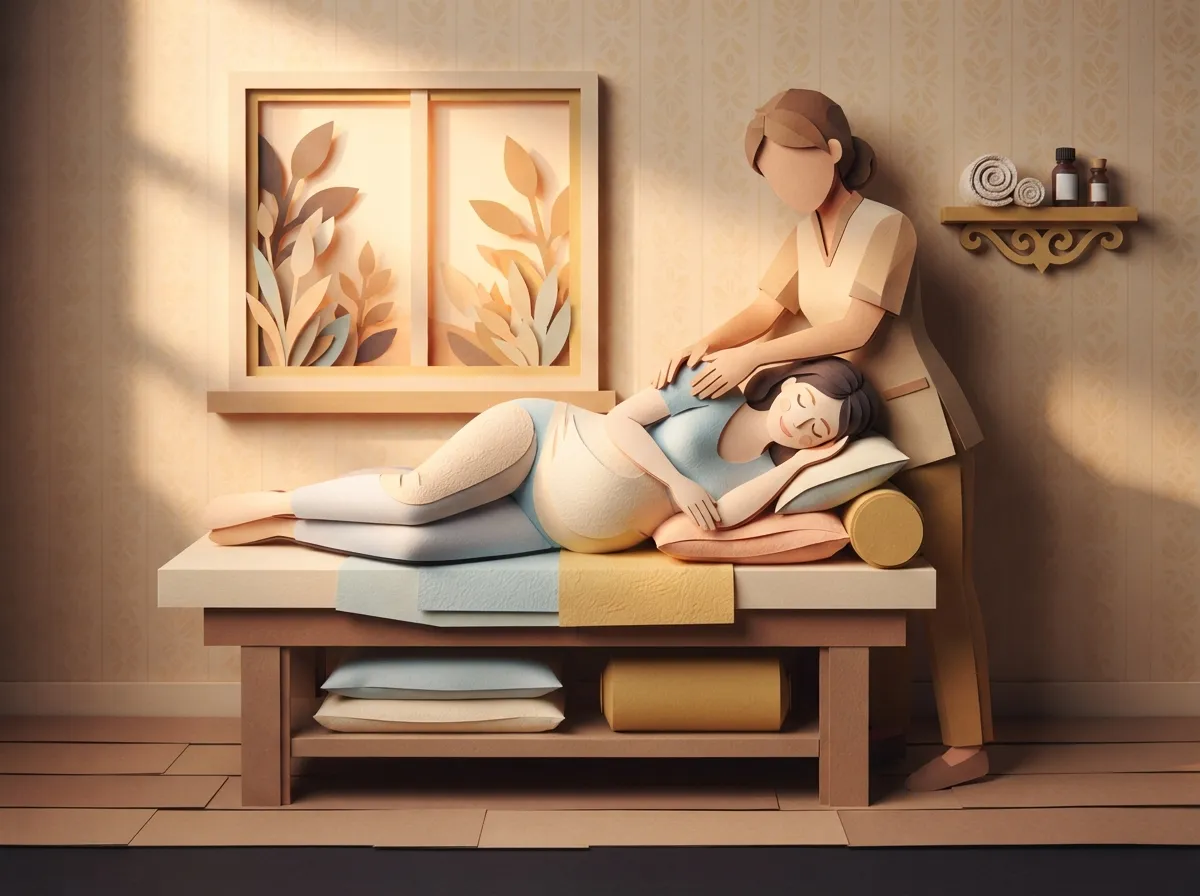
Prenatal massage is a type of bodywork made just for expectant mothers. A trained therapist adjusts pressure, positioning, and technique to fit your changing body. The goal is comfort, relaxation, and relief from common pregnancy aches.
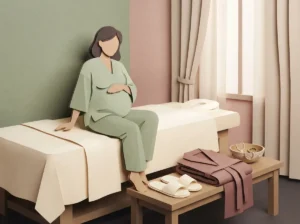
It looks a lot like a classic Swedish massage, but with smart changes. You’ll usually lie on your side with pillows tucked under your belly, knees, and head. This keeps you supported and comfortable at every stage.
At Luna Massage Studio in Falls Church, VA, our prenatal massage sessions are built around this kind of careful, supportive care. Every session is shaped around how you feel that day.
Is Prenatal Massage Good for Stress and Anxiety in Pregnancy?
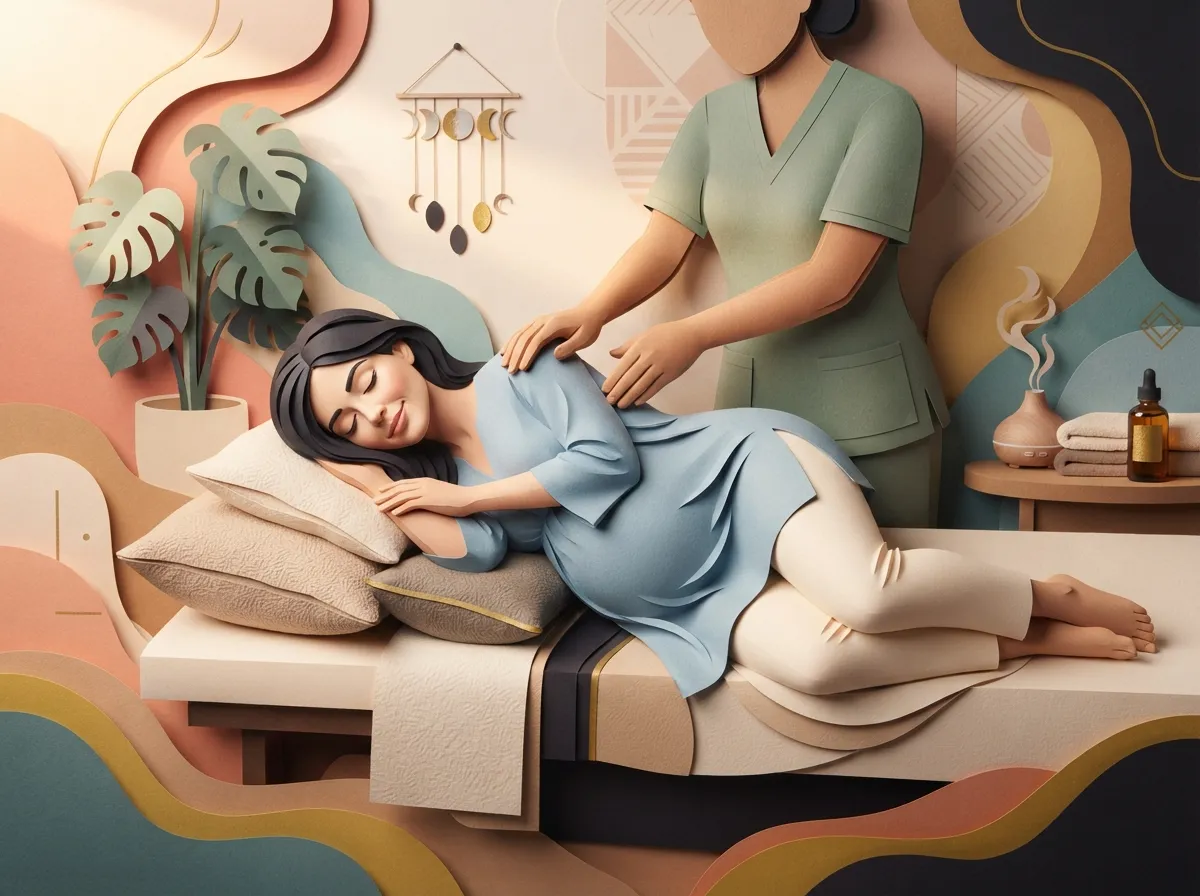
For many people, yes. Prenatal massage may help lower stress and anxiety during pregnancy. It is best seen as a supportive wellness habit, not a cure or a replacement for medical care.
Here’s why it may help:
- Soothing touch: Calm, steady touch can help your body shift into a more relaxed state.
- Less muscle tension: When your back, hips, and legs feel better, your mind often follows.
- Quiet time: An hour with no phone, no to-do list, and no pressure gives your nervous system a real break.
- Better rest: Relaxed muscles can make it easier to wind down and sleep.
Some pregnancy studies have also reported lower levels of cortisol, a stress hormone, after massage. That said, this does not prove that massage prevents pregnancy complications or changes birth outcomes. It simply suggests your body may feel calmer.
What the Research Says
Let’s look at the numbers in plain language. A 2020 systematic review and meta-analysis pulled together eight studies, and seven of them were randomized trials. Five of those studies looked at anxiety.
Across those five studies, massage was linked with lower anxiety scores than usual care. The standardized mean difference was −0.59, with a 95% confidence interval of −1.06 to −0.12. In simple terms, that points to a moderate average benefit.
Four studies also looked at depression. They found a mean drop of 5.95 points on the CES-D scale compared with usual care.
| Outcome | Studies Included | Result vs. Usual Care | Consistency (I²) |
|---|---|---|---|
| Anxiety | 5 | SMD −0.59 (95% CI −1.06 to −0.12) | 75% (varied a lot) |
| Depression (CES-D) | 4 | Mean difference −5.95 (95% CI −8.11 to −3.80) | 0% (more consistent) |
An Honest Look at the Limits
We love good news, but we also love honesty. The evidence has real limits:
- The trials were generally not judged to be at low risk of bias.
- Studies used different massage methods, comparison groups, and ways of measuring results.
- Results varied a lot from one study to the next, especially for anxiety.
So the benefits are plausible and encouraging, but the size and reliability of the effect are still uncertain. That’s why we call prenatal massage a helpful complement to your care, not a proven treatment for an anxiety disorder.
How Prenatal Massage May Ease Pregnancy Stress
Stress during pregnancy often shows up in the body first. Tight shoulders, an achy lower back, and heavy legs can all make worry feel louder. A good prenatal session works on both the body and the mind.
Soothing Common Aches
As your baby grows, your posture shifts and your muscles work overtime. Massage can ease back, hip, and leg discomfort. If you’re dealing with a sore back, you might enjoy our guide on easing pregnancy back pain with prenatal massage.
Supporting Better Sleep
Pregnancy can make sleep tricky. Feeling relaxed before bed may help you drift off more easily. Learn more in our article on whether prenatal massage can help you sleep better in pregnancy.
Making Space for You
Maybe the biggest gift is simply time. Many expectant mothers tell us that the quiet hour on the table is the first moment all week they felt like themselves. For a deeper look at stress relief, see why a relaxing massage is such a great stress relief tool.
Who Benefits Most?
Prenatal massage can be a lovely fit for many people. Here are a few examples:
- Busy professionals: If you’re juggling meetings, deadlines, and pregnancy, an evening or weekend session can help you unwind.
- First-time moms: New worries are normal, and a calm hour can help quiet the “what ifs.”
- Active women: If you used to run or lift, your body may be adjusting to new limits and feeling extra tight.
- Anyone feeling overwhelmed: You don’t need a big reason. Wanting to feel supported is enough.
You may also enjoy reading essential prenatal massage benefits for mothers-to-be.
How to Stay Safe During Prenatal Massage
Safety comes first, always. For an uncomplicated pregnancy, a therapist trained in prenatal care can adapt the session to keep you comfortable. Here’s what that usually looks like.
- Choose a trained therapist. Ask about their prenatal training and experience before you book.
- Share your health history. A good therapist will ask about your pregnancy, any symptoms, and your care provider’s advice.
- Use safe positioning. Side-lying with pillows is commonly used and keeps you supported.
- Keep pressure gentle. Avoid forceful or deep pressure, especially over the legs.
- Skip the belly. Abdominal massage is avoided during pregnancy.
- Speak up. Tell your therapist right away if anything feels uncomfortable.
Want to dig into the differences? Our post on prenatal massage vs. regular massage explains why specialized care matters.
What About Side Effects?
A 2021 systematic review of randomized trials found that only two trials described possible side effects, and those were minor and short-lived. Reporting was limited, though, so this doesn’t prove that risks are zero. It’s one more reason to work with a trained therapist and keep your care provider in the loop.
When to Talk to Your Provider First
Please check with your obstetrician or midwife before booking if your pregnancy is high-risk or complicated. You should also call them first if you have any of these:
- Vaginal bleeding
- Contractions
- Severe swelling
- High blood pressure
- A history of preterm labor
Curious who should wait? Read who should not get a prenatal massage right now. And if you’re wondering about timing, check our short guide on when to start prenatal massage.
Massage Is Not a Substitute for Mental Health Care
This part matters, so let’s say it kindly and clearly. Massage can support relaxation, but it should not replace assessment or treatment for anxiety, depression, panic, or sleep problems that are persistent, severe, or getting worse.
If your worries feel heavy or won’t let up, please talk with your prenatal care provider. Support is available, and asking for it is a sign of strength. If you ever feel unsafe or in crisis, seek urgent professional help right away.
Planning Your Prenatal Massage Schedule
How often should you go? That depends on your comfort, budget, and your provider’s guidance. Some moms book once a month. Others prefer more frequent visits in the third trimester when aches tend to build.
Our guide on planning your prenatal massage schedule safely can help you map it out. Your care provider can also tell you what makes sense for your pregnancy.
Pairing Massage With Calming Extras
If you love a spa-like feel, you can ask for aromatherapy massage at no extra cost. Gentle scents can add to the sense of calm. Always let your therapist know about any scent sensitivities, and check with your provider if you have questions about essential oils during pregnancy.
What a Session at Luna Massage Studio Feels Like
We want you to feel at ease from the moment you walk in. Here’s a simple picture of how a visit often goes:
- You share how you’re feeling and any concerns, including stress and sore spots.
- Your therapist reviews your health history and your provider’s advice.
- You settle into a comfortable side-lying position with pillows for support.
- The therapist uses gentle, steady strokes tailored to your needs.
- You rest, breathe, and let the stress melt a little.
Sessions come in 60, 75, or 90 minutes, so you can choose what suits you. You can read what other clients say on our reviews page, or see what our Luna Massage Studio customers say on Google. You can also peek at our Yelp page for more feedback.
Quick Tips to Get the Most From Your Visit
- Eat a light snack and drink water beforehand.
- Arrive a few minutes early so you can settle in.
- Wear comfortable clothing you can relax in.
- Tell your therapist what’s bothering you most.
- Plan a quiet evening afterward if you can.
If you’re still searching for the right person, our tips on finding a certified prenatal massage therapist can point you in the right direction.
Other Calming Options to Explore
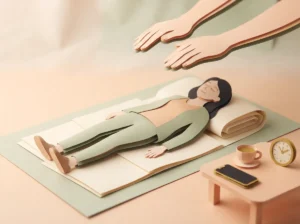
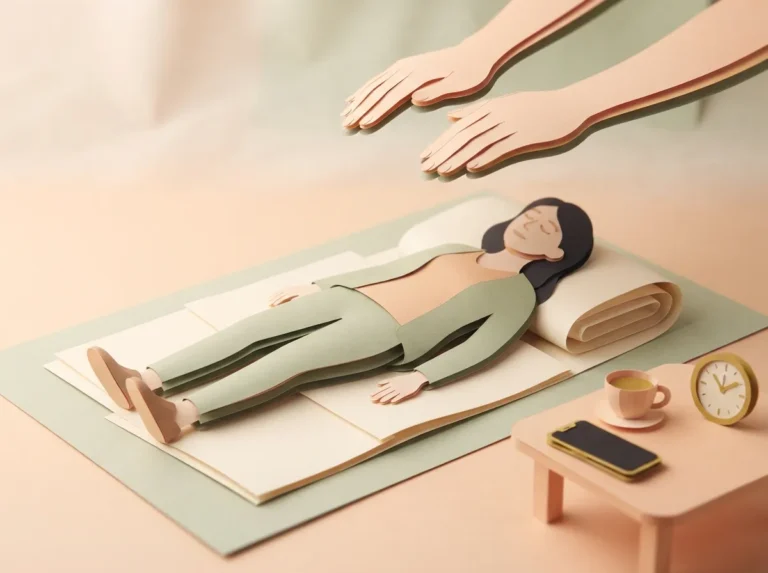
Massage isn’t the only way to find calm. Some mothers-to-be also enjoy gentle energy work. Reiki is a soft, hands-light practice many people find peaceful. You can learn more about Reiki healing and see whether it feels right for you. Always check with your care provider about any wellness practice during pregnancy.
For more day-to-day inspiration, follow us on Instagram.
The Bottom Line
So, is prenatal massage good for stress and anxiety in pregnancy? For many people, it can be a gentle, comforting way to feel calmer and more supported. The research is promising, with a 2020 review linking massage to lower anxiety scores, though the evidence has limits and results vary.
Think of prenatal massage as one kind tool in your wellness toolbox. Pair it with good prenatal care, rest, and honest conversations with your provider. You deserve to feel cared for, mama.
Ready to give yourself a calming break? Book your prenatal massage appointment with us today, or get in touch with our team if you have questions. We’d love to welcome you to Luna Massage Studio in Falls Church, VA.
FAQs
Q: Can prenatal massage reduce anxiety during pregnancy?
A: It may help for some people. A 2020 review found lower anxiety scores with massage compared with usual care, though results varied between studies. It’s a lovely complement to your prenatal care, but not a replacement for mental health support.
Q: What position is safest for a prenatal massage?
A: Side-lying with pillows under your belly, knees, and head is commonly used and keeps you comfortable and supported. Your therapist will adjust your positioning and pressure to fit your stage of pregnancy.
Q: Who should check with their doctor before getting a prenatal massage?
A: Please ask your obstetrician or midwife first if your pregnancy is high-risk or complicated, or if you have bleeding, contractions, severe swelling, high blood pressure, or a history of preterm labor. Your provider knows your health best and can guide you.
Q: Can prenatal massage replace treatment for severe anxiety?
A: No, it shouldn’t. Massage can support relaxation, but persistent, severe, or worsening anxiety, depression, or panic deserves care from your prenatal provider. If you feel in crisis, seek urgent professional help right away.
Q: Does prenatal massage help with back pain and sleep too?
A: Many expectant mothers find it eases muscle tension in the back, hips, and legs, which can make it easier to rest. Everyone’s experience is different, so share how you feel with your therapist so they can tailor each session.
Our Service Area