Key Takeaways
-
Massage may offer short-term relief for chronic low-back pain, but benefits often fade within 6 to 12 months without ongoing care, so it works best as part of a broader plan.
-
Chronic pain management works best by combining medical care, gentle movement, stress care, and hands-on therapies like massage rather than relying on any single tool.
-
Check with a health care provider before massage if you take blood thinners, have a bleeding disorder, are pregnant, have cancer, or have new, sudden, or unexplained pain.
-
Choose comfortable pressure during massage; deeper is not always better, and pain-level pressure should be avoided, especially for those with fragile skin or bleeding risks.
-
Track how you feel over several days after each session, noting changes in pain, sleep, mood, and movement, then adjust style or frequency with your therapist.
-
Massage styles like Swedish for stress and deep tissue or trigger point work for stubborn knots may suit different pain types, and sessions every few weeks or monthly are common starting points.
Living with pain that just won’t quit is exhausting. Maybe it’s a stiff low back after long days at your desk. Maybe it’s sore knees, an aching neck, or joints that complain every morning. Whatever the cause, you’ve probably wondered if there’s something gentle you can add to your routine that actually helps.
Here’s the honest, friendly truth: chronic pain management works best when you use several tools together. Massage therapy can be one of those tools. It isn’t a cure, and it doesn’t replace your doctor. But for many people, it offers real short-term relief, better relaxation, and a calmer body.
In this guide, we’ll walk through what the research says, which massage styles may help, how often to book, and who should check with a health provider first. We’ll keep it simple, warm, and realistic. You deserve clear answers without the hype.

What Does Chronic Pain Management Really Mean?
Chronic pain is pain that lasts longer than three months, or pain that keeps returning. It can come from an old injury, arthritis, nerve issues, or conditions doctors can’t always pinpoint. Because every body is different, chronic pain management is never one-size-fits-all.
A good plan usually blends several pieces. Think of it like building a team. Each member does a different job.
- Medical care: your doctor helps find causes and rules out serious problems.
- Movement: gentle exercise, stretching, yoga, or tai chi keep your body strong and flexible.
- Stress care: mindfulness, sleep habits, and relaxation lower the body’s alarm system.
- Hands-on therapies: massage can ease muscle tension and help you feel calmer.
Massage fits into the last two buckets nicely. It’s a supportive, non-drug option that many people enjoy and can add to a bigger plan.
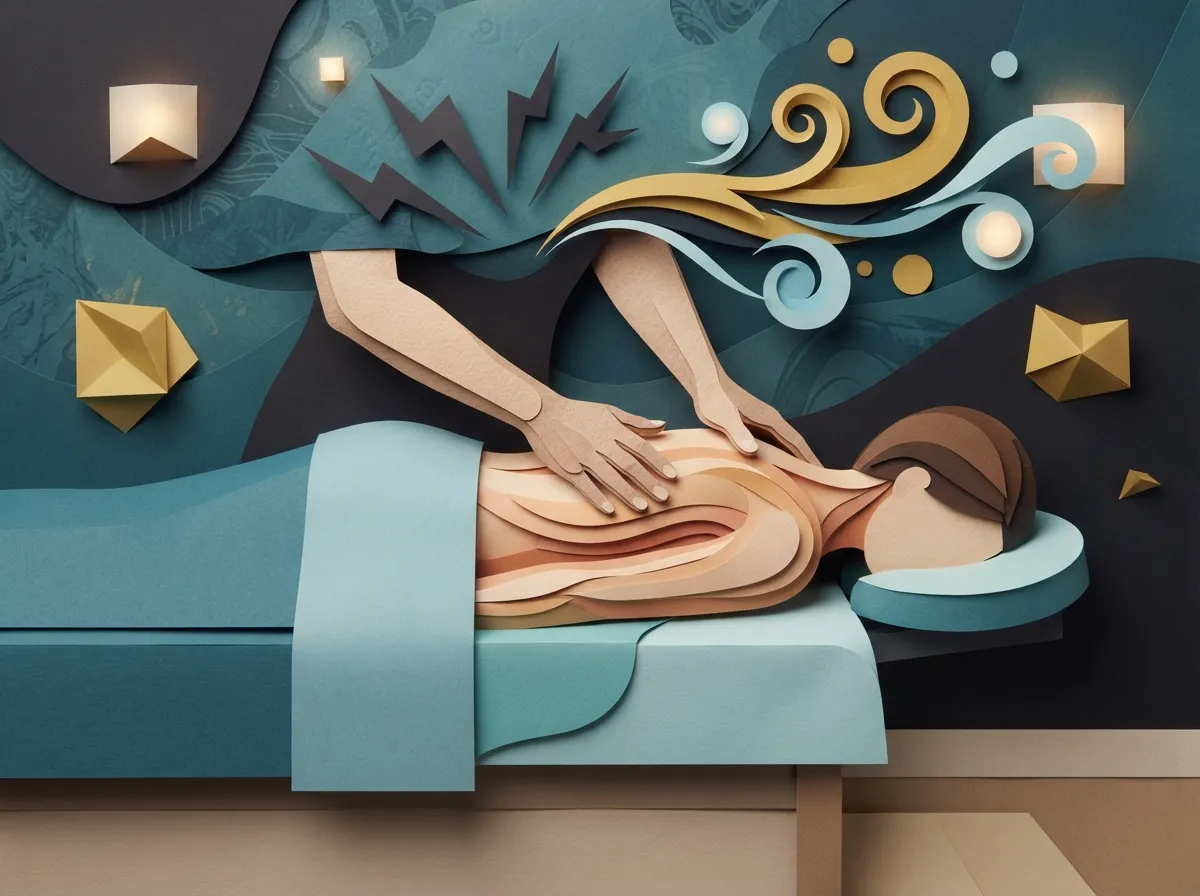
Can Massage Therapy Help With Chronic Pain?
It may, especially for short-term relief. Research on massage and chronic pain is mixed. Many studies are small, and the overall evidence quality is often low. So we want to be honest and not overpromise.
Here’s what the science generally shows:
- A 2015 review of 25 studies with about 3,000 participants found massage may improve low-back pain in the short term. The quality of that evidence was low to very low.
- An AHRQ review found slightly better results for chronic low-back pain and function with massage than with sham massage or usual care at 1 to 6 months after treatment.
- That same review found no evidence of an effect at 6 to 12 months.
In plain English: massage may help you feel better for a while, but benefits may fade without ongoing care. That’s why it works best as part of a bigger plan. If you’d like to explore this topic more, our article on chronic pain massage and how therapy eases long-term pain goes deeper.
What the Guidelines Say
The American College of Physicians’ 2017 guideline lists massage as an option for acute or subacute low-back pain, based on low-quality evidence. For chronic low-back pain, its suggested options include exercise, multidisciplinary rehabilitation, mindfulness-based stress reduction, tai chi, yoga, and spinal manipulation.
That doesn’t mean massage is useless for chronic pain. Many people still find it comforting and helpful for tension, stress, and sleep. It simply means massage works best alongside other approaches, not instead of them.
Which Types of Chronic Pain May Respond to Massage?
Results vary from person to person, and no single massage style has been proven best. Still, people often turn to massage for these common concerns:
| Type of Pain | What the Evidence Suggests | Helpful Massage Styles |
|---|---|---|
| Low-back pain | May give short-term relief; durable benefits are uncertain | Swedish, deep tissue, trigger point |
| Neck pain | May help some people; relief may be short-lived | Swedish, myofascial release |
| Shoulder tension | Often helps with muscle tightness and stress | Deep tissue, trigger point |
| Arthritis-related stiffness | May ease discomfort and improve comfort; use gentle pressure | Swedish, light therapeutic work |
| Stress-related tension | Often reduces tightness and promotes relaxation | Swedish, aromatherapy massage |
If your pain is mostly in your back or neck, you might enjoy reading about which massage is best for lower back pain relief and how to find neck pain relief with massage therapy.
How Massage May Support Your Body
Why might massage help at all? Researchers are still learning, but there are a few sensible ideas. Pain isn’t only about muscles. It’s also about your nervous system, your stress level, and how well you sleep.
- It encourages relaxation. Slow, steady touch can calm your nervous system, which may turn down the body’s stress response.
- It eases muscle tension. Tight, guarded muscles often make pain feel worse. Massage can help them let go.
- It may support better sleep. Poor sleep and pain feed each other. A relaxing session can help break that loop. Here are 13 ways massage and sleep work together.
- It gives you a moment of comfort. Simply feeling cared for matters. Comfort and relief are real wins.
Remember, massage doesn’t treat the underlying cause of every chronic pain condition. It supports comfort and function, and that’s valuable on its own.
Massage Styles Worth Knowing About
Luna Massage Studio in Falls Church, VA offers several styles that may fit a chronic pain plan. Here’s a quick look at each.
Swedish Massage
Swedish massage uses long, flowing strokes with light to medium pressure. It’s a great starting point if you’re sensitive or new to massage. It’s also wonderful for stress-related tension. Learn more in Swedish massage: what it is and why you’ll love it.
Deep Tissue Massage
Deep tissue uses slower, firmer pressure to reach tight layers of muscle. It can be helpful for stubborn knots, but “deeper” isn’t always better. Pressure should feel tolerable, never painful. See what deep tissue massage is and how it can help.
Sport Massage
If your pain comes from training, running, or lifting, sport massage focuses on overworked muscles and recovery. Active adults often love it for reducing tightness between workouts.
Trigger Point and Myofascial Work
These techniques target specific tight spots and the connective tissue around muscles. Many people find them useful for stubborn knots. Read about trigger point massage for muscle knots and pain.
Add-Ons: Gua Sha and Cupping
Luna also offers Gua Sha and cupping as 15-minute add-ons. Many clients enjoy them for tight, achy areas. They must be added to a massage session. If you’re curious, here’s what cupping therapy is and how it can help you.
What About Reiki for Chronic Pain?
Some people pair massage with Reiki, a gentle energy-based practice that began in Japan in the late 1800s. You can read the background on Reiki healing. Many people find it deeply calming, which can help when stress makes pain feel louder.
Like massage, Reiki should be seen as a supportive comfort practice, not a replacement for medical care. If you’re weighing both, our comparison of Reiki vs. massage for chronic pain can help you decide.
How to Build a Smart Massage Plan for Chronic Pain
Since research doesn’t point to one perfect technique, length, or schedule, your plan should be personal. Here’s a simple way to approach it.
- Talk to your doctor first. Especially if your pain is new, worsening, unexplained, or limiting what you can do.
- Share your story with your therapist. Tell them about your pain history, goals, health conditions, and what’s helped before.
- Choose comfortable pressure. You should feel relief, not dread. Speak up any time.
- Track how you feel. Notice changes in pain, sleep, mood, and movement over the next few days.
- Reassess together. If a style or schedule isn’t helping after a few sessions, adjust it.
How Often Should You Book?
There’s no universal answer. Some people do well with sessions every couple of weeks. Others prefer monthly. Start with a rhythm you can keep up with, then adjust based on how you feel. Our guide on massage frequency mistakes offers more tips.
Tips for Different Kinds of Clients
Chronic pain looks different for everyone. Here’s how massage might fit your life.
- Busy professionals: Desk strain and stress can build up fast. Evening or weekend sessions can help you unwind and release tight shoulders and necks.
- Pregnant women: Back and hip discomfort is common. Prenatal massage uses special positioning and gentle pressure. Always check with your provider first. See how to ease pregnancy back pain with prenatal massage.
- Athletes and active adults: Recurring tightness from training may respond well to sport or deep tissue work, paired with stretching and rest.
- Seniors with chronic pain: Arthritis and stiffness often call for gentler pressure and shorter sessions. Share your full health history so your therapist can adapt.
- Wellness-focused folks: Regular massage, Reiki, and healthy habits can work together as part of a preventive self-care routine.
Is Massage Safe for People With Chronic Pain?
Massage generally has a low risk of harm when a trained practitioner performs it appropriately. Still, rare serious injuries have been reported, especially with very vigorous massage or in people at higher risk. Safety matters, so a good screening is a must.
Please check with a health care provider first if any of these apply to you:
- You take blood thinners (anticoagulants) or have a bleeding disorder or low platelets.
- You have open wounds, fragile skin, or a recent injury.
- You’re pregnant, or you have cancer or another serious health condition.
- Your pain is sudden, severe, worsening, or unexplained.
If you’re on anticoagulants or have a bleeding disorder, avoid forceful, deep-tissue work and get individualized medical guidance. A skilled therapist will adapt or even defer treatment when needed. Learn what a licensed massage therapist can do for you.
Combining Massage With Other Pain-Care Tools
The best results often come from teamwork. Massage pairs nicely with other habits that support long-term comfort.
- Gentle daily movement, like walking or stretching
- Physical therapy or guided exercise
- Yoga, tai chi, or mindfulness practice
- Good sleep habits and stress care
- Ongoing check-ins with your doctor
If you’re unsure whether you need clinical help or a relaxing session, check out how to choose between massage vs physical therapy.
Finding the Right Place for Care in Falls Church
Look for a licensed therapist who listens, asks good questions, and respects your limits. A calm, welcoming space helps too. At Luna Massage Studio in Falls Church, VA, sessions are built around your comfort, with 60, 75, and 90-minute options plus free aromatherapy on request. You can see what clients say by visiting Luna Massage Studio on Google, browsing reviews on Yelp, or following along on Instagram.
Conclusion: Small Steps, Real Comfort
Chronic pain management is a journey, and you don’t have to walk it alone. Massage therapy may offer short-term relief, deeper relaxation, and a kinder relationship with your body. It works best as one piece of a bigger plan that includes medical guidance, movement, and stress care. Go gently, stay curious, and celebrate small wins.
Ready to see how a thoughtful session might fit into your care routine? Book your massage appointment today or contact our team with any questions. We’d love to help you feel more comfortable in your body.
FAQs
Q: Can massage therapy help with chronic pain?
A: It may! Many people find short-term relief from muscle tension, stress, and stiffness. Research is mixed and often low quality, so massage works best as one supportive piece of a bigger plan that includes your health care provider.
Q: How long do the pain-relief effects of massage last?
A: For many people, relief lasts days to a few weeks, and studies suggest benefits may fade over several months without ongoing care. Everyone responds differently, so track how you feel and adjust your schedule with your therapist.
Q: Is deep-tissue massage safe for people with chronic pain?
A: Often yes, when done with tolerable pressure by a trained therapist. Skip forceful deep work if you take blood thinners, have a bleeding disorder, or have fragile skin, and check with your doctor first.
Q: Who should consult a health care provider before getting a massage?
A: Please check in first if you’re pregnant, have cancer, take anticoagulants, or have new, worsening, or unexplained pain. Your doctor can help guide what’s safest, and your therapist can adapt your session.
Q: Can massage therapy be combined with exercise or other chronic-pain treatments?
A: Yes, and that’s often the best approach! Pairing massage with gentle movement, physical therapy, yoga, or stress care can support long-term comfort. Think of massage as a helpful teammate, not a solo fix.
Our Service Area