Key Takeaways
-
Sports injury massage uses techniques like deep tissue work, compression, friction, and trigger point therapy to reduce inflammation, ease muscle tension, and support natural healing – it’s most effective when combined with physical therapy and medical care, not as a standalone treatment.
-
Massage increases blood circulation to injured tissues, delivering oxygen and nutrients needed for faster repair, while also reducing swelling by moving excess fluid away from the injured area, particularly helpful in the days following sprains or strains.
-
Wait at least 72 hours after an acute injury before receiving massage directly on the affected area; deep massage too soon can worsen inflammation, so rest and ice should come first during the initial injury stage.
-
For active injury recovery, schedule 1-2 sessions weekly; during mid-recovery, reduce to 1 session per week; and for maintenance and prevention, book every 2-4 weeks – consistency is key, similar to physical therapy exercises.
-
Sports injury massage breaks down restrictive scar tissue through deep friction techniques, restores flexibility and range of motion faster than rest alone, and significantly reduces injury re-injury risk by improving tissue health and residual tension.
-
Massage reduces pain and stress hormones without medication while improving sleep quality, which accelerates tissue repair – it also helps prevent future injuries by building muscle resilience and improving athletic performance when incorporated into regular training routines.
If you’ve ever pushed too hard at the gym, twisted an ankle on a run, or woken up the morning after a big game barely able to move, you know that feeling all too well. Pain, stiffness, and frustration can make recovery feel like an uphill battle. That’s where sports injury massage comes in. This specialized form of massage therapy is designed to help athletes and active adults bounce back faster, feel better, and stay in the game longer.
Whether you’re a weekend warrior, a dedicated runner, or someone who simply loves staying active, sports injury massage offers real, tangible benefits. It targets soft tissue damage, reduces inflammation, eases muscle tension, and supports your body’s natural healing process. And the best part? It’s not just for elite athletes. Anyone who moves, trains, or simply lives an active life can benefit from this kind of targeted care.
Ready to learn exactly how sports injury massage can transform your recovery? Let’s dive into 14 powerful ways it works for you.
What Is Sports Injury Massage?
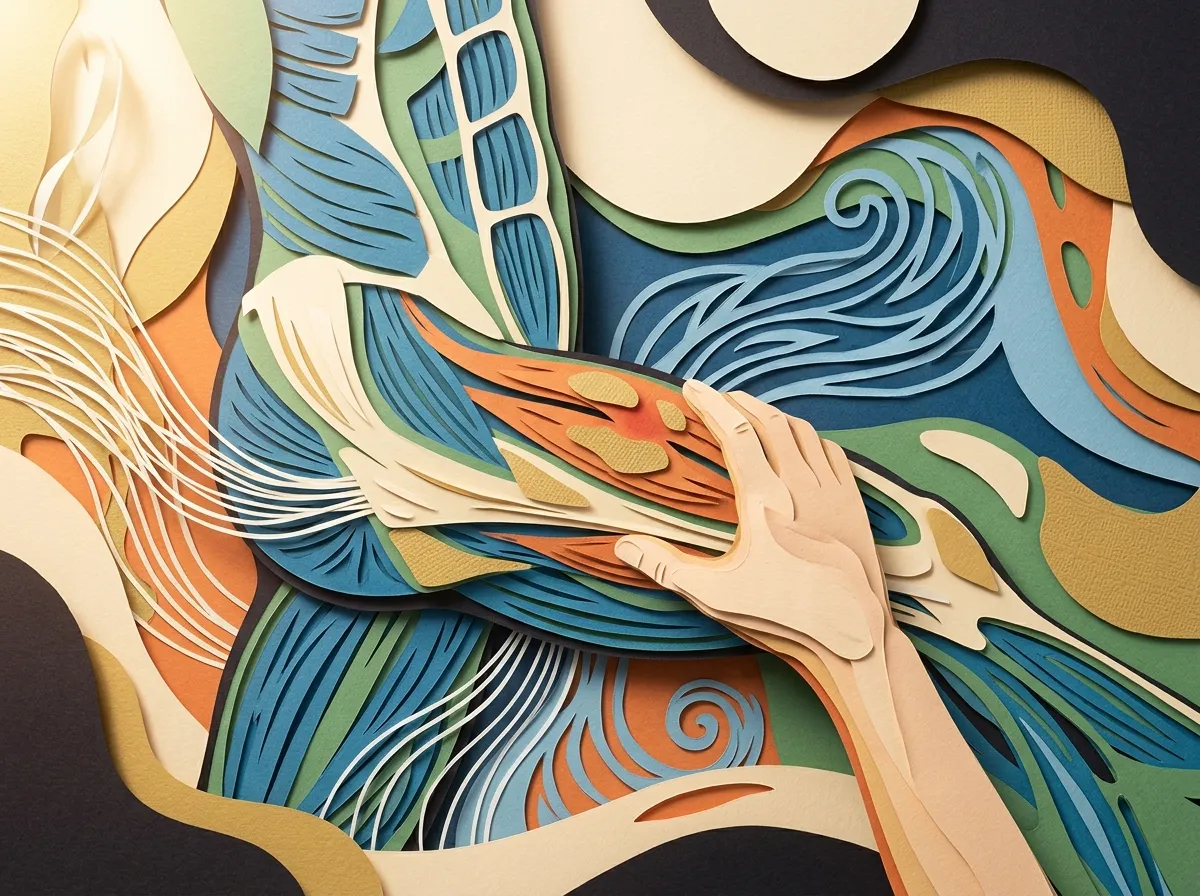
Sports injury massage is a specialized form of massage therapy tailored to athletes and physically active people. It uses a combination of techniques including deep tissue work, compression, stretching, friction, and trigger point therapy to address soft tissue injuries and support healing. You can learn more about the service itself on the sport massage service page.
It’s important to note that massage therapists do not diagnose injuries. They work alongside your medical team, adapting techniques to support recovery after a properly diagnosed injury or surgery. Think of it as a powerful partner in your overall rehab plan.
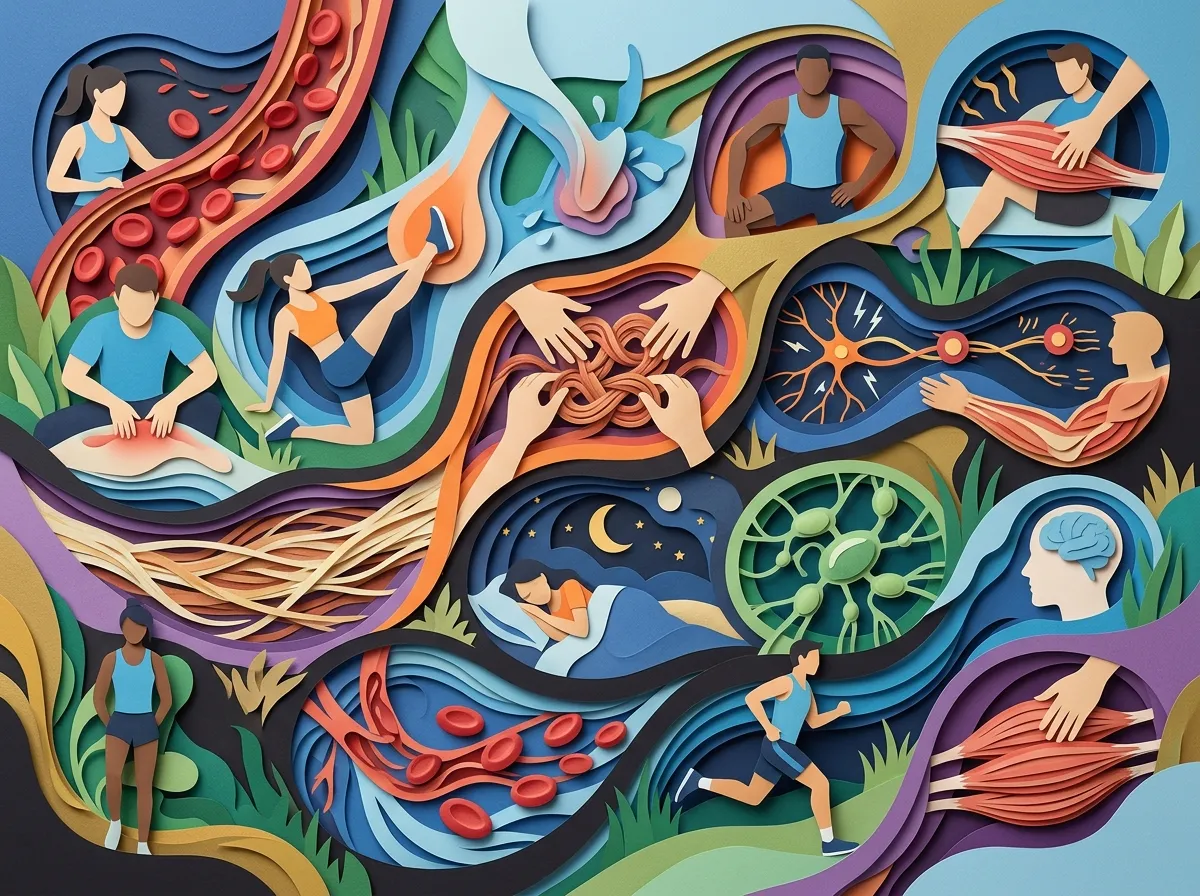
14 Ways Sports Injury Massage Speeds Up Your Recovery
1. Reduces Muscle Tension and Tightness
After an injury, surrounding muscles often tighten up to protect the area. Sports injury massage gently works through that tension, releasing tight muscle fibers and restoring a more natural resting state. This alone can bring significant pain relief.
2. Improves Blood Circulation to Injured Tissues
Injured soft tissues need oxygen and nutrients to heal. Massage increases local blood flow, delivering those healing resources directly to damaged areas. Better circulation means faster tissue repair and less downtime.
3. Reduces Swelling and Inflammation
Gentle massage techniques can help move excess fluid away from an injured area, reducing swelling. This is especially helpful in the days following a soft tissue injury like a sprain or strain. Learn more about how massage can help with pain and swelling.
4. Breaks Down Scar Tissue
Injuries can leave behind scar tissue that restricts movement and causes long-term stiffness. Deep friction massage techniques help break down that scar tissue over time, restoring smoother movement in the affected area.
5. Increases Flexibility and Range of Motion
Stiffness is one of the most common complaints after a sports injury. Regular sports injury massage stretches and lengthens muscle fibers, helping you regain full range of motion more quickly than rest alone.
6. Targets Trigger Points for Pain Relief
Trigger points — tight knots within the muscle — are extremely common after injury. Targeted pressure on these points releases the tension and reduces referred pain. Check out more about trigger point massage for muscle knots and pain.
7. Supports the Body’s Natural Healing Process
Massage stimulates the lymphatic system, which plays a key role in clearing waste products from damaged tissues. Supporting this natural process helps your body do what it already wants to do — heal itself.
8. Eases Pain Without Medication
Research indicates that massage has a meaningful effect on pain, including chronic low back pain — one of the most common injuries among active adults. It’s a drug-free option that can reduce your reliance on over-the-counter pain medications. See how massage for pain relief compares to medication.
9. Reduces Stress and Anxiety Around Injury
Let’s be honest — being injured is stressful. There’s physical pain, plus the mental weight of missing training, falling behind, or worrying about reinjury. Sports injury massage activates the parasympathetic nervous system, reducing stress hormones and promoting a calmer state of mind.
10. Improves Sleep Quality
Pain disrupts sleep, and poor sleep slows healing. Massage helps your body relax deeply, making it easier to fall asleep and stay asleep through the night. Quality sleep is when the real tissue repair happens. Read more about the relaxation and sleep benefits of massage.
11. Complements Physical Therapy and Rehab
The strongest evidence for massage in sports injury recovery points to its use as part of a broader rehabilitation program, combined with exercise and medical care. It isn’t a standalone cure, but as a complement to your rehab plan, it’s incredibly effective.
12. Helps Prevent Re-Injury
By restoring flexibility, reducing residual tension, and improving tissue health, sports injury massage lowers the risk of the same injury happening again. Prevention is always better than another round of recovery. Explore how sports massage benefits every athlete.
13. Works for a Wide Range of Injuries
Sports injury massage is not limited to one type of problem. It can be adapted to support recovery from muscle strains, ligament sprains, tendonitis, overuse injuries, and post-surgical soft tissue healing. A skilled therapist tailors every session to your specific needs.
14. Boosts Overall Athletic Performance Long-Term
Regular sports injury massage doesn’t just fix problems — it builds resilience. Athletes who incorporate massage into their routine often notice improvements in performance, faster recovery between training sessions, and a lower rate of soft tissue problems over time. See more about the sports massage benefits that transform athletic recovery.
Common Injuries Sports Massage Can Help With
| Injury Type | How Sports Massage Helps | Recommended Technique |
|---|---|---|
| Muscle Strain | Reduces tension, improves blood flow, speeds healing | Deep tissue, compression |
| Ligament Sprain | Reduces swelling, improves mobility around the joint | Gentle effleurage, lymphatic drainage |
| Tendonitis | Breaks down adhesions, reduces inflammation | Friction massage, trigger point |
| Overuse Injuries | Releases chronic tightness, prevents worsening | Myofascial release, stretching |
| Post-Surgery Recovery | Reduces swelling, supports scar tissue remodeling | Gentle soft tissue work |
For overuse and chronic soft tissue problems, pairing sports massage with add-ons like cupping therapy or Gua Sha can further enhance results. At Luna Massage Studio, both are available as add-ons to any massage session.
Sports Massage vs. Deep Tissue Massage: What’s the Difference?
A common question we hear is: “What’s the difference between sports massage and deep tissue massage?” Here’s a quick breakdown to clear things up.
| Feature | Sports Injury Massage | Deep Tissue Massage |
|---|---|---|
| Primary Goal | Injury recovery, performance, prevention | Chronic tension, deep muscle pain relief |
| Techniques Used | Stretching, compression, friction, trigger points | Slow, firm strokes targeting deeper layers |
| Best For | Athletes, active adults, post-injury recovery | Anyone with chronic pain or deep muscle knots |
| Timing | Pre-event, post-event, during recovery | Anytime, especially for long-term tension |
Both are powerful tools. Sometimes the best approach combines elements of both. Read our guide on which massage type wins for tension relief to learn more.
When Should You NOT Get a Massage After a Sports Injury?
Sports injury massage is incredibly helpful — but timing matters. Here are situations when you should hold off:
- Acute injury stage (first 24-72 hours): Deep massage on a freshly injured area can worsen inflammation. Rest and ice first.
- Open wounds or broken skin: Never massage over an open wound or fresh abrasion.
- Suspected fractures or broken bones: Get medical clearance before any massage work near a fracture site.
- Severe inflammation or infection: If an area is hot, red, and swollen with signs of infection, see a doctor first.
- Blood clot risk: If you’ve been told you have a blood clot or are at high risk, consult your physician before booking.
Always communicate openly with your therapist about your injury history and any medical advice you’ve received. A good therapist will adapt the session accordingly. You can also check what a licensed massage therapist can do for you before your visit.
How Often Should Athletes Get Sports Injury Massage?
Frequency depends on where you are in your recovery. Here’s a simple guide:
- Active injury recovery phase: 1-2 sessions per week, working gently around the injured area as cleared by your medical provider.
- Mid-recovery phase: 1 session per week as you start to regain mobility and strength.
- Maintenance and prevention phase: Every 2-4 weeks to keep muscles supple, reduce overuse strain, and prevent future injury.
Consistency is key. Think of sports injury massage the same way you think about physical therapy exercises — skipping sessions slows your progress.
Sports Injury Massage Pricing at Luna Massage Studio
At Luna Massage Studio in Falls Church, VA, sport massage is offered at clear, transparent pricing. Here’s what to expect:
| Session Length | Price | Best For |
|---|---|---|
| 60 Minutes | $125 | Focused area recovery, maintenance sessions |
| 75 Minutes | $145 | More thorough work on multiple affected areas |
| 90 Minutes | $165 | Full-body recovery or complex injury support |
You can also enhance any session with a Gua Sha or cupping add-on for just $35 each. Aromatherapy is always free — just ask! Check out our client reviews to hear directly from athletes and active adults who’ve experienced the results firsthand. You can also visit us on Google — Luna Massage Studio to read more feedback and find us easily.
Tips for Getting the Most from Your Sports Injury Massage
- Communicate clearly: Tell your therapist exactly where it hurts, what your injury is, and what your doctor has recommended.
- Hydrate well: Drink plenty of water before and after your session to support circulation and tissue recovery.
- Don’t rush back to training: Give your body time to integrate the work from each session before pushing hard again.
- Combine with other care: Pair massage with stretching, physical therapy, and proper rest for best results.
- Book consistently: One session is helpful; a series of sessions is transformative.
For more insider advice, browse the sports massage therapy benefits, techniques, and what to expect guide. You can also explore the benefits of sports massage for muscle pain in more detail.
If you’re curious about the broader world of therapeutic massage options, the guide to massage therapy services and which one is right for you is a great starting point. You can also follow Luna Massage Studio on Instagram for wellness tips, promotions, and recovery inspiration.
For community reviews and recommendations, check out Luna Massage Studio on Yelp to see what local athletes and active adults are saying about their experience.
Conclusion
Sports injury massage is one of the most effective tools in any active person’s recovery toolkit. From reducing pain and swelling to improving flexibility, breaking down scar tissue, and preventing re-injury, the benefits are both real and wide-ranging. The key is working with a skilled, licensed massage therapist who understands your body and tailors the approach to your specific needs.
You don’t have to be a professional athlete to deserve expert care. Whether you’re recovering from a sprained ankle, managing tendonitis, or just pushing through the aches and pains of an active lifestyle, sports injury massage can help you feel better and move better — faster.
Ready to start your recovery journey? Book your sports massage session today and take the first step toward feeling like yourself again. If you have questions or want to discuss your specific situation, feel free to reach out to the Luna Massage Studio team — we’re here to help.
FAQs
Q: What is sports injury massage and who is it for?
A: Sports injury massage is a specialized form of massage therapy designed to support recovery from athletic and overuse injuries. It’s not just for elite athletes — anyone who’s active, from gym-goers to weekend runners, can benefit from this targeted, hands-on approach to healing.
Q: How soon after a sports injury can I get a massage?
A: It’s best to wait at least 72 hours after an acute injury before receiving massage directly on the affected area. During that initial window, rest, ice, and medical evaluation are the priority. Once the acute phase passes, massage can be a wonderful addition to your recovery plan — just let your therapist know exactly what happened so they can tailor the session safely.
Q: Is sports injury massage good for sprains, strains, and tendonitis?
A: Yes! Sports injury massage can be adapted to help with muscle strains, ligament sprains, tendonitis, and other soft tissue problems. Your therapist will select techniques that match your specific injury stage and goals, helping reduce pain, improve flexibility, and support healing.
Q: What is the difference between sports massage and deep tissue massage?
A: Sports massage focuses specifically on athletic performance, injury recovery, and prevention, using techniques like stretching, compression, and trigger point work. Deep tissue massage targets chronic muscle tension and deeper layers of soft tissue using slow, firm pressure. Both are effective, and they often complement each other beautifully!
Q: Can sports injury massage actually prevent future injuries?
A: Absolutely — and this is one of the most exciting benefits! Regular sports injury massage keeps muscles supple, reduces overuse tension, and helps the body move more efficiently. Many athletes use it as a preventative tool, scheduling regular sessions even when they’re feeling good, to stay that way.
Our Service Area