Key Takeaways
-
The research is mixed: a 2024 meta-analysis of 824 adults found reduced anxiety after Reiki, but the NCCIH says Reiki has not been clearly shown effective for any health purpose.
-
Reiki is best viewed as an optional, relaxation-focused experience rather than a treatment for anxiety or stress.
-
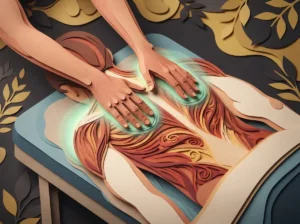
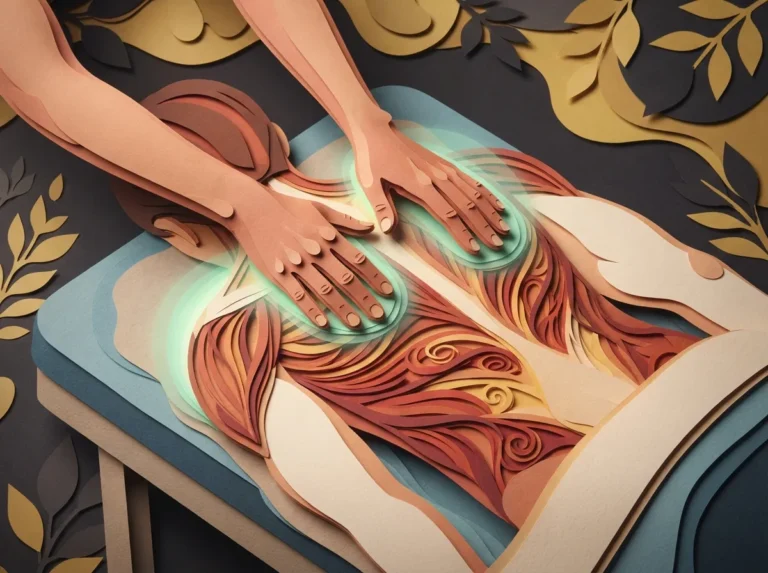
Reiki uses very light touch or hands held just above the body, unlike massage, which works muscles and soft tissue with pressure.
-
Reiki is not a replacement for therapy, medication, or medical care; seek a doctor or licensed mental-health professional for persistent worry, panic attacks, or sleep problems.
-
If you are in crisis in the United States, call or text 988 to reach the Suicide and Crisis Lifeline.
-
Start with one session to see how you feel, and always tell your practitioner your comfort preferences and consent to any touch.
Feeling wound up, worried, or just plain worn out? You are far from alone. Many of us carry stress in our shoulders, our jaws, and our racing thoughts. So it makes sense to wonder, can Reiki healing help with anxiety and stress? Maybe you have seen it offered at a massage studio and felt curious.
Here is the short, honest answer. Some people find a Reiki session deeply relaxing, and some research points to lower anxiety afterward. But the science is not settled, and Reiki is not a proven treatment for any health condition. Think of it as a gentle, optional way to rest and reset.
In this guide, we will walk through what Reiki is, what studies say, and what a session feels like. We will also cover who might enjoy it, and when it is smart to seek other care. Whether you are a busy professional, an expecting mom, an athlete, or a senior, you will find helpful, down-to-earth answers here.
What Is Reiki Healing?
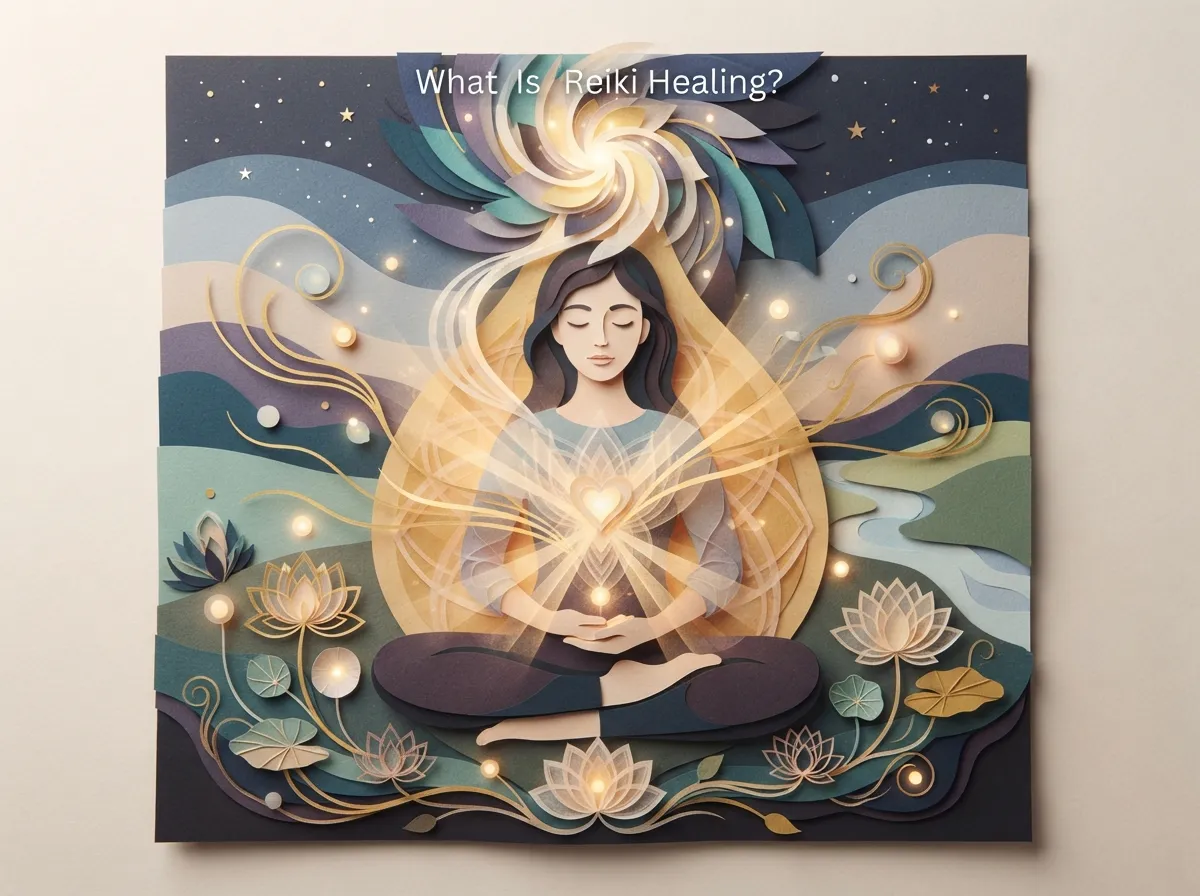
Reiki is a complementary practice that began in Japan in the late 1800s. It was developed by Mikao Usui. In a session, the practitioner places their hands lightly on your body or just above it. Traditional teaching says this shares “life force energy.” Reiki practitioners believe that when this energy runs low, we may feel stressed or unwell. When it runs high, we feel healthier and happier.
It helps to be clear about one thing. This energy field is the traditional explanation for Reiki. The U.S. National Center for Complementary and Integrative Health (NCCIH) reports no scientific evidence that such an energy field exists. So we can respect the tradition while being honest about what science has and has not shown. You can read a general overview on Reiki healing for background.
If you would like a deeper look at the practice itself, see our guide on what Reiki healing is and how it actually works.
Is Reiki the Same as Massage?
No, and this is a common mix-up. Massage uses hands-on techniques to work the muscles and soft tissue. Reiki uses very light touch, or no touch at all, with no kneading or pressure. Many people enjoy both, and each offers a different kind of rest. For a side-by-side look, check out how Reiki healing differs from massage therapy.

What Does the Research Say About Reiki and Anxiety?
This is where it gets interesting. Some studies do report lower anxiety after Reiki. But the full picture is mixed, so let us look at it fairly.
The Encouraging Findings
A 2024 meta-analysis looked at studies covering 824 adults. It found a statistically significant drop in anxiety, with a pooled effect size of SMD −0.82 (95% CI −1.29 to −0.36; p=0.001). In plain terms, the group that received Reiki tended to report less anxiety than comparison groups.
A small 2024 study of 16 nursing students also found lower scores after Reiki. Stress scores went from 27.75 to 22.81, and anxiety scores went from 19.06 to 11.31. That is a nice result to see.
The Reasons for Caution
Now for the honest part. Both of those findings come with limits. The meta-analysis pulled together studies with different people, settings, and session plans. The authors noted that results varied by group and by how often people had sessions. The nursing-student study was very small, with only 16 people, so we cannot apply it broadly.
The NCCIH states that Reiki has not been clearly shown to work for any health-related purpose. It also notes that much of the research is low quality and the results are inconsistent. So the fair takeaway is this: some people report feeling calmer, but the evidence does not prove Reiki treats anxiety.
| Research Source | What It Found | Important Limit |
|---|---|---|
| 2024 meta-analysis (824 adults) | Significant drop in anxiety (SMD −0.82) | Mixed populations, settings, and session plans |
| 2024 nursing-student study (16 people) | Lower stress and anxiety scores | Very small, quasi-experimental design |
| NCCIH overview | Not clearly shown effective for any health purpose | Notes low-quality, inconsistent research |
If you want an even-handed look at this question, read our piece on Reiki versus placebo.
Why Might a Reiki Session Feel Calming?
Even though the science is still growing, many clients say they leave a session feeling lighter. There are simple, down-to-earth reasons that could be part of the story. We cannot say for sure that Reiki itself is the cause, but the setting plays a real role.
- A quiet space: Dim lights, soft sound, and no phone. That alone can feel like a gift.
- Permission to rest: For one hour, there is nothing to fix or finish.
- Slow, steady breathing: Most people naturally breathe deeper when they lie still.
- Caring attention: Feeling supported by a calm practitioner can ease tension.
These are lovely experiences, but they are not a guaranteed result. Some people feel deeply relaxed. Others feel a little sleepy, and some feel nothing in particular. All of that is normal.
What Happens in a Reiki Session?
If you have never tried it, a session is simple and gentle. Here is a typical flow at a massage studio:
- A short chat. Your practitioner asks how you are feeling and what you hope for. This is the time to share any comfort needs.
- Consent and boundaries. A good practitioner explains whether touch will be used. You can say yes, no, or “just hover.” Your comfort comes first.
- You rest fully clothed. You lie comfortably, usually on a massage table.
- The hands-on or hands-near portion. The practitioner places their hands lightly on or just above different areas of your body.
- A quiet wrap-up. You take a moment to come back slowly, then drink some water and share how you feel.
At Luna Massage Studio, Reiki Healing is offered as a flat-rate session. You can learn more on our Reiki Healing page, or explore what to expect in a Reiki massage session before you book.
Who Might Enjoy Reiki for Stress Relief?
Reiki is a gentle option, which makes it easy to try. Here is how it might fit different lifestyles. None of this is a promise of results, just ideas to consider.
Busy Professionals
If your days are packed with meetings and deadlines, an hour of quiet can feel rare. Some people use a Reiki session as a pause button after a long week. Evening and weekend slots can make it easier to fit in.
Expecting Mothers
Pregnancy brings joy and a lot of worry, too. Some moms like the gentle, low-pressure feel of Reiki. If you are pregnant, always check with your doctor or midwife first. You may also want to explore prenatal massage for comfort with aches and tension.
Athletes and Active Adults
Training is hard on the body and the mind. Reiki does not work the muscles, so if your goal is to ease tight, sore tissue, a sport massage or deep tissue massage may fit better. Some athletes enjoy Reiki on rest days as a quiet reset.
Seniors With Chronic Pain
If joints are stiff or touch feels tender, Reiki’s light approach may feel comfortable. It does not treat pain, but the calm setting can be soothing. For physical aches, you might compare it with the benefits in our guide to massage for chronic pain.
Wellness-Focused Individuals
If you love building self-care habits, Reiki can sit nicely next to massage, good sleep, movement, and time outdoors. Many people treat it as one small piece of a bigger wellness routine.
Reiki vs. Massage for Stress: Which Should You Pick?
Both can feel relaxing, but they work in different ways. Here is a quick comparison to help you decide.
| Feature | Reiki Healing | Massage Therapy |
|---|---|---|
| Touch style | Light touch or hands just above the body | Hands-on work on muscles and soft tissue |
| Best for | Quiet rest and a calm reset | Muscle tension, soreness, and relaxation |
| Pressure | None to very light | Light to deep, your choice |
| Studio price at Luna | $125 flat rate | $125 (60 min), $145 (75 min), $165 (90 min) |
If your stress shows up as tight shoulders and a stiff neck, massage may feel more helpful. Our guide on Reiki healing versus massage goes deeper. A Swedish massage is a classic choice for easing stress. You can also add a free aromatherapy touch to any massage on request.
Is Reiki Safe?
The NCCIH reports that Reiki has not been shown to have harmful effects. Still, good practice matters. A caring practitioner should:
- Ask for your consent before any touch
- Explain whether they will use touch or hover their hands
- Respect your boundaries at every step
- Avoid claiming that Reiki diagnoses or cures anything
- Never suggest it replaces medical or mental-health care
For more on this, see our article on how to tell if Reiki is safe for you.
When Reiki Is Not Enough
This part matters, so let us say it plainly and kindly. Reiki is a relaxation-focused extra. It is not a replacement for therapy, medication, or medical care.
Please reach out to a doctor or licensed mental-health professional if you notice any of these:
- Worry that will not go away, or keeps getting worse
- Panic attacks or a racing heart
- Trouble sleeping, eating, or getting through your day
- Feeling hopeless, or having thoughts of harming yourself
If you are in crisis in the United States, you can call or text 988 to reach the Suicide and Crisis Lifeline. Getting help is a sign of strength. Reiki can sit alongside proper care, but it should never stand in for it. Our article on whether Reiki can replace medical treatment explains this further.
Tips for Getting the Most From Your Session
- Set a gentle goal. Aim for rest, not a cure. That takes the pressure off.
- Share your preferences. Tell your practitioner if you prefer no touch, or if certain areas feel sensitive.
- Arrive a few minutes early. Rushing in can undo the calm before it starts.
- Turn off your phone. Give yourself a true break.
- Drink water afterward. It is a simple, kind thing to do for your body.
- Notice how you feel. Jot down your mood before and after to see what works for you.
How Many Sessions Should You Try?
There is no proven “right” number. Research on session frequency is mixed. Many people start with one session to see how it feels. If you enjoy it, you can book again when life gets hectic. Let your own experience guide you.
Combining Reiki With Massage
Many clients like to pair the two across visits. You might book a massage when your muscles feel tight and a Reiki session when your mind feels busy. If you want add-ons for your massage, Luna also offers Gua Sha and cupping for 15 minutes each at $35. You can also read massage for stress relief ideas on our blog, or browse our guide to anxiety relief through massage.
Choosing a Reiki Practitioner You Can Trust
A good fit makes all the difference. When you are looking, keep these points in mind:
- They explain what to expect and ask for your consent
- They do not make big health claims or promise cures
- They welcome your questions with patience
- They offer a clean, calm, private space
- They have good reviews from real clients
You can see what neighbors say about Luna Massage Studio by reading our reviews, checking us out on Yelp, or following along on Instagram. You can also visit us on Google — Luna Massage Studio to see what our Falls Church clients share.
The Bottom Line
So, can Reiki healing help with anxiety and stress? For some people, a Reiki session offers a calm, quiet hour that feels wonderful. Some studies, including a 2024 meta-analysis, report lower anxiety afterward. But the research is mixed, the quality varies, and Reiki has not been clearly proven to treat any health condition.
The kindest way to see it is as an optional, relaxation-focused treat, not a treatment. Pair it with good sleep, movement, and support from a qualified health professional if anxiety is getting in the way of your life.
Ready to give yourself a little calm? Curious to try Reiki or a relaxing massage in Falls Church? Book your session today, or contact our team with any questions. We would love to help you find the right fit.
FAQs
Q: Can Reiki healing help with anxiety and stress?
A: Some people find a Reiki session calming, and a 2024 meta-analysis of 824 adults reported lower anxiety. But the research is mixed, and the NCCIH says Reiki has not been clearly shown effective for any health purpose. It is best seen as an optional relaxation extra.
Q: Is Reiki the same as massage therapy?
A: Not quite! Massage uses hands-on techniques to work muscles and soft tissue. Reiki uses very light touch, or hands just above the body, with no kneading or pressure. Many folks enjoy both for different kinds of rest.
Q: Is Reiki safe, and does it involve touch?
A: The NCCIH reports Reiki has not been shown to have harmful effects. Touch is usually very light, and it can often be done with no touch at all. A caring practitioner will always ask for your consent and respect your boundaries.
Q: Can Reiki replace therapy or medication for anxiety?
A: No, and we want to be really clear about that. Reiki is a gentle, optional complement, not a replacement for therapy, medication, or medical care. If anxiety is lasting, severe, or getting in the way of daily life, please reach out to a qualified health professional.
Q: How many Reiki sessions should I try for relaxation?
A: There is no proven magic number, and research on session frequency is mixed. Many people start with one session to see how it feels, then book again when life gets busy. Let your own experience be your guide.
Our Service Area