Key Takeaways
-
Reiki is typically done fully clothed, so wear loose, soft, comfortable layers and skip tight waistbands, bulky belts, and heavy jewelry.
-
Ask when booking whether the session is hands-on, hands-off, or both, and confirm the length, format, and cost so you know what to expect.
-
Tell your practitioner about pregnancy, recent surgery, pain, mobility limits, touch sensitivities, or any area you don't want touched.
-
Eat a light meal, stay hydrated without overdoing it, arrive 5 to 10 minutes early, and silence your phone to settle in calmly.
-
Reiki is a complementary relaxation practice, not a substitute for medical care or massage; research has not clearly shown it treats health conditions.
Booking your first Reiki session is a lovely step toward slowing down. But if you have never tried it, a few questions probably popped up right away. What do I wear? Will I be touched? What if I feel silly or nervous? Good news: you do not need to do anything fancy. So, how should I prepare for my first Reiki session? The short answer is to dress comfortably, know what to expect, and speak up about your preferences.
Maybe you are a busy professional who needs a quiet hour after a long week. Maybe you are expecting and want a gentle, calming option. Maybe you are an athlete, a senior with stiff joints, or a wellness fan who loves trying new self-care tools. Whoever you are, this guide will help you walk in feeling relaxed and ready.
At Luna Massage Studio in Falls Church, VA, we love helping first-timers feel at ease. Here is everything you need to know, in plain and friendly terms.
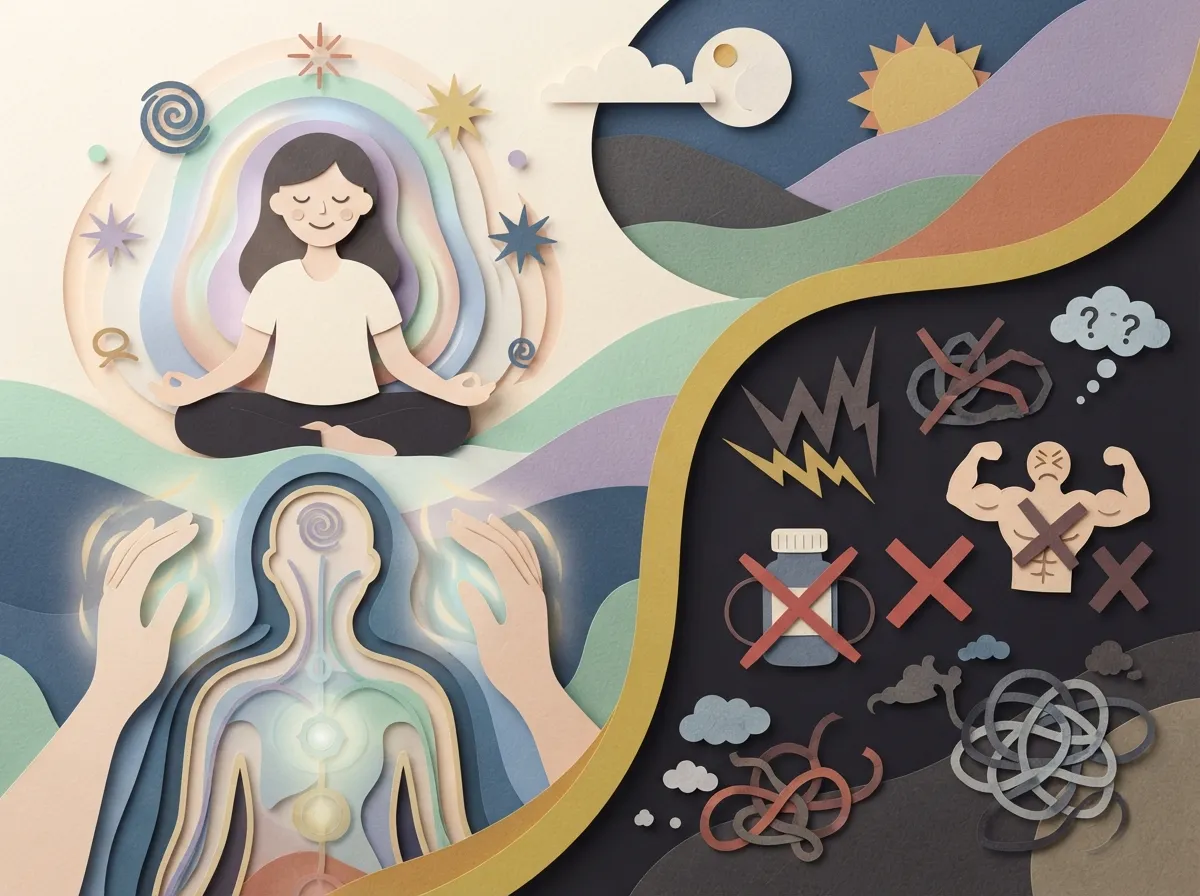
First, What Is Reiki (and What Is It Not)?
Reiki is a gentle, complementary practice. It began in Japan in the late 1800s and was developed by Mikao Usui. The practitioner places their hands lightly on or just above your body. The idea behind it is that a “life force energy” flows through us. You can read more about the background in this overview of Reiki healing.
Here is the big difference from massage. Reiki does not usually involve pressing or kneading muscles. There is no deep pressure. Think of it as quiet, light-touch (or hands-off) relaxation time. If you want to dig deeper into the contrast, our guide on how Reiki healing differs from massage therapy is a great next read.
It is also worth being honest about the science. The National Center for Complementary and Integrative Health (NCCIH) says research has not clearly shown that Reiki works for any health-related purpose. It also notes that studies have been limited and mixed, and that there is no scientific evidence for the energy field used to explain Reiki. Many people still find it deeply calming. So think of it as a relaxing extra, not a replacement for medical care. You can learn more in our piece on whether Reiki can replace medical treatment.

Before You Book: Questions to Ask
A little planning goes a long way. A few quick questions when you book will set you up for a smooth visit. Here is a short list to try:
- Is the session hands-on, hands-off, or both? Practitioners differ, so ask.
- How long is the appointment? Some consumer health sources cite a common range of 60 to 90 minutes, but it varies. Our guide on how long a typical Reiki session lasts explains more.
- Is this pure Reiki or a combined Reiki and massage service? A combined session may feel different, so confirm the format.
- What is the cost? At Luna Massage Studio, Reiki Healing is a flat $125.
- Do you have any accessibility needs? Mention stairs, mobility, or seating needs ahead of time.
Want more ideas? Our list of 10 questions to ask a Reiki healer before you book covers even more ground.
What to Wear to Your First Reiki Session
Here is the easy part. Reiki is typically done fully clothed. You do not need to undress. Comfort is the only rule.
Clothing Tips
- Choose loose, soft clothing. Think yoga pants, a cozy sweater, or a relaxed tee.
- Wear layers. Rooms can feel warm or cool, and your body temperature can shift as you relax.
- Skip tight waistbands and bulky belts. They can dig in when you lie down.
- Leave heavy jewelry at home. Lying on a table is more pleasant without it.
- Bring warm socks. Cold feet can pull you out of a calm state.
For more detail, see our guide on what to wear to a Reiki healing appointment.
Simple Prep Steps for the Day of Your Session
You do not need a special diet or a long routine. A few easy habits can help you settle in faster. Try these steps:
- Eat a light meal beforehand. Lying down hungry or overly full can be distracting.
- Sip water, but do not overdo it. Stay hydrated, then use the restroom right before you start.
- Arrive a few minutes early. There may be an intake form and a short chat about your goals.
- Silence your phone. Even a buzz can break the mood.
- Take a few slow breaths in the car or waiting area. Let your shoulders drop.
That is truly it. No special skills are required. You just show up as you are.
What to Tell Your Practitioner
Speaking up is one of the best ways to prepare. You do not need to share your life story. Just share what affects your comfort. Helpful things to mention include:
- Pregnancy or recent surgery
- Pain, stiffness, or mobility limits
- Trouble lying on your back or stomach
- Breathing concerns
- Sensitivity to touch or sound
- Any area you do not want touched
You can ask for no touch at all. You can ask the practitioner to explain each hand placement. You can also change your mind mid-session. A good practitioner will respect your boundaries every time. They should never promise a cure or tell you to skip medical care.
NCCIH reports that Reiki has not been shown to have harmful effects. Still, if you feel uneasy at any point, say so. Our post on how to tell if Reiki is safe for you offers more peace of mind.
What Happens During the Session
Knowing the flow can melt away first-time nerves. Every practitioner is a little different. Still, a typical visit often looks like this:
- A brief chat. You share your goals and any comfort needs.
- Getting settled. You lie on a table, fully clothed, or sit comfortably. A pillow or bolster may support your knees.
- The hands-on or hands-off work. The practitioner places their hands lightly on or just above different areas. It is quiet and gentle.
- Rest and integration. You may lie still for a moment at the end.
- A short check-in. You can share how you feel and ask questions.
People describe the experience in many ways. Some feel warm or tingly. Some feel sleepy. Others feel nothing special but enjoy the stillness. All of those are normal. Our guides on what Reiki feels like during a session and 12 things to expect at your first Reiki session go into more detail.
Quick Prep Checklist Table
| Prep Area | What to Do | Why It Helps |
|---|---|---|
| Clothing | Loose, soft layers | Keeps you comfortable on the table |
| Food and water | Light meal, steady sips of water | Prevents hunger or fullness distractions |
| Timing | Arrive 5 to 10 minutes early | Leaves time for forms and a calm start |
| Communication | Share touch preferences and comfort needs | Helps you feel safe and respected |
| Mindset | Come curious with no pressure | Lets you relax without “trying” to feel anything |
| Phone | Silence it | Protects your quiet time |
Tips for Different Types of Clients
Reiki is gentle enough for most people. Still, a few small tweaks can make your visit even better.
Busy Professionals
If your schedule is packed, book an evening or weekend slot. Leave a little buffer after work so you are not rushing in. Try not to check email right before. Even five minutes of quiet in the car makes a difference.
Expectant Mothers
Tell your practitioner how far along you are. Ask for comfortable positioning, such as side-lying or a semi-reclined position with pillows. Because Reiki is light and gentle, it can feel soothing during pregnancy. Always check with your doctor or midwife first. If you are also curious about massage, see prenatal massage positions and what to expect.
Athletes and Active Adults
If you are used to deep pressure, Reiki will feel very different. It is not a muscle-work session. Many athletes pair a Reiki visit with a sport massage on a separate day for a full recovery routine.
Seniors With Chronic Pain
Share any joint pain, arthritis, or trouble lying flat. Ask about seated options or extra pillows. The light touch can be easy on sore areas. Keep in mind that it is a relaxing complement, not a treatment for pain conditions. For hands-on pain support, you might explore chronic pain massage alongside your doctor’s guidance.
Wellness-Focused Individuals
If self-care is already part of your routine, think about how Reiki fits in. Some people book once to try it. Others return regularly. Our post on weekly vs. monthly Reiki can help you plan.
Set Your Expectations (and Let Go of Pressure)
Here is a gentle tip: do not try to “do Reiki right.” There is nothing to perform. You do not have to believe in anything. You do not have to feel a certain sensation. Just lie back and let the time be yours.
Many first-timers also wonder if one visit is enough. Results are personal, and the research is still limited. Some people enjoy a single session. Others return for ongoing relaxation. Our article on how many Reiki sessions you need breaks this down honestly.
Reiki or Massage: Which Should You Book First?
If you are unsure, that is totally fine. Many people try both. Here is a simple comparison to help you decide.
| Feature | Reiki | Massage |
|---|---|---|
| Touch style | Light touch or hands-off | Muscle manipulation and pressure |
| Clothing | Fully clothed | Undressed to comfort, with draping |
| Best for | Quiet relaxation and calm | Muscle tension, soreness, stiffness |
| Pressure level | None to very light | Light to deep, your choice |
| Evidence | Limited; not shown effective for health conditions | Well studied for relaxation and some pain relief |
If your main goal is to loosen tight muscles, a massage may be the better first step. Compare options in our guide to Reiki vs. massage. If you want both in one visit, look at our post on a Reiki and massage combo session. Our Swedish massage is a popular pairing for deep relaxation.
After Your Session: What to Do Next
Give yourself a soft landing. Try not to jump straight into a stressful meeting. Here are a few ideas for after:
- Drink a glass of water.
- Take a slow, quiet walk.
- Jot down how you feel, if you like.
- Rest if you feel sleepy.
- Follow up with your practitioner if you have questions.
If you have an ongoing health concern, keep seeing your doctor. Reiki can sit alongside your care, but it should never replace it.
Ready to Book Your First Reiki Session?
Preparing for your first Reiki session really comes down to a few simple things. Wear comfy clothes. Ask a few questions when you book. Share your comfort needs. Arrive a little early. Then let yourself relax.
We would love to welcome you to Luna Massage Studio in Falls Church. Curious what others say? You can visit our Luna Massage Studio location on Google to read reviews, or check us out on Yelp and Instagram. You can also call us at 703-254-0422 with any questions.
Ready to unwind? Book your Reiki Healing session today or get in touch with our team to chat about which service fits you best. We cannot wait to help you feel calm, cared for, and completely at ease.
FAQs
Q: What happens during a first Reiki session?
A: You will usually have a short chat about your goals, then lie fully clothed on a table while the practitioner places their hands lightly on or just above your body. It is quiet and gentle. You can speak up any time if you want to adjust anything.
Q: What should I wear to a Reiki session?
A: Wear loose, comfy clothing and consider layers so you can adjust to the room temperature. You stay fully clothed, so no need to undress. Skip tight belts and bulky jewelry for a more relaxed visit.
Q: Can I ask for a hands-off Reiki session?
A: Absolutely! You can ask for no touch, light touch, or an explanation of each hand placement before it happens. You can also change your mind during the session, and a good practitioner will happily respect that.
Q: How long does a Reiki session usually last?
A: It varies by practitioner. Some consumer health sources cite a common range of 60 to 90 minutes. Ask about the exact length when you book so you can plan your day.
Q: Is Reiki a substitute for massage or medical treatment?
A: No. Reiki is a complementary relaxation practice, and research has not clearly shown it works for health conditions. Think of it as a calming extra, and keep seeing your doctor for any medical concerns.
Our Service Area