Key Takeaways
-
NCCIH states Reiki has not been shown to have harmful effects, but research on its safety is still limited, so 'not shown to be harmful' does not mean risk-free.
-
The biggest real risk is using Reiki in place of needed medical care; it is a complementary practice, not a proven treatment or cure, so keep seeing your doctor.
-
Common mild experiences include deep relaxation, sleepiness, emotional release, and lightheadedness; sit up slowly, drink water, and rest before driving.
-
Reiki itself is light touch with no pressure, so soreness or bruising usually comes from the massage or add-on techniques like deep tissue work, cupping, or Gua Sha.
-
You can request hands-off Reiki, ask the practitioner to avoid certain areas, or pause or stop the session at any time.
-
Share your full health history, including pregnancy, surgeries, injuries, and medications, and choose a practitioner who refuses to diagnose and respects consent and boundaries.
Picture this: you’ve had a long week, your shoulders are up near your ears, and a friend tells you Reiki might help you unwind. It sounds lovely. But a little voice asks, “Wait, are there any side effects or risks with Reiki healing?” That’s a smart question, and you deserve a clear, honest answer.
Here’s the short version. Reiki is a gentle, noninvasive practice. The National Center for Complementary and Integrative Health (NCCIH) says it has not been shown to have harmful effects. But “not shown to be harmful” is not the same as “guaranteed risk-free.” Research on safety is still limited, and there are a few practical things worth knowing before you book.
In this guide, we’ll walk through what the science says, what you might actually feel, who should take extra care, and how to make sure your session is a good one. Whether you’re a busy professional, an expectant mom, an athlete, a senior, or a wellness fan, you’ll leave knowing exactly what to ask and what to expect.
What Is Reiki, and Why Does It Matter for Safety?
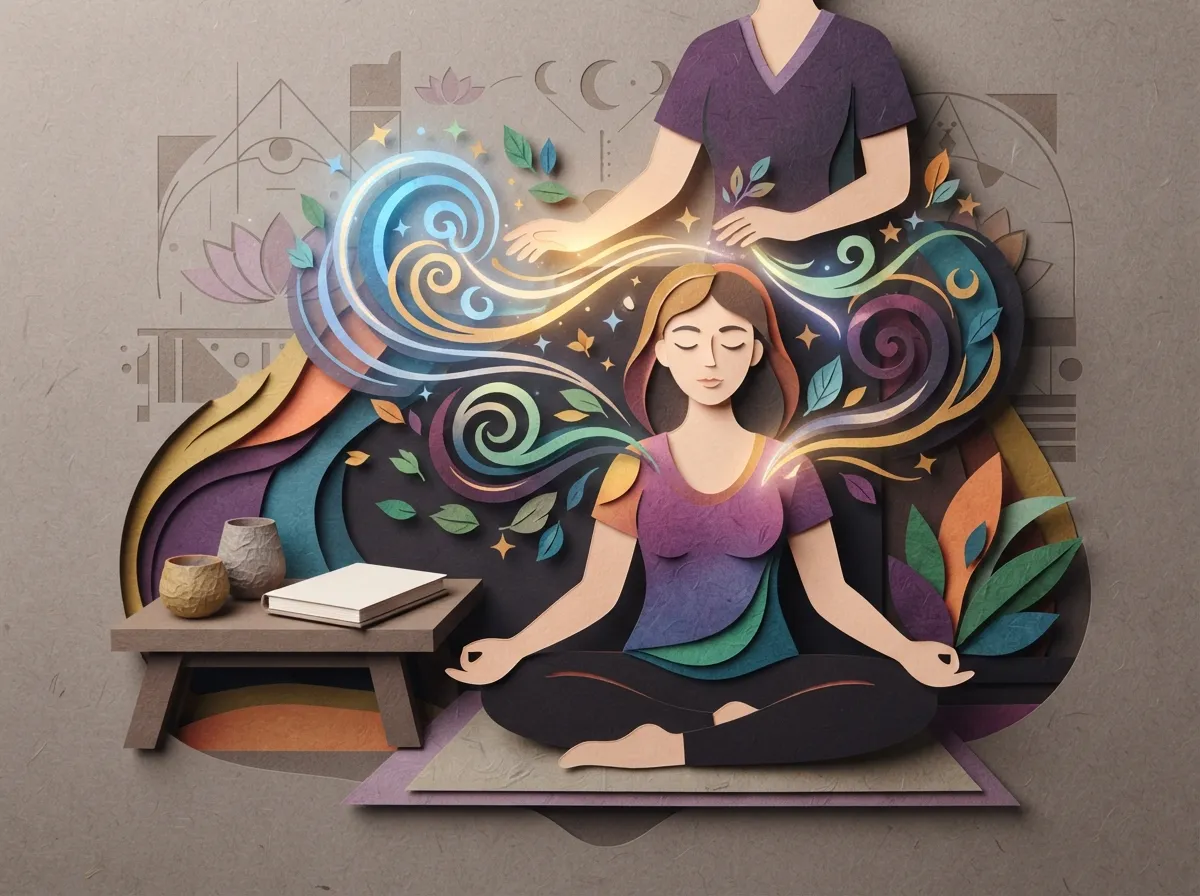
Reiki is an energy-based wellness practice that began in Japan in the late 1800s. A practitioner uses light touch, or holds their hands just above your body, with the goal of promoting relaxation and a sense of balance. There is no medication, no manipulation, and no pressure on your muscles.
That gentle style is a big part of why Reiki is considered low risk. You stay fully clothed, usually lying comfortably on a table, and the session is often quiet and calm. If you’d like a deeper primer, our post on what healing Reiki is and how it can help you covers the basics.
Because Reiki is so hands-light, most safety questions are not about the technique itself. They are about comfort, consent, and how Reiki fits into your bigger health picture.

What Does the Research Say About Reiki Safety?
Let’s look at the facts, because they matter here.
- NCCIH’s view: Reiki has not been shown to have harmful effects. The same overview also notes there is no scientific evidence supporting the proposed energy field behind Reiki.
- A 2008 systematic review of randomized Reiki trials found that none of the studies reported adverse events. The authors cautioned that safety was not the main focus and needed more research.
- A 2026 systematic review of Reiki and Therapeutic Touch in palliative settings found that only one included study explicitly monitored adverse events. That study reported one serious event considered potentially related. The reviewers stressed that limited harm reporting means a lack of reports should not be read as proof of safety.
So what’s the honest takeaway? Reiki appears to be very low risk, but the research is not strong enough to say risks are impossible. That’s why good communication with your practitioner matters so much. If you’re curious about the evidence on benefits too, take a look at our honest look at Reiki versus placebo.
Possible Side Effects and Discomforts to Know About
Reiki isn’t known to cause physical harm. Still, some people have experiences during or after a session that feel surprising. Here are the most common ones.
Emotional Reactions
A quiet, calm room can bring feelings to the surface. Some people feel teary, nostalgic, or a little raw. Others feel lighter and relieved. This isn’t a sign that something is wrong. It’s simply what can happen when your body finally slows down.
If you’re sensitive to these shifts, you might enjoy our tips for highly sensitive people during Reiki sessions.
Discomfort With Touch or Closeness
Even light touch isn’t right for everyone. Maybe you have a history that makes touch hard, or you simply feel awkward with someone’s hands hovering nearby. That’s completely okay. You can ask for hands-off Reiki, ask the practitioner to avoid certain areas, or pause at any time.
Feeling Tired, Sleepy, or Lightheaded
Some people feel very sleepy after Reiki. Others feel a bit floaty or dizzy when they sit up too fast. Take your time getting up, sip some water, and give yourself a calm moment before driving or heading back to work.
Temporary “Worse Before Better” Feelings
A few people report that symptoms feel a little more noticeable right after a session, such as a headache or achy feeling, before settling down. The evidence here is thin, so there’s no firm rule. If anything feels intense, painful, or lasts longer than you expected, check in with your practitioner and a healthcare provider.
Quick Reference: What You Might Feel
| Experience | How Common It Seems | What To Do |
|---|---|---|
| Deep relaxation or sleepiness | Common | Rest, hydrate, and move slowly |
| Emotional release or teariness | Occasional | Let it flow, and tell your practitioner |
| Discomfort with touch or closeness | Occasional | Ask for hands-off Reiki or stop the session |
| Lightheadedness after getting up | Occasional | Sit up slowly and drink water |
| Pain, marked distress, or unexpected symptoms | Uncommon | Stop the session and seek medical advice if needed |
The Biggest Risk: Skipping Medical Care
If there’s one risk worth taking seriously, this is it. The most important concern with Reiki is using it instead of needed medical care. Reiki is a complementary wellness practice. It is not a proven treatment or cure for any disease.
A good practitioner will never diagnose you, tell you to stop prescribed medicine, or suggest that Reiki replaces your doctor. If someone does, that’s a red flag. We dive deeper into this in can Reiki replace medical treatment.
Think of Reiki like a warm cup of tea after a hard day. It can feel wonderful and support your sense of calm, but it’s not a substitute for seeing a doctor when something feels off.
Reiki vs. Massage: Where the Real Physical Risks Live
Many studios, including Luna Massage Studio, offer Reiki alongside massage. That’s a lovely pairing, but it helps to know which part of your appointment carries which risks.
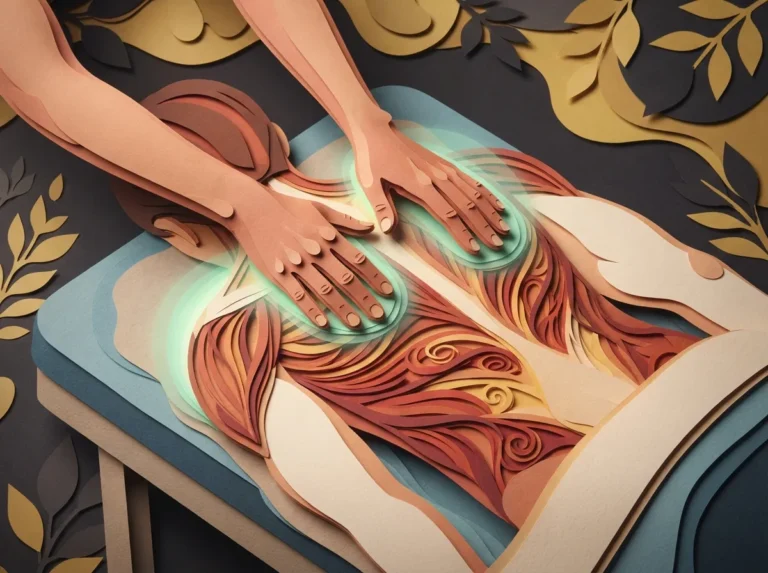
Reiki itself is light and gentle. Manual massage uses pressure, so soreness, mild bruising, or irritation of an existing injury are more tied to the massage portion. Deep tissue work, cupping, and Gua Sha can leave temporary marks or tenderness, and that depends on the techniques used and your health.
Here’s how the two compare in plain terms.
- Reiki: Light touch or hands hovering above the body, no pressure, low physical risk.
- Massage: Hands-on pressure, so soreness or bruising can happen, especially with deeper work.
- Add-ons like cupping or Gua Sha: Can cause temporary skin marks that fade in days.
Want to understand the differences better? Read how Reiki healing differs from massage therapy, or see what to expect in a Reiki massage session.
Who Should Take Extra Care?
Reiki is gentle for most people, but a little extra planning helps in certain situations. Here’s how it looks for different groups.
Busy Professionals
If you’re running on empty, a sleepy, floaty feeling after Reiki is common. Try booking an evening or weekend slot so you’re not rushing back to a big meeting or a long drive right away.
Expectant Mothers
Pregnancy is a time to check in with your OB or midwife before any new wellness practice. Reiki’s light touch is often a comfortable fit, but your provider knows your history best. If you’re also considering massage, read about who should not get a prenatal massage right now and prenatal versus regular massage.
Athletes and Active Adults
If you’re nursing an injury, tell your practitioner. Reiki won’t strain a sore muscle, but you’ll want to be clear about which areas hurt so any massage work in the same visit is planned safely.
Seniors With Chronic Pain
Reiki can be a soothing, low-effort option for stiff or achy days. Keep your doctor in the loop, especially if you take medication or manage conditions like arthritis. Reiki should sit alongside your care plan, never replace it.
Wellness-Focused Individuals
If Reiki is part of your regular self-care routine, stay curious and keep communicating. Your needs can change over time, so a quick check-in at the start of each visit keeps things on track.
How to Make Your Reiki Session Safe and Comfortable
A little preparation goes a long way. Follow these steps for a smooth, worry-free session.
- Share your health story. Mention recent surgeries, injuries, pregnancy, or health conditions, and anything that worries you.
- Talk about touch. Say whether you prefer light touch, hands hovering above the body, or no touch at all.
- Ask what the session includes. Make sure you know when Reiki ends and when any massage or add-on work begins.
- Speak up during the session. You can pause, change position, or stop anytime. A caring practitioner will check in with you.
- Go slow afterward. Sit up gently, drink water, and give yourself a few quiet minutes before you leave.
- Follow up if needed. If you feel pain, dizziness, strong distress, or anything unexpected, stop and seek medical advice when appropriate.
Not sure how to prepare? Our guide on how to prepare for your first Reiki session walks you through it, and you can also review what to wear to a Reiki appointment.
How to Choose a Qualified Practitioner
Good safety starts with a good practitioner. Reiki training alone does not equal a massage license, and it doesn’t allow anyone to diagnose conditions. Here’s what to look for.
- A clear explanation of what your session will include
- Respect for consent, boundaries, and your right to say no
- Honest language, with no promises of cures and no medical diagnoses
- A willingness to refer you to a doctor for medical concerns
- Proper licensing for any massage services, following local rules
For a handy checklist, see our 10 questions to ask a Reiki healer before you book. If you’re comparing providers, our post on how to tell if Reiki is safe for you adds even more detail. You can also read general background on Reiki healing to learn about its history.
Reiki at Luna Massage Studio
At Luna Massage Studio in Falls Church, VA, we offer Reiki healing as a calm, gentle experience, and we always put your comfort first. We talk through your goals and any concerns before you begin, and you’re free to adjust or stop at any time. We treat Reiki as a complement to your healthcare, never a replacement for it.
Curious how clients feel about their visits? You can visit us on Google — Luna Massage Studio to read reviews from our Falls Church community, or follow along on Instagram for studio updates.
Final Thoughts: Is Reiki Worth Trying?
For most people, Reiki is a gentle, low-risk way to slow down and breathe. There’s no strong evidence of harm, but research on safety is still limited. That means the best approach is simple: stay informed, speak up about your needs, choose a thoughtful practitioner, and keep seeing your doctor for medical concerns.
If you’re ready to try a calming session, we’d love to meet you. Book your Reiki session today, or contact our team with any questions first. We’re happy to help you feel comfortable every step of the way.
FAQs
Q: Does Reiki have any side effects?
A: Reiki is gentle and has not been shown to have harmful effects, according to the NCCIH. Some people feel sleepy, emotional, or a little lightheaded afterward, and that usually passes quickly. If anything feels painful or unusual, stop and check in with your practitioner and a healthcare provider.
Q: Is Reiki safe when combined with massage therapy?
A: Yes, many people enjoy the pairing! Just remember that Reiki is the light-touch part, while any soreness or bruising usually comes from the massage pressure. Tell your therapist about injuries or health conditions so the whole session fits you.
Q: Can Reiki replace medical treatment or medication?
A: No, and this is the biggest risk to keep in mind. Reiki is a complementary wellness practice, not a proven treatment or cure. Please keep seeing your doctor and never stop prescribed care because of Reiki.
Q: Can I ask a Reiki practitioner not to touch me?
A: Absolutely. You can request hands-off Reiki, where the practitioner holds their hands just above your body, or skip certain areas altogether. You can also pause or end the session whenever you like.
Q: What should I do if I feel unwell during a Reiki session?
A: Speak up right away and let your practitioner know. If you feel pain, dizziness, strong distress, or other unexpected symptoms, stop the session and seek medical advice when needed. Your comfort always comes first.
Our Service Area